💡 Tip from experience: Choosing among the three transport modes isn’t just about freight costs. Many customers overlook a key factor: inventory turnover. For example, sea freight has lower costs but longer transit times, meaning you may need 10-15 extra days of safety stock. When calculating total costs, add up "transport costs + inventory costs." We often help clients with this kind of comprehensive cost assessment.
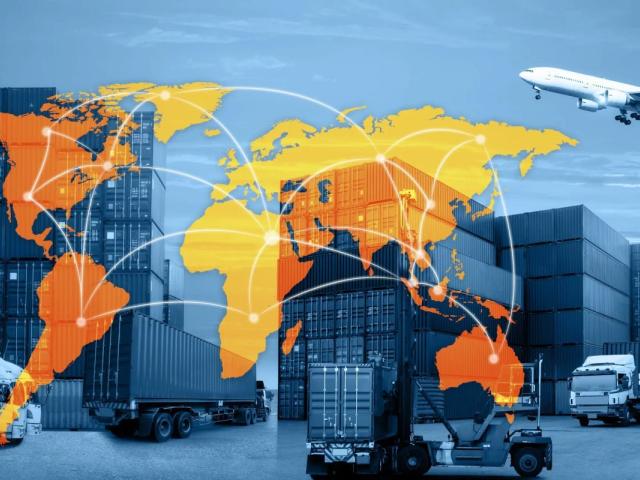
Section 1: The Three Modes in a Nutshell
| Mode | Biggest Advantage | Best Suited For |
|---|---|---|
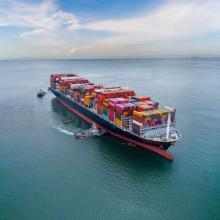
| 🚢 Domestic Sea Freight | Lowest cost, largest capacity | Bulk non-urgent coastal shipments |
| 🚄 Rail Freight | Moderate transit time, high punctuality | Medium-to-long distances inland |
| 🚛 Road Freight | Most flexible, door-to-door delivery | Short-distance, small-batch urgent items |
Section 2: Decision Matrix by Scenario
| Scenario | Recommended Mode | Reason |
|---|---|---|
| Coastal cities, bulk, not urgent | ✅ Domestic Sea Freight | Lowest cost |
| Inland cities, moderate volume | ✅ Rail freight | Direct inland access |
| Short distance, small batch, urgent | ✅ Road freight | Most flexible |
| Coastal → inland, bulk | ✅ Sea-rail intermodal | Ocean freight savings + rail speed |
Section 3: Based on Cargo Characteristics
| Cargo Characteristic | Recommended Mode |
|---|---|
| Heavy goods (high density, heavy weight) | ✅ Domestic Sea Freight |
| Light, bulky goods (large volume, light weight) | ✅ Road / Rail |
| Bulk raw materials (steel/grain) | ✅ Domestic Sea Freight |
| Fresh and refrigerated items | ✅ Refrigerated road vehicles |
Summary
For coastal bulk shipments → sea freight, for inland medium distances → rail, and for short-distance urgent shipments → road. Sea-rail intermodal transport is the optimal combined solution.
📖 Further reading: Sea vs. Road freight · Sea vs. Rail freight · Door-to-door service guide (also covers international sea freight and Hong Kong/Macau dedicated lines)
📞 Logistics solution consulting
📞 Hotline: 13075678958 | Email: info@zhbfwl.com
Related Logistics Services
Bofeng Logistics offers the following related services, feel free to inquire: