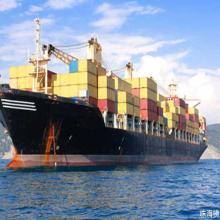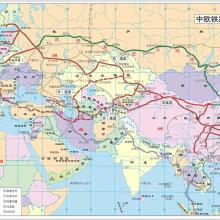
In international trade, choosing Full Container Load (FCL) means you have higher requirements for cargo safety, timeliness, and control. We specialize in international sea freight container transportation and understand that clear knowledge is the first step to successful shipping. This guide will systematically analyze the entire FCL process for you, helping you strategize and navigate cross-border shipping with ease.
Advantages and Suitable Scenarios of FCL
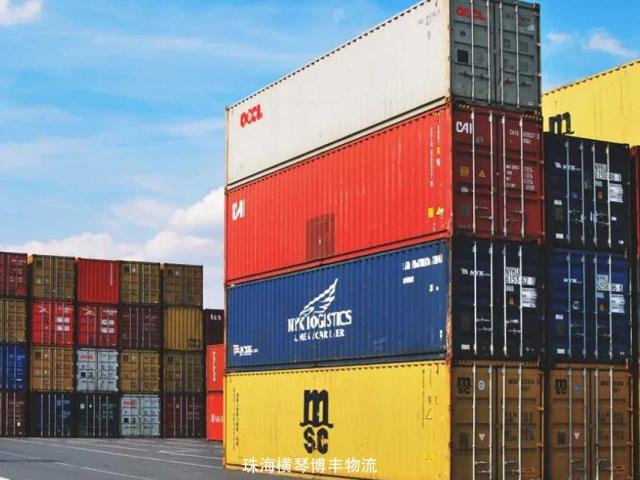
Full Container Load (FCL) means the shipper exclusively uses one container for transportation. Compared to Less than Container Load (LCL), it's not just a difference in volume, but an upgrade in logistics strategy.
Why do many customers choose FCL? Analysis of three core advantages
- Ultimate Safety: Cargo is loaded independently, eliminating risks of collision, contamination, and cross-handling damage associated with LCL, greatly reducing the cargo damage rate.
- Better Timeliness: Simplifies intermediate steps required for LCL such as consolidation and deconsolidation. Direct port pickup and delivery result in a shorter overall transport chain, offering more stable and controllable timeliness.
- Operational Convenience: We provide "door-to-door" one-stop service from empty container pickup to delivery at the destination port, with unified processes and clear responsibilities, significantly saving you communication and management costs.
Is FCL right for your cargo?
Generally, we recommend FCL when cargo volume exceeds 15 cubic meters, or when the goods are of high value or have special characteristics (e.g., precision instruments, fragile items, branded goods), as it offers better cost-effectiveness and safety. If you are unsure, feel free to contact us for a free assessment.
Standard Service Process: The Seven Steps of FCL Transportation
Collaborating with us, you will experience a clear, efficient, and reliable standardized service process.
Step 1: Professional Inquiry and Precise Booking
You provide the port of origin, port of destination, cargo weight/volume, container type, and shipping date. Leveraging our strong channel advantages, we match the optimal sailing schedule and price, issuing a Booking Confirmation (S/O) to secure space.
Step 2: Coordinated Container Pickup and Factory Loading
According to your plan, we coordinate the trucking team to pick up the empty container from the terminal using the S/O and transport it to your designated loading location. We will advise on loading guidelines (e.g., even weight distribution, cargo securing) to ensure safety.
Step 3: Efficient Export Customs Declaration and Document Review
After loading is complete, our professional customs declaration team will assist you in reviewing and preparing the full set of export documents (e.g., packing list, invoice, contract) to ensure compliance with customs regulations for smooth clearance.
Step 4: Port Entry and Vessel Loading for Departure
The loaded container returns to the port and enters the terminal operational workflow. The container is loaded onto the vessel as scheduled, commencing the sea voyage. You can contact us anytime to check vessel position dynamics and track cargo in transit.
Step 5: Destination Customs Clearance and Last-Mile Delivery
Before the vessel arrives, our overseas agents are prepared to assist with destination customs clearance, tax payment, and other procedures, arranging local trucks for final delivery to achieve a seamless connection.
Cost Transparency: In-depth Analysis of FCL Cost Composition
We firmly believe that transparent costs are the foundation of trust. A complete quote typically includes the following parts:
Origin Charges
Mainly includes: Documentation Fee (DOC), Terminal Handling Charge (THC), Customs Declaration Fee, Booking Fee, etc. These are fixed operational costs incurred at the exporting country's port.
Ocean Freight and Surcharges
These are the basic ocean freight (O/F) charged by the shipping line, plus surcharges that fluctuate based on market conditions, such as Bunker Adjustment Factor (BAF), Currency Adjustment Factor (CAF), etc.
Destination Charges
Incurred after the cargo arrives, typically including: Destination Terminal Handling Charge, Customs Clearance Agency Fee, Duties/VAT (to be settled based on actual costs), Document Surrender Fee, Inland Transport Fee, etc.
Key Risk Alert: Beware of Demurrage & Detention Charges
Shipping lines provide a free time period for container usage. Extended usage beyond this period incurs high detention and demurrage charges. Our service includes reminders at key milestones, helping you plan pick-up times and effectively avoid such risks.
Common Container Types and Applications
1. Standard Container Types
- 20GP / 40GP (Dry Van): Suitable for most general dry cargo.
- 40HQ (High Cube): Offers extra internal height, ideal for light, bulky cargo like furniture and textiles.
- 40RF (Reefer Container): Equipped with a built-in refrigeration unit, specifically designed for temperature-controlled cargo such as food and pharmaceuticals.
2. Special Container Types
- OT (Open Top): Facilitates loading of large machinery or irregularly shaped cargo from the top.
- FR (Flat Rack): Has no top or sides, specially used for transporting oversized heavy loads like engineering machinery or large steel structures.
We can recommend the most economical and safe container type solution based on your cargo characteristics.
Frequently Asked Questions
1. Is it necessary to purchase cargo transportation insurance?
Marine insurance is an effective means of risk transfer. Although not mandatory, we strongly recommend purchasing it. We can arrange cargo insurance on your behalf to provide solid protection for your goods.
2. How should I decide if the cargo cannot fill a full container?
You have two options in this situation: 1) Book a full container, enjoying higher safety and privacy; 2) Switch to LCL shipping to save costs. Share your requirements with us, and we will provide neutral advice considering cost, timeliness, and safety.
3. How can I track cargo status in real-time?
After signing the contract, you will receive exclusive online tracking access. You can check the schedule, container status, and cargo location in real-time using the unique Bill of Lading number on our company website or client system, providing end-to-end visibility.
4. Why can sky-high demurrage and detention charges occur?
Usually, it is due to customs clearance delays or the consignee not picking up the container promptly, causing the container occupancy time to exceed the shipping line's free time period. Don't worry; we will remind you in advance and assist with efficient clearance and pickup to help you avoid this pitfall!
Related Logistics Services
Bofeng Logistics offers the following related services, feel free to inquire: