Overview of China's Ports
China, as a country with a long coastline and abundant inland water systems, plays a vital role in national economic development and international trade through its ports. As one of the world's largest trading nations, China’s ports are not only the main gateways for goods import and export but also key nodes driving regional economic integration and the Belt and Road Initiative. This article aims to outline the basic situation, layout characteristics, major ports, and their functions and development status in China.
Basic Concept of Ports
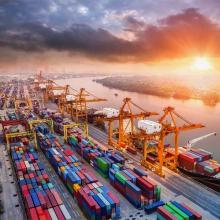
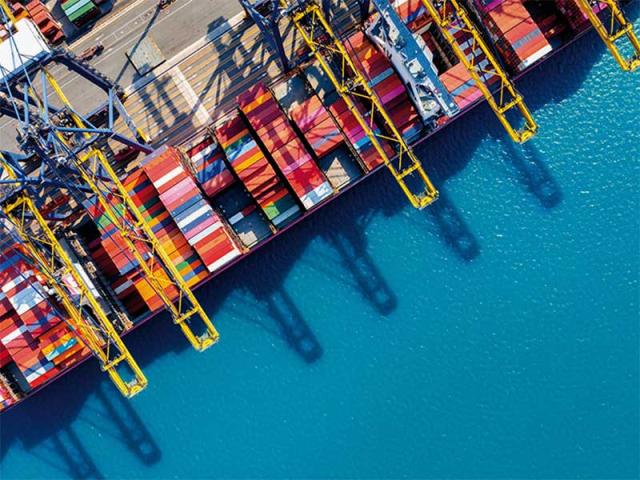
Ports, as hubs for water-land intermodal transport, provide comprehensive services such as vessel entry and exit, berthing, passenger boarding, cargo loading and unloading, lightering, and storage. They are typically equipped with docks, warehouses, handling equipment, and well-developed transportation connections to ensure efficient and smooth logistics.
Overview of China's Coastal Port Layout
China's coast is dotted with numerous large and medium-sized ports, forming a dense cluster from the Liaodong Peninsula in the north to Hainan Island in the south. These ports are divided into several major regions based on geographic location, natural conditions, and economic development needs: the Bohai Rim region, the Yangtze River Delta, the Southeast Coast, the Pearl River Delta, and the Southwest Coast. Each region’s port cluster has its unique strategic positioning and service targets, collectively supporting China’s vast maritime network.
Introduction to Major Ports
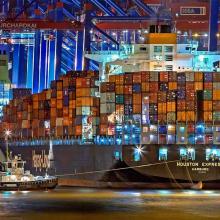
- Port of Shanghai: Located at the mouth of the Yangtze River, it is one of China's busiest international shipping centers and one of the world's largest container ports. Thanks to its excellent geographical location and efficient logistics system, the Port of Shanghai serves as a key node connecting domestic and international markets.
- Port of Dalian: Situated in northeastern China, it is an important port in the Bohai Rim region, serving the export of goods and energy imports for the three northeastern provinces and eastern Inner Mongolia. It is also a vital part of the Northeast Asia international shipping center.
- Ningbo Zhoushan Port: Integrating the resources of Ningbo Port and Zhoushan Port, it is the world's largest port in terms of cargo throughput, particularly dominant in handling bulk commodities such as iron ore, coal, and oil.
- Port of Shenzhen: Located in the Pearl River Delta, it is the main foreign trade gateway in southern China, renowned for its highly modern facilities and rapid cargo turnover, making significant contributions to the economic development of the South China region.
- Port of Qingdao: Located at the southern end of the Shandong Peninsula, it is an important comprehensive port in northern China, serving not only Shandong Province but also a key node connecting routes to Japan, South Korea, Europe, and America.
Development Trends and Challenges
In recent years, China's ports have made continuous progress in intelligent and green transformation, such as the construction of automated terminals and the application of clean energy, to improve efficiency and reduce environmental impact. Meanwhile, facing changes in international trade patterns, global economic fluctuations, and environmental protection pressures, China’s ports are actively seeking diversified development paths, strengthening cooperation with ports in other countries, and promoting the construction of the Maritime Silk Road to maintain and enhance their competitiveness in the global maritime network.
Bofeng Logistics specializes in providing one-stop logistics services including domestic container shipping, international shipping (FCL/LCL), Hong Kong and Macao logistics express, as well as trucking, customs clearance, and warehousing. Contact number: 130-7567-8958 (Manager Huang). Call now to get a customized quote!
Related Logistics Services
Bofeng Logistics offers the following related services, feel free to inquire: