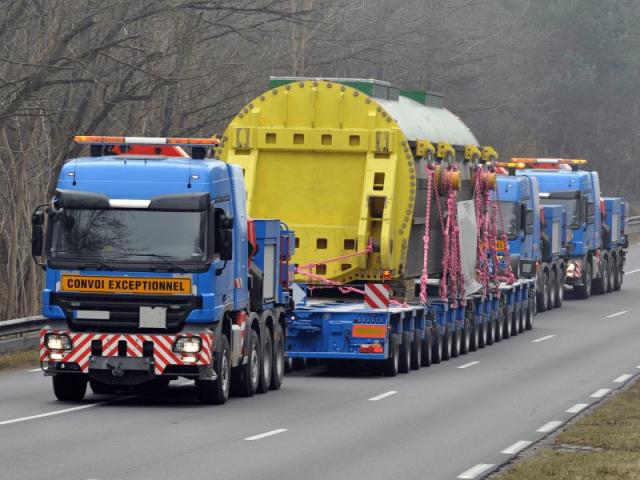
In international trade and commercial activities, large-item logistics transportation plays a crucial role in connecting the mainland with Hong Kong due to its unique characteristics. Bofeng Logistics specializes in large-item logistics to Hong Kong. Phone: 130-7567-8958.
The following introduces the transportation methods and operational procedures for large-item logistics to Hong Kong.
Large-Item Logistics Transportation Methods
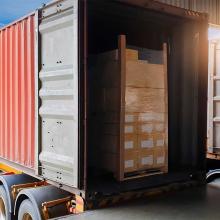
Full Truckload (FTL)
Advantages: Point-to-point direct delivery reduces losses and time delays from multiple loading and unloading, improving transportation efficiency and safety.
Application: Suitable for bulky goods requiring special protection, such as large machinery and engineering components.
Less-than-Truckload (LTL) + Local Hong Kong Delivery:
Explanation: Goods are first consolidated with other shipments for transport to Hong Kong, then distributed to the final destination.
Applicable: Suitable for non-urgent, cost-sensitive cargo from small and medium-sized enterprises.
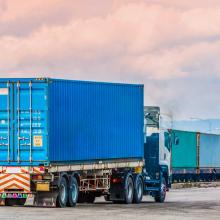
Sea/Rail-Truck Intermodal Transport:
Features: Combines the low cost of sea freight with the flexibility of land transport, ideal for long-distance or specific-route large items.
Applicable: Transportation needs from international locations or coastal cities to Hong Kong.
Air Freight:
Advantages: Fast speed, suitable for urgent, high-value large items.
Limitations: Higher cost, subject to cargo dimensions and airport facilities.
Operational Procedures
Cargo Preparation and Packaging
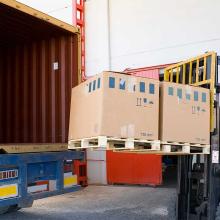
Assessment and Packaging Design: Evaluate dimensions and weight based on cargo characteristics, design reinforced packaging, with special attention to protecting fragile or delicate parts.
Marking and Labeling: Clearly identify cargo information, including name, weight, dimensions, origin, destination, and special handling notes.
Document Preparation
Customs Documents: Prepare complete customs clearance materials, such as commercial invoices, packing lists, contracts, and certificates of origin, to facilitate smooth customs passage.
Insurance Arrangements: Select appropriate transport insurance based on cargo value to cover potential loss or damage.
Transport Arrangement
Choosing a Logistics Provider: Select a logistics provider with large-item transport experience and good reputation according to cargo characteristics and requirements.
Route Planning: Confirm the optimal transport route with our company, considering road restrictions, weather, and other factors.
Customs Declaration and Clearance
Mainland Export Declaration: Submit relevant documents to complete export customs filing.
Hong Kong Import Clearance: Upon arrival in Hong Kong, complete import customs clearance procedures by our company or independently.
Transportation and Monitoring
Real-Time Tracking: Use GPS technology to monitor cargo transport status, ensuring safety and enabling timely adjustments to the transport plan.
Contingency Response: Have plans for unexpected situations (such as bad weather or traffic jams), with timely communication and handling.
Final Delivery and Sign-Off
Local Hong Kong Delivery: Arrange appropriate vehicles for final delivery based on customer requirements.
Sign-Off Confirmation: After the recipient verifies the goods without issues, complete sign-off procedures to ensure the transaction is successfully concluded.
Related Logistics Services
Bofeng Logistics offers the following related services, feel free to inquire: