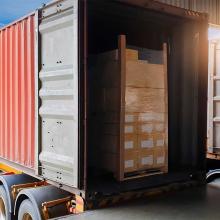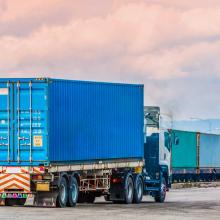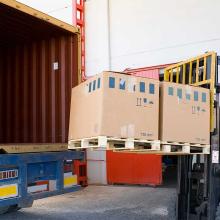
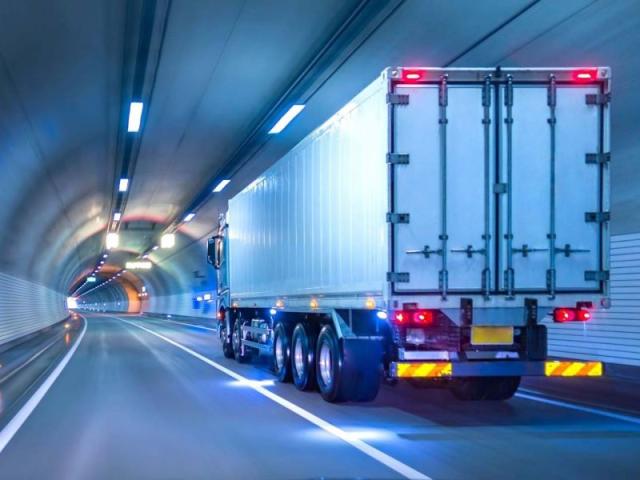
The China-Hong Kong cold chain transport acts as a bridge connecting the mainland market with the international market, demonstrating its unique characteristics and diverse transport methods.
Below are the features of China-Hong Kong cold chain transport and its main modes of transport.
Characteristics of China-Hong Kong Cold Chain Transport
- High Supervision and Compliance: Given the importance of food safety, China-Hong Kong cold chain transport must strictly adhere to the food safety regulations and quarantine standards of both regions, ensuring full temperature control and minimizing the risk of cross-contamination.
- Fast Customs Clearance Mechanism: To improve efficiency, China-Hong Kong cold chain transport typically uses electronic customs declarations and pre-declaration measures to shorten cargo clearance time, ensure freshness, and reduce losses.
- Advanced Temperature Control Technology: Utilizing high-tech methods such as GPS tracking and remote temperature monitoring to track cargo status in real time, ensuring it stays within the preset temperature range throughout the journey.
- Flexible and Diverse Transport Modes: Cold chain transport between China and Hong Kong combines multiple transport methods to meet the needs and urgency of different cargoes, providing customized solutions.
- Coexistence of High Cost and High Efficiency: Although the cost of cold chain transport is higher than that of regular cargo transport, efficient logistics management and optimized transport routes can effectively reduce overall costs and improve supply chain efficiency.
- Professional Storage and Distribution: Specialized cold chain warehouses are available in both China and Hong Kong, providing value-added services such as temporary storage, sorting, and packaging to ensure seamless supply chain connections.
Modes of China-Hong Kong Cold Chain Transport
- Road Cold Chain Transport: This is the most flexible method, offering “door-to-door” service from shipper to consignee, suitable for short distances and small batches. The extensive road network offers relatively controllable transit times, making it ideal for time-sensitive goods.
- Rail Cold Chain Transport: Using refrigerated containers or railcars, this method is suitable for large volumes over long distances. Compared to road transport, rail is more cost-effective and less affected by weather, though it is slightly less flexible.
- Sea Cold Chain Transport: Suitable for bulk cross-border transport, especially economical over long distances. Dedicated refrigerated vessels or containers allow for prolonged low-temperature preservation, but transit times are longer.
- Air Cold Chain Transport: For high-value, perishable goods, airfreight offers the fastest option. Despite higher costs, it significantly reduces delivery times and minimizes cargo losses.
China-Hong Kong cold chain transport not only requires high specialization and strict regulation, but also relies on a diversified and efficient transport system. As technology advances and market demand grows, China-Hong Kong cold chain transport services will continue to be optimized to better serve the international trade needs of temperature-sensitive goods such as food and pharmaceuticals.
Bofeng Logistics specializes in China-Hong Kong cold chain transport, Tel: 130-7567-8958.
Related Logistics Services
Bofeng Logistics offers the following related services, feel free to inquire:
Knowledge Category