China-Hong Kong freight transport refers to the cargo transportation between Mainland China and Hong Kong. The industry has developed rapidly, forming a diversified transportation system including road, sea, and air transport. The following is an overview of the basic process, common modes, required documents, and considerations for China-Hong Kong freight transport.
1. Modes of China-Hong Kong Freight Transport
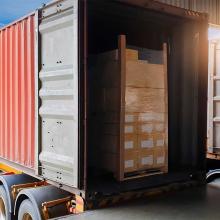
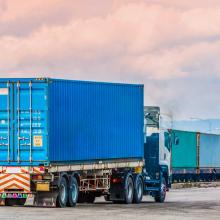
- Road Transport: The most common mode, primarily involving truck transport. It is divided into two main types: less-than-truckload (LCL) and full-container-load (FCL). LCL is suitable for small batches of goods, often using consolidated containers, while FCL is for large volumes, using an entire container.
- Sea Freight: Suitable for long-distance transportation of bulk goods, with relatively low costs. As an international shipping hub, Hong Kong has advanced port facilities and serves as a key node for global transshipment.
- Air Freight: The best option for high-value or urgent goods. Frequent flights between mainland cities like Shenzhen and Guangzhou and Hong Kong ensure rapid delivery.
2. China-Hong Kong Freight Transport Process
- Order Confirmation: The customer confirms transportation needs with the logistics company, including cargo type, weight, volume, pickup and delivery addresses, and time requirements.
- Customs Declaration Preparation: Prepare relevant customs documents based on the cargo nature, such as invoices, packing lists, and customs declarations, ensuring compliance with the import/export regulations of both regions.
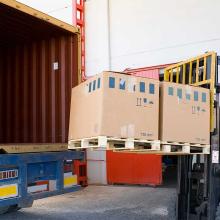
- Pickup/Loading: Collect goods from mainland factories or warehouses and load them. For FCL, load directly into the container; for LCL, move goods to a consolidation center for container loading.
- Customs Clearance: Declare goods with mainland customs for export clearance. Upon arrival in Hong Kong, import clearance is required.
- Transportation: Actual transport according to the chosen mode, which may involve multiple loading, unloading, and transshipment points.
- Delivery: Goods arrive at the designated location, are unloaded, and relevant documents (such as delivery notes) are handed to the consignee.
- Settlement and Feedback: After transport, both parties settle costs according to the contract and provide evaluation and feedback on the service.
3. Required Documents
- Commercial Invoice
- Packing List
- Customs Declaration Form
- Permit/License (if involving special goods)
- Certificate of Origin
- Bill of Lading or Air Waybill
4. Considerations
- Compliance: Ensure goods comply with the laws and regulations of both regions, especially for sensitive items like food, medicine, and dangerous goods.
- Insurance: It is recommended to insure high-value goods to protect against potential losses during transport.
- Timeliness: Monitor the impact of holidays and policy changes on transportation schedules.
- Communication: Maintain good communication with the logistics company to promptly resolve any issues that may arise during transport.
Bo Feng Logistics specializes in one-stop logistics services including domestic container shipping, international shipping (FCL/LCL), Hong Kong and Macau dedicated routes, and trucking, customs clearance, and warehousing. Contact: 130-7567-8958 (Manager Huang). Call now for a customized quote!
Related Logistics Services
Bofeng Logistics offers the following related services, feel free to inquire: