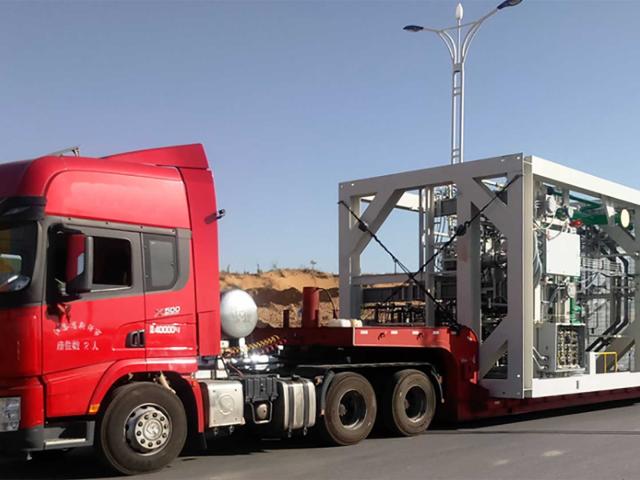
China-Hong Kong cross-border freight, i.e., transportation of goods between Mainland China and the Hong Kong Special Administrative Region. The following introduces the service methods, service procedures, operational processes, and precautions for China-Hong Kong cross-border freight.
I. China-Hong Kong Logistics Service Methods
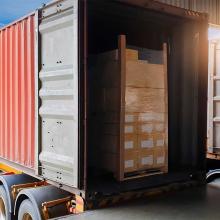
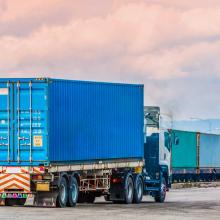
China-Hong Kong logistics services include but are not limited to various modes of transport such as land, sea, and air, primarily serving the import and export needs of goods between the two regions. Among these, land transport is the most common form, conducted through land ports such as Huanggang Port, Wenjindu Port, and Sha Tau Kok, while sea and air transport are suitable for bulk goods or the rapid transportation of high-value or urgent items.
II. China-Hong Kong Transport Service Procedures
- Order Confirmation: The customer submits transport requirements, including cargo type, volume, weight, destination, and other information.
- Quotation and Contract Signing: The logistics company provides a quotation based on the customer's needs, and after mutual confirmation, a transport contract is signed.
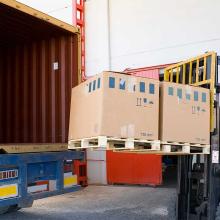
- Cargo Preparation: The customer prepares the cargo and completes necessary packaging and labeling.
- Customs Clearance Procedures: Depending on the nature of the cargo, corresponding export customs clearance (Mainland) and import customs clearance (Hong Kong) are carried out. Electronic customs declaration and centralized declaration forms can improve efficiency.
- Transport Execution: The cargo is transported from the mainland to Hong Kong via the chosen mode of transport (land, sea, or air), which may involve transshipment or transfer.
- Arrival Notice and Delivery: Upon cargo arrival in Hong Kong, the consignee is notified, and the handover is completed.
- Follow-up Services: Including but not limited to organizing clearance documents, expense settlement, customer service feedback, etc.
III. Key Elements and Challenges of Hong Kong Cross-border Freight
- Customs Efficiency: Efficient customs clearance is key to shortening transport time; close attention to policy changes and the use of electronic customs declaration are necessary.
- Cost Control: Factors such as freight charges, customs fees, and inspection fees must be comprehensively considered, with reasonable planning to reduce costs.
- Compliance: Adherence to the laws and regulations of both regions, particularly concerning tariffs, permits, and prohibited items.
- Logistics Information Technology: Use of advanced logistics information systems to enhance transparency and management efficiency.
IV. Precautions
- Accurate Declaration: Ensure cargo information is accurate to avoid penalties or cargo detention due to misdeclaration.
- Insurance Arrangements: It is recommended to purchase transport insurance for valuable or fragile goods.
- Selection of Logistics Service Providers: Choose a reputable, experienced logistics service provider with an extensive service network.
- Real-time Tracking: Utilize modern logistics technology to track cargo status in real time, ensuring safe and timely arrival.
Bofeng Logistics, professionally providing Hong Kong cross-border freight and China-Hong Kong cross-border freight services. Contact number: 130-7567-8958
Related Logistics Services
Bofeng Logistics offers the following related services, feel free to inquire: