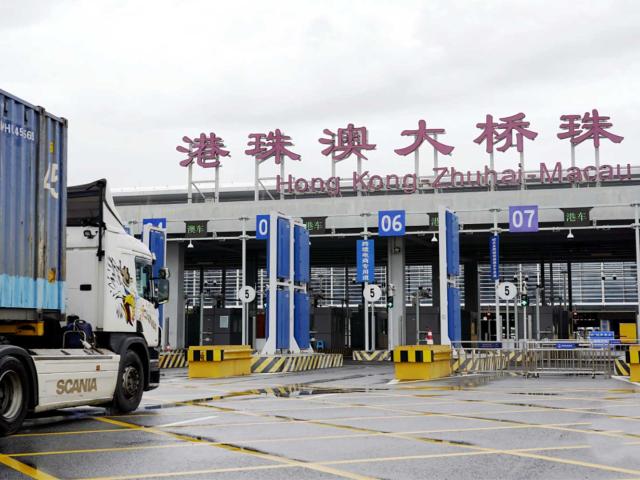
How to ship to Hong Kong? How to ship via China-Hong Kong logistics? How to send goods to Hong Kong? Many businesses are still unfamiliar with the process of shipping to Hong Kong. The operational procedure involves multiple steps and requires strict compliance with customs regulations and logistics standards. Below, we provide a detailed overview of the shipping process for China-Hong Kong logistics to help businesses and individuals complete cross-border transportation tasks more efficiently and compliantly.
I. Preparation Before Shipping
- Confirm Cargo Information: Provide a detailed cargo list, including the product name, quantity, total weight, total volume, specifications, value, and other information, ensuring all data is accurate.
- Verify Consignee Information: Provide accurate information of the consignee in Hong Kong, including address, contact person name, phone number, etc., to facilitate smooth cargo handover by the logistics company in Hong Kong.
- Choose Pickup Method: Decide whether to deliver the goods to the logistics company's designated warehouse or arrange for the logistics company to pick up the goods from your location. Different options affect logistics costs and service arrangements.
- Determine Export Method: Based on the nature of the cargo and customer needs, choose between less-than-container-load (LCL) consolidation export or general trade customs declaration export. The former is suitable for small batches, while the latter is for large-scale trade.
II. Documentation and Declaration
- Organize Customs Declaration Documents: Prepare necessary customs clearance documents, including but not limited to commercial invoices, packing lists, certificates of origin, permits (if required), contracts, etc., ensuring all documents are complete and meet customs requirements.
- Pre-Declaration: Conduct a pre-declaration via an electronic platform or through the logistics service provider before shipping, to identify and resolve potential customs issues in advance.
- Customs Clearance Data: Prepare corresponding documents for Hong Kong import customs clearance to ensure smooth clearance procedures on the Hong Kong side.
III. Cross-Border Transport Arrangement
- Choose Transport Mode: Select an appropriate cross-border transport method based on cargo type, volume, time requirements, and budget, primarily including land transport (via Shenzhen or other border ports), sea freight, or air freight.
- Execute Cross-Border Transport: After the cargo completes mainland China export customs clearance, the logistics company is responsible for transporting it to Hong Kong. This may involve purchasing cross-border transport insurance to ensure cargo safety.
IV. Hong Kong Entry and Delivery
- Hong Kong Import Customs Clearance: Upon arrival in Hong Kong, the logistics company will handle import customs declaration, process duties, value-added tax, and other related matters, and undergo customs inspection.
- Local Delivery: After customs clearance is completed, local cargo delivery within Hong Kong is arranged according to the agreed address, completing the final handover.
V. Fee Payment and Tracking
- Settle Fees: Pay shipping fees and other potential costs, such as customs clearance fees, storage fees, etc., in advance or after delivery according to the logistics company's quotation. Collect-on-delivery (COD) services may also be available.
- Track Shipment: Monitor the entire process from pickup to delivery in real time by communicating with the logistics company, ensuring logistics transparency.
Bofeng Logistics specializes in providing one-stop logistics services including domestic container sea freight, international sea freight (FCL/LCL), dedicated Hong Kong and Macau logistics lines, as well as trucking, customs clearance, and warehousing. Contact: 130-7567-8958 (Manager Huang). Call now for a customized quote!
Related Logistics Services
Bofeng Logistics offers the following related services, feel free to inquire: