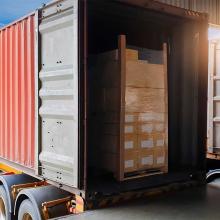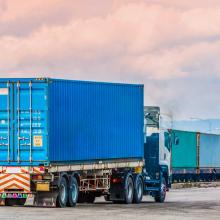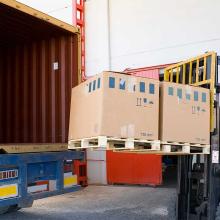
Logistics to Hong Kong, or direct logistics to Hong Kong, refers to the process of transporting goods from Mainland China to the Hong Kong Special Administrative Region of China, involving cross-border transportation, customs clearance procedures, and a series of operations to ensure safe and timely delivery of goods.
Bofeng Logistics provides professional logistics services to Hong Kong, including direct shipping. Contact number: 130-7567-8958
Below is an introduction to logistics for shipments to Hong Kong, covering logistics method selection, operational procedures, cost control, precautions, and risk avoidance strategies.
I: Logistics Methods
- Courier Services: Use international courier companies such as DHL, FedEx, UPS, and SF Express for door-to-door service, suitable for small, high-value items requiring fast delivery.
- Air Freight: Suitable for urgent, small-volume goods, choosing direct flights to Hong Kong to minimize transit time and ensure rapid arrival, providing faster transport times.
- Sea Freight: Suitable for large or bulk goods; although the shipping period is longer, the cost is relatively economical, suitable for non-urgent needs.
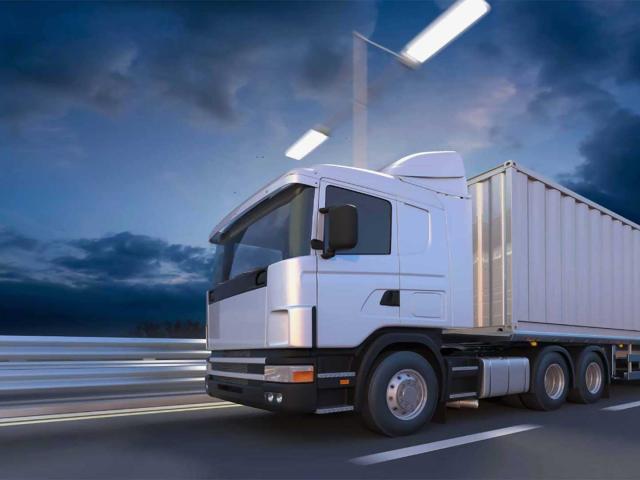
- Land Transport: Includes cross-border truck and rail transport, particularly convenient for goods from areas like Zhuhai, Shenzhen, Zhongshan, Dongguan, Huizhou, and Jiangmen to Hong Kong.
- Dedicated Line Logistics: Customized logistics services for specific routes, usually including customs clearance and delivery, suitable for clients with special needs.
II: Logistics Operational Procedures
- Needs Analysis and Logistics Selection: Determine the nature, weight, volume, and delivery time requirements of the goods, comparing the cost and efficiency of different direct shipping modes.
- Packaging and Compliance: Pack according to international transport standards with proper labels and necessary documents, ensuring compliance with Hong Kong import regulations.
- Customs Declaration and Clearance: Prepare complete customs documents, such as invoices, packing lists, permits, etc., and choose an experienced logistics company to assist with customs clearance in both locations.
- Goods Tracking: Use tracking services provided by the logistics company to monitor the shipment status in real time.
- Delivery and Acceptance: Upon arrival in Hong Kong, hand over the goods as agreed, with the consignee carefully inspecting the condition and completing the sign-off.
III: Cost Control and Optimization
- Choose the appropriate transport mode and route to balance speed and cost.
- Ship in bulk to obtain better freight rates.
- Reduce packaging materials and load reasonably to lower dimensional weight.
- Prepare all customs clearance documents in advance to avoid additional fees due to incomplete paperwork.
IV: Precautions
- Understand Prohibited and Restricted Items: Ensure goods are not on the prohibited or restricted list in Hong Kong or Mainland China.
- Purchase Insurance: Consider transport insurance for high-value goods to protect against accidental loss.
- Timeliness: Consider factors like holidays and weather that may affect transit time.
Related Logistics Services
Bofeng Logistics offers the following related services, feel free to inquire: