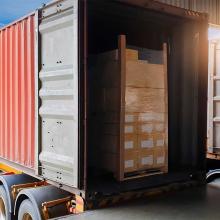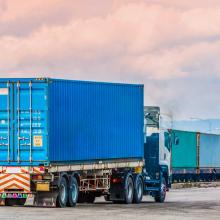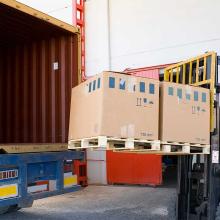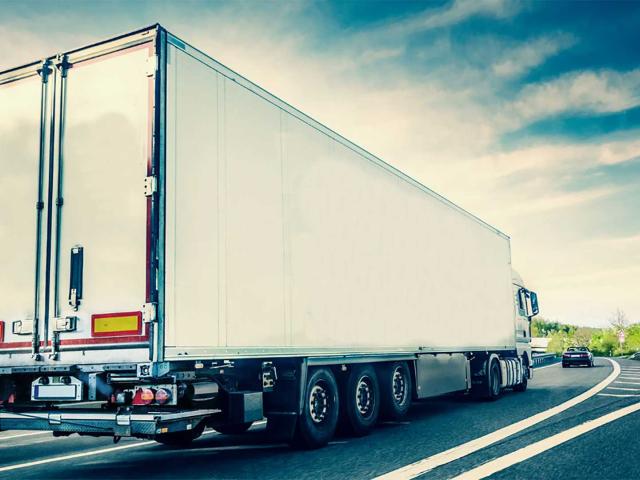
Freight to Hong Kong logistics, also known as logistics destined for Hong Kong or direct logistics to Hong Kong, refers to the process of transporting goods from Mainland China or other countries and regions to the Hong Kong Special Administrative Region. This involves a series of complex logistics operations, transport mode selection, customs clearance, and final delivery to designated locations.
The following is an overview of the main logistics methods, procedures, considerations, and recommended service providers for freight to Hong Kong.
Main Logistics Methods
- Land Transport (China-Hong Kong Logistics)
- Features: Suitable for freight transportation from Shenzhen, Guangdong, and even various cities across the country (e.g., Langfang, Shanghai) to Hong Kong. Via direct cross-border road transport, it offers fast speed and relatively low costs.
- Services: Includes door-to-door service, warehousing logistics, cargo packing, and other value-added services.
- Recommended Service Provider: Bofeng Logistics offers professional China-Hong Kong logistics services and dedicated logistics routes.
- Bofeng Logistics Contact Number: 130-7567-8958
- Sea Freight
- Features: Suitable for bulk cargo or non-urgent shipping needs, cost-effective but with longer transportation times.
- Ports: Primarily utilizes sea routes from Shenzhen Yantian Port, Guangzhou Nansha Port, Zhuhai Port, etc., to Hong Kong.
- Air Freight
- Features: Fast transportation speed, suitable for high-value or urgent items, but higher costs.
- Airports: Utilizes flights from major domestic airports like Shenzhen Bao'an International Airport, Beijing Capital International Airport, etc., directly to Hong Kong International Airport.
- Rail Transport
- Features: Combines the low cost of sea freight with the speed of air freight, suitable for specific types of goods and long-distance transport.
- Routes: Although direct railway freight services to Hong Kong are limited, goods can be transported via domestic rail networks to Shenzhen or Zhuhai before being transferred to land transport for Hong Kong.
Logistics Process
- Inquiry and Booking: Customers inquire about pricing based on cargo type, weight, volume, and destination, then book the service.
- Packing and Document Preparation: Ensure proper packaging and prepare all necessary customs clearance documents, such as invoices, packing lists, and customs declarations.
- Pickup and Transport: We arrange doorstep pickup, or customers deliver the goods to designated consolidation points, followed by transportation based on the selected method.
- Customs Clearance: Clearance occurs when goods arrive at the Hong Kong border, complying with Hong Kong Customs regulations.
- Delivery: After clearance, goods are delivered to the designated destination, including door-to-door service.
Considerations
- Compliance: Ensure goods do not violate prohibited or restricted item regulations in both regions.
- Insurance: Consider purchasing transport insurance for valuable goods to protect against loss or damage.
- Timeliness: Choose the appropriate transport method based on the urgency of shipment.
- Cost Control: Comprehensively consider costs including freight, insurance, and potential tariffs.
Related Logistics Services
Bofeng Logistics offers the following related services, feel free to inquire: