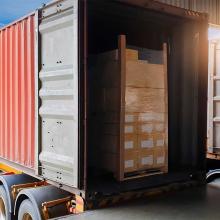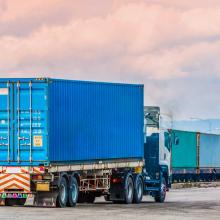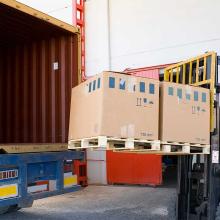
China-Hong Kong logistics distribution and Hong Kong logistics distribution, as a vital bridge connecting Mainland China with the Hong Kong Special Administrative Region, involve a wide range of logistics activities, including key processes such as freight transportation, warehousing, customs declaration, customs clearance, and final delivery. The following will provide a detailed introduction to the process, operational key points, and precautions of China-Hong Kong logistics distribution.
I. China-Hong Kong Logistics Distribution Process
- Departure Preparation
- Factory or Supplier: First, the supplier or manufacturer completes the production and packaging of the products, ensuring compliance with export requirements.
- Domestic Transport: Use local vehicles to transport the goods from the factory to the logistics company's transit warehouse in Shenzhen, Zhuhai, or other mainland cities near Hong Kong.
- Customs Declaration and Clearance
- Mainland Customs: Before the goods leave the mainland, export customs declaration must be conducted with the mainland customs, submitting relevant documents such as invoices, packing lists, and export licenses.
- Hong Kong Customs: After the goods arrive in Hong Kong, import customs declaration is required. Clearance procedures include but are not limited to submitting bills of lading, commercial invoices, packing lists, and any necessary permits for specific goods.
- Cross-border Transport
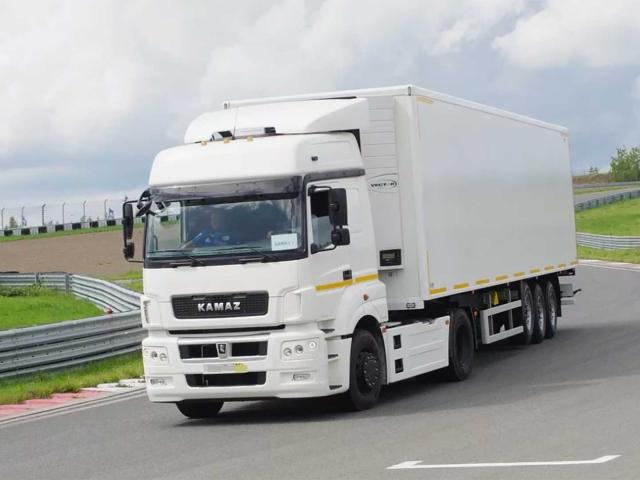
- China-Hong Kong Trucks: Use trucks specifically designated for transport between the two places (Hong Kong trucks) to ensure safe transit of goods. Depending on the nature of the goods and customer needs, combined transport methods such as road, rail, or sea may be chosen.
- Destination Handling
- Hong Kong Warehouse: After arriving in Hong Kong, the goods can typically be transported to the logistics company's Hong Kong warehouse for temporary storage or delivery.
- Local Delivery: Finally, according to the customer's requirements, Hong Kong trucks are arranged for local delivery in Hong Kong to the final destination.
II. Operational Key Points
- Compliance Check: Ensure all goods and documents comply with the laws and regulations of both regions, especially for controlled goods.
- Packaging Standards: Goods packaging must meet transport safety standards to prevent damage and facilitate loading, unloading, and handling.
- Timeliness Management: Plan transport time reasonably, taking into account potential delays in customs clearance, and make arrangements in advance.
- Information Management: Use logistics information systems to track cargo status, enhancing transparency and efficiency.
III. Precautions
- Complete Documentation: Prepare complete import and export documents to avoid delays or fines due to incomplete documentation.
- Customs Duties and Taxes: Understand and estimate customs duties and other taxes, incorporating them into the cost budget.
- Insurance Coverage: Consider purchasing transport insurance for high-value goods to mitigate the risk of accidental loss.
- Contingency Plan: Develop plans to handle emergencies, such as weather impacts or traffic congestion.
China-Hong Kong logistics distribution is a complex yet essential service. Businesses should select experienced and comprehensive logistics providers to ensure smooth logistics operations.
Bofeng Logistics, with years of experience in China-Hong Kong logistics distribution and Hong Kong logistics distribution, provides dedicated logistics line services from Mainland China to Hong Kong. These include door-to-door services from pickup, transport, warehousing, customs declaration, customs clearance, to delivery and unloading in Hong Kong, developing professional logistics transport plans for different customers and various types of cargo, meeting the extensive China-Hong Kong logistics distribution needs of clients.
Bofeng Logistics Service Hotline: 130-7567-8958
Related Logistics Services
Bofeng Logistics offers the following related services, feel free to inquire: