Consolidated cargo logistics to Hong Kong, also referred to as LCL (less-than-container load) logistics to Hong Kong or groupage logistics to Hong Kong, refers to the process of gathering small quantities of goods from different clients and transporting them together via consolidation or shared trucking to Hong Kong. This method is particularly suitable for small and medium-sized enterprises or individual shippers, as it effectively reduces transportation costs and enhances logistics efficiency. Below are the specific operational procedures and considerations for consolidated cargo logistics to Hong Kong:
1. Cargo Preparation and Packaging
- Packaging Requirements: Ensure all cargo packaging is sturdy enough to withstand compression and vibration during long-distance transport. Fragile items, liquids, and other special goods must be professionally packaged according to relevant regulations and clearly labeled.
- Inventory and Labels: Prepare a detailed cargo list including item names, quantities, weights, dimensions, and other information, and affix clear labels to the outer packaging.
2. Ordering and Scheduling
- Choosing a Logistics Service Provider: Select a suitable logistics provider based on factors such as service quality, price, and transit time. For example, Bofeng Logistics specializes in consolidated cargo transport services to Hong Kong, contact phone number: 130-7567-8958.
- Placing an Order: Submit transportation requirements to Bofeng Logistics, including origin, destination, cargo details, and any special requests.
- Scheduling Pickup/Warehousing: Coordinate a pickup time on the mainland according to the logistics company's arrangements, or deliver the goods to a designated warehouse yourself.
3. Cargo Consolidation
- Cargo Collection: Bofeng Logistics will collect goods at designated locations or dispatch vehicles to pick up from clients.
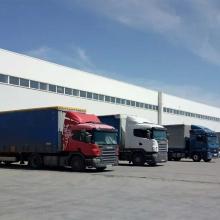
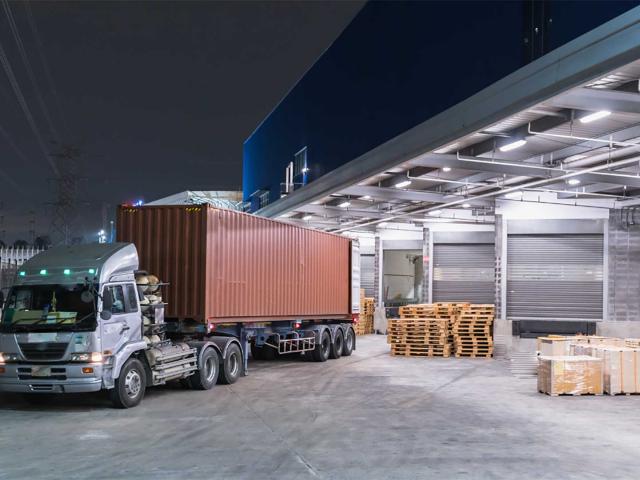
- Consolidation (LCL/Shared Trucking): Combine shipments from different clients, rationally allocating them into containers or trucks based on cargo type, volume, and weight to achieve full loads and reduce costs.
4. Customs Declaration and Clearance
- Customs Declaration Documents: Provide accurate commercial invoices, packing lists, customs declarations, and other necessary documents, with the logistics company handling the export customs declaration procedures on your behalf.
- Customs Clearance: Upon arrival in Hong Kong, local logistics partners handle customs clearance to ensure goods enter the Hong Kong market smoothly.
5. Transport and Delivery
- Land Transport to Hong Kong: Goods are transported by land (e.g., cross-border trucks) from Mainland China to Hong Kong.
- Delivery within Hong Kong: Depending on client needs, options include direct door-to-door delivery or delivery to a designated warehouse in Hong Kong for client pickup.
6. Fee Settlement and Tracking
- Fee Settlement: Pay logistics fees according to the pre-agreed rate. Fees typically include basic freight, customs declaration charges, and possible value-added service fees.
- Cargo Tracking: Use the tracking service provided by the logistics company to monitor the cargo's transport status in real time, ensuring safe and timely arrival.
Important Considerations
- Compliance: Ensure that goods comply with import and export laws and regulations of both locations, particularly regarding restrictions and license requirements for special items.
- Insurance: Consider purchasing transport insurance for high-value or fragile goods as a precaution.
- Timeliness: Be aware of factors such as holidays and weather that may affect transit times.
- Communication: Maintain good communication with the logistics company to promptly resolve any issues that may arise during transport.
Related Logistics Services
Bofeng Logistics offers the following related services, feel free to inquire: