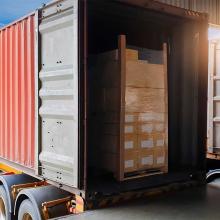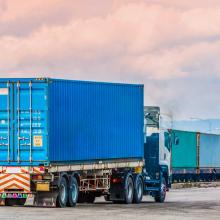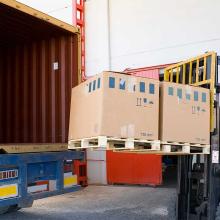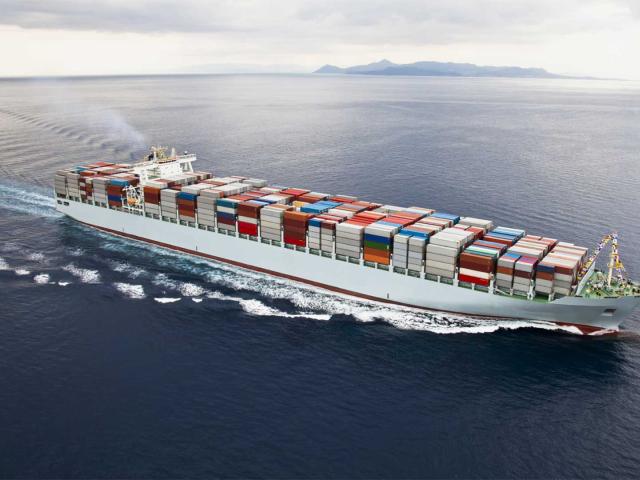
China-Hong Kong sea freight transportation and Hong Kong sea freight transportation cover two-way cargo transport from various ports in mainland China to Hong Kong, as well as from Hong Kong to the mainland. Major ports include but are not limited to Hong Kong's Kwai Tsing Container Terminals, Shenzhen Yantian Port in the Pearl River Delta region, Guangzhou Nansha Port, Zhejiang Ningbo Port, Shanghai Port, and others. Transportation methods are mainly divided into LCL (less-than-container-load) and FCL (full-container-load) shipping, with container shipping being more common due to its efficiency and safety.
The following outlines the transportation process of China-Hong Kong sea freight, knowledge of bills of lading, and the characteristics and advantages of sea freight services.
Hong Kong Sea Freight Transportation Process
- Cargo Preparation: The shipper prepares appropriate packaging according to the nature of the goods, ensuring compliance with sea freight requirements.
- Space Booking: A logistics company is commissioned to book cargo space with a shipping line, providing details such as weight, volume, and destination port.
- Customs Declaration: Before shipment, export customs declaration must be completed at the place of departure, submitting relevant documents such as invoices, packing lists, and export licenses.
- Loading and Port Assembly: Goods are transported to the designated terminal for loading into containers or onto break-bulk vessels.
- Sea Transport: The vessel sails according to the scheduled route. Communication can be maintained with the logistics company to track cargo status.
- Customs Clearance and Cargo Pick-up: Upon arrival at the destination port, import customs clearance is required, submitting import documents and paying customs duties and other fees before collecting the goods.
- Inland Transportation: If necessary, trucking from the port to the final destination is arranged.
China-Hong Kong Sea Freight Bill of Lading Knowledge
The Bill of Lading (B/L) is an indispensable document in sea freight, serving both as a receipt for the goods and as a document of title. The party holding the B/L is entitled to take delivery of the goods listed on it. B/Ls come in various forms, such as original B/L and telex release B/L, and are chosen based on actual needs. In China-Hong Kong sea freight, proper handling of B/Ls is crucial to ensuring a smooth transfer of cargo.
Characteristics and Advantages of China-Hong Kong Sea Freight Services
- Cost-Effectiveness: Compared to air freight, sea freight costs are significantly lower, making it suitable for transporting large quantities of goods.
- Large Capacity: Capable of carrying cargo of various sizes and weights, meeting the needs of bulk trade.
- Stable Shipping Routes: Sea freight routes between China and Hong Kong are well-established with frequent sailings, facilitating planning and scheduling.
- Diversified Services: Offers various service models such as door-to-door and port-to-port to meet different customer requirements.
- Professional Customs Brokerage: Logistics service providers typically possess professional customs clearance capabilities, effectively assisting clients with complex customs procedures.
Bonvo Logistics specializes in China-Hong Kong sea freight transportation and Hong Kong sea freight transportation, providing container LCL and FCL door-to-door sea freight services from various locations across China to Hong Kong. Contact number: 130-7567-8958
Related Logistics Services
Bofeng Logistics offers the following related services, feel free to inquire: