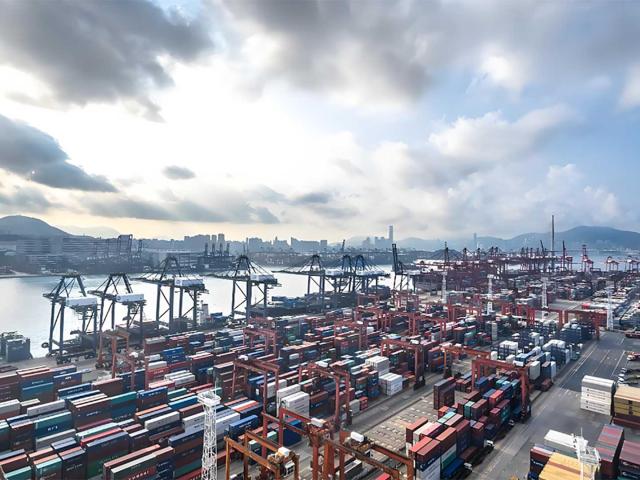
China-Hong Kong port logistics and Hong Kong port logistics refer to a modern logistics service system concentrated in port areas, utilizing ports as logistics nodes, integrating functions such as cargo handling, warehousing, distribution, and multimodal transport.
China-Hong Kong port logistics and Hong Kong port logistics services cover comprehensive logistics activities from mainland China ports to Hong Kong ports or vice versa, primarily including the following key stages:
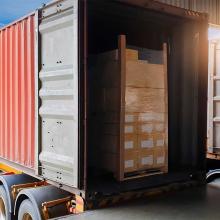
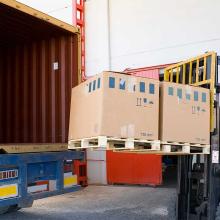
- cargo preparation and consolidation: Completing packaging, labeling, and initial inspection of goods at the factory or place of origin.
- Domestic transport: Using local vehicles to transport goods from the factory to the logistics company's transit warehouse in Shenzhen, Zhuhai, or other border cities.
- Customs declaration and clearance: Export declaration at Shenzhen Customs, followed by import clearance at Hong Kong Customs, involving document review, tax payment, and other procedures.
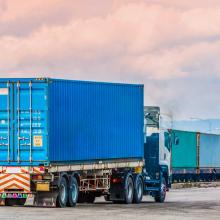
- Cross-border transport: Cross-border transportation via Hong Kong trucks (vehicles compliant with both regions' regulations), or using sea freight, air freight, and other modes based on cargo nature and customer requirements.
- Hong Kong transshipment: Upon arrival in Hong Kong, goods may be stored again at the logistics company's Hong Kong warehouse for subsequent distribution.
- Destination delivery: Finally, delivering goods to local destinations in Hong Kong or re-exporting to global destinations via the local distribution network.
Characteristics of China-Hong Kong port logistics
- efficient customs clearance: Benefiting from special policies under the "one country, two systems" framework, China-Hong Kong port logistics enjoys relatively simplified and efficient customs clearance processes.
- Multimodal transport: Combining land, sea, and air transport modes to provide flexible logistics solutions.
- Professional services: Numerous specialized China-Hong Kong logistics companies offer one-stop services covering packaging, transport, customs declaration, warehousing, and other aspects.
- Economic hinterland advantage: The vast manufacturing base in mainland China provides rich cargo sources for Hong Kong ports, while Hong Kong, as an international financial center and free trade port, offers broad international market access for goods.
Key factors affecting China-Hong Kong port logistics
- Waterways and water depth: Deep-water channels are prerequisites for large vessel berthing, directly impacting port capacity.
- Port facilities: Modern terminal facilities and efficient handling equipment are key to increasing throughput.
- Urban economy and hinterland: A strong economic hinterland and active urban economic activity can bring stable cargo flow to the port.
- Logistics network: efficient logistics distribution systems and multimodal transport convenience affect rapid cargo transshipment.
- Policy environment: Including tariff policies, trade agreements, and customs efficiency, significantly influencing port attractiveness.
Bofeng Logistics specializes in providing one-stop logistics services including domestic container shipping, international shipping (FCL/LCL), Hong Kong and Macau logistics routes, and tugboat, customs clearance, warehousing, etc. Contact number: 130-7567-8958 (Manager Huang), call now for a customized quote!
Related Logistics Services
Bofeng Logistics offers the following related services, feel free to inquire: