Conditions Affecting Temperature Inside Containers
Even if containers are loaded at the same location and time and transported on the same vessel, the temperature changes inside them can differ. This is because each container has specific conditions that affect its internal temperature. The main factors influencing container temperature are as follows.
1. Type of Container Used
Due to differences in the materials and thickness of the roof, sidewalls, and floor, the thermal conductivity (also known as the heat transfer coefficient) of each container varies. This means the degree to which a container is affected by external temperature depends on its type and form. Among maritime container materials, aluminum has a relatively high thermal conductivity, followed by steel, while plywood and fiberglass have lower thermal conductivity and can actually serve as insulating materials.
2. Stowage Position in the Container Yard
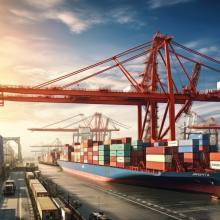
When loaded containers are stored in a container yard, their internal temperature can vary significantly depending on their stacking position. For example, containers stacked on the topmost layer experience greater daily temperature fluctuations due to direct sunlight and rain exposure compared to those in the middle layers. Additionally, since container yard floors are paved with concrete, the radiant heat from the concrete surface greatly affects the temperature inside containers. Therefore, from the perspective of condensation formation, it is not advisable to store containers in the yard for extended periods.
3. Stowage Position on the Container Ship
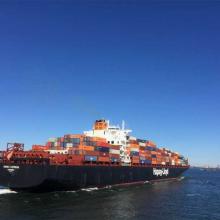
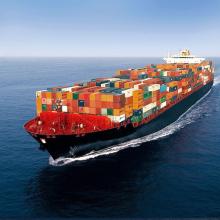
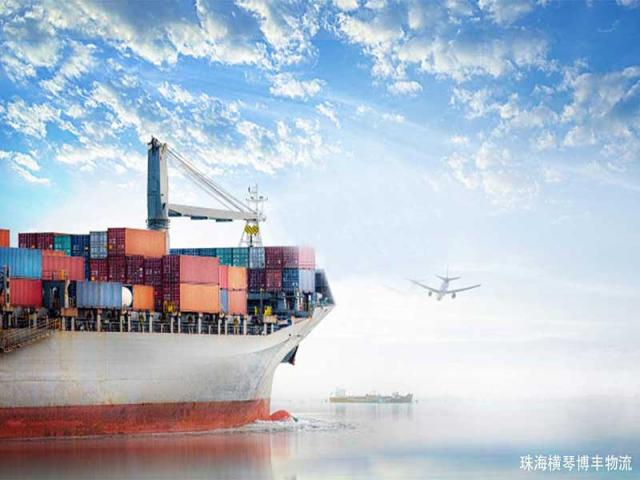
From a stowage perspective, containers on the uppermost deck—especially those at the bow and stern—are more susceptible to direct sunlight, which can cause high internal temperatures, or to wind, rain, and seawater spray, which can lead to sudden temperature drops. Thus, containers on deck have poor loading conditions. Conversely, containers stowed below deck benefit from much better conditions for two reasons:
1) The hatch covers of container ships are typically loaded with containers, so they are not directly exposed to sunlight.
2) Temperature variations below deck are primarily influenced by seawater temperature, which changes very little, resulting in more stable conditions inside the hold.
The stowage position of containers on a ship is determined by factors such as vessel trim, stability (righting ability), port handling capacity, and cargo type. However, aside from certain restrictions for containers carrying dangerous goods, oversized containers, or reefer containers, the principle is generally to stow open-top containers below deck and stack heavy containers under lighter ones.
Domestic Shipping Inquiry and Booking Hotline: 13075678958 Manager Huang (WeChat same as number)
Bofeng Logistics specializes in providing one-stop logistics services including domestic container shipping, international shipping (FCL/LCL), Hong Kong and Macau dedicated routes, as well as trucking, customs clearance, and warehousing. Contact number: 130-7567-8958 (Manager Huang). Call now for a personalized quote!
Related Logistics Services
Bofeng Logistics offers the following related services, feel free to inquire: