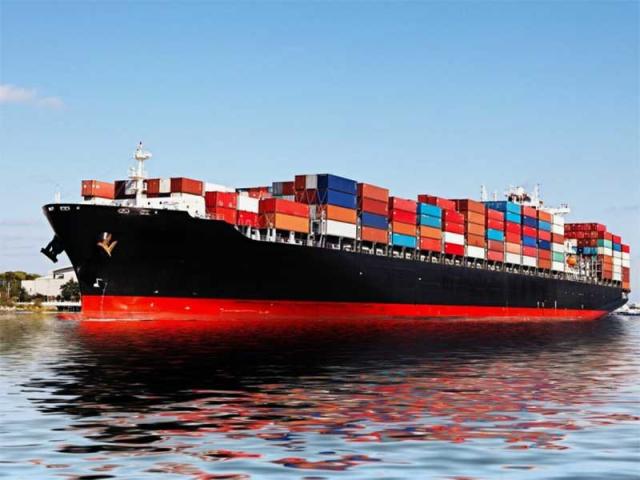
Container sweat damage refers to non-obvious physical damage to cargo inside a shipping container during maritime transport due to various natural factors or human causes. It primarily manifests as dampness, discoloration, mold, corrosion, etc., caused by moisture, water vapor penetration, or minor seawater ingress. This type of loss is often less immediately apparent than cargo breakage, loss, or fire, but it similarly affects the value and usability of the goods, with particularly severe consequences for moisture-sensitive or hygroscopic cargo.
Sweat damage includes two main types of condensation inside containers: "Sweat on Container" and "Sweat on Cargo." The former refers to water droplets condensing on the inner walls of the container, while the latter refers to water droplets directly forming on the cargo surface. Damage caused by these water droplets is called sweat damage.
Types of Sweat Damage:
- Causing spoilage and decay—such as fruits, vegetables, dried hides, and dry animal feed.
- Leading to surface rust—such as canned goods, metal products, machinery, motorcycles, and steel pipes.
- Promoting mold growth on cargo or packaging—such as tobacco, paper, lactose, malt, and pharmaceutical products.
- Causing discoloration—such as peanuts, etc.
Causes of Sweat Damage
- Natural Factors:
- Climatic conditions: Extreme weather encountered during sea voyages, such as storms or tropical cyclones, can cause seawater splashing or condensation, increasing internal container humidity.
- Temperature fluctuations: Differences in day-night temperatures or temperature variations across sea areas can cause condensation on container interior surfaces, forming water droplets that fall onto the cargo.
- Maritime process: During long voyages, high ambient humidity and the respiration of certain goods can also increase container humidity.
- Human Factors:
- Container defects: The container itself may have cracks, holes, or poor sealing, allowing rain or seawater to penetrate.
- Improper loading: Inadequate packaging, incorrect stowage practices, or poor ventilation can increase the risk of sweat damage.
- Operational errors: During handling and loading, if containers are improperly stacked or handled, water may ingress.
Prevention and Mitigation Measures
- Use high-quality packaging: For moisture-sensitive items, use waterproof and moisture-proof packaging materials, ensuring good sealing.
- Desiccants: Place appropriate desiccants around the cargo to absorb excess humidity inside the container.
- Inspection and maintenance: Check the container's sealing performance carefully before shipping, repair any damage promptly, and ensure door seals are intact.
- Correct loading: Follow proper cargo stacking principles to ensure adequate air circulation between goods, avoiding condensation formation.
- Insurance coverage: Purchase appropriate marine cargo insurance, including coverage for sweat damage, to mitigate potential financial losses.
Claims Processing
Once sweat damage occurs, the loss should be documented promptly, including taking photos, collecting weather reports, ship logs, and other related evidence, and immediately notifying the carrier and insurance company.
In summary, while sweat damage is a common risk in maritime container shipping, effective preventive measures and sound insurance planning can minimize losses and ensure that cargo arrives safely at its destination.
博丰物流专业提供国内集装箱海运、国际海运(FCL/LCL)、香港澳门物流专线及拖车报关仓储等一站式物流服务。联系电话:130-7567-8958(黄经理),立即致电获取专属报价!
Related Logistics Services
Bofeng Logistics offers the following related services, feel free to inquire: