EDI is the abbreviation for Electronic Data Interchange, which can be translated as "electronic data interchange" or sometimes as paperless trade. Simply put, it is the process of electronically transmitting business documents between an enterprise's internal application systems via computers and public information networks.
In other words, EDI is the process by which suppliers, retailers, manufacturers, and customers automatically exchange and process business documents between their respective application systems using EDI technology through a public EDI network.
It processes data according to internationally unified grammatical rules to conform to standard international formats and exchanges data through communication networks. It is a new form of business processing using computers.
Advantages of EDI Documentation
Advantages of EDI documentation: Reduces manual entry errors and improves document accuracy. Speeds up document processing and shortens customs clearance time. Reduces paper and mailing costs. Enables paperless international trade. EDI documentation is widely used in international trade processes such as customs declaration, booking, and bills of lading, and is an important tool for trade facilitation.
Application of EDI in Customs Clearance
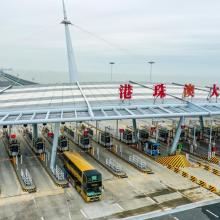
China Customs has fully implemented the EDI electronic customs declaration system. Enterprises can submit customs declarations, invoices, packing lists, and other documents online through the China International Trade Single Window, achieving paperless customs clearance. Advantages of EDI customs declaration: Increased efficiency (electronic document transmission takes only seconds), reduced errors (automatic data validation), lower costs (saving paper and labor), and faster customs clearance (customs can review in advance).
Currently, customs has achieved EDI declaration for major business areas such as customs declaration, inspection declaration, and Certificate of Origin application. Enterprises proficient in operating the EDI system can significantly improve customs clearance efficiency.
Bofeng Logistics specializes in providing one-stop logistics services including domestic container shipping, international shipping (FCL/LCL), Hong Kong and Macao logistics dedicated lines, as well as trucking, customs declaration, and warehousing. Contact: 130-7567-8958 (Manager Huang). Call now for a customized quote!
Implementation Methods of EDI System
Implementation methods of the EDI system include: Direct EDI (direct connection between enterprises), Value-Added Network EDI (through third-party platforms), and Web EDI (internet-based). Small and medium-sized enterprises can choose the Web EDI method for low cost and simple implementation. Large enterprises can choose the Direct EDI method for higher efficiency.
Bofeng Logistics supports the EDI documentation system to improve customs clearance efficiency. Contact: 130-7567-8958.
Application of EDI in International Trade
EDI technology is widely used in the exchange of international trade documents, including customs declarations, bills of lading, invoices, and packing lists. Using EDI can reduce document processing time from several days to just a few hours, significantly improving trade efficiency. More and more countries and ports require the use of EDI systems for customs declaration.
Related Logistics Services
Bofeng Logistics offers the following related services, feel free to inquire: