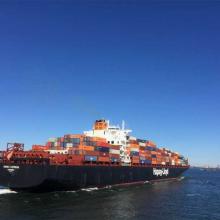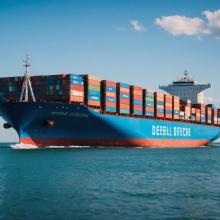
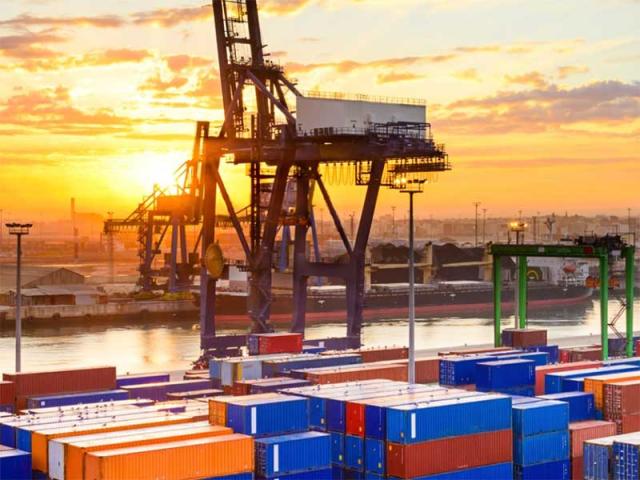
The container rules of freight conference, on some countries' container shipping routes, each conference monopolizes container transport on its own routes by formulating container transport rules for shippers. These rules are formulated by each conference based on the route conditions within their operational scope. Therefore, the content of the rules varies among conferences, but the basic spirit is the same, meaning the responsibilities of shipowners and shippers are identical. The container rules of freight conferences generally include the following aspects:
Container loading and discharging ports, feeder transport; explanations of specialized terms for container transport; responsibilities of shipowners and shippers under various transport and interchange methods; booking procedures and cargo data declaration; various clauses including bill of lading clauses, endorsement clauses, port clauses, and contingency clauses; bill of lading issuance; equipment interchange procedures, free time period usage, and demurrage charge calculation; cargo delivery procedures; freight calculation methods and payment; methods for calculating various expense items, regulations for rate changes; currency, devaluation, and revaluation regulations; inland transport regulations and charges.
Content of Freight Conference Container Rules
The container rules of freight conferences cover: container interchange standards, container inspection requirements, cargo loading specifications, dangerous goods transport regulations, etc. Complying with the rules helps improve efficiency and reduce disputes.
Impact of Conference Rules on Cargo Owners
Although the monopoly position of traditional shipping conferences has been significantly weakened, some reasonable practices within conference rules still influence modern shipping practices:
- Freight Rate Stabilization Mechanism — Shipping conferences avoid price wars through unified tariff schedules, providing cargo owners with a predictable rate environment.
- Service Standardization — Conference members follow uniform service standards and operational norms, ensuring a basic level of transport service quality.
- Route Coverage — Through slot chartering and route coordination among members, conferences expand the coverage of their route networks.
Currently, alliances have become the main form of shipping cooperation (e.g., 2M Alliance, Ocean Alliance, THE Alliance), replacing traditional shipping conferences. When selecting a carrier, cargo owners should pay attention to the alliance’s route network coverage and schedule reliability to obtain the optimal transport solution. Bofeng Logistics maintains good cooperative relationships with members of major shipping alliances and can offer clients competitive freight rates and space assurance.
Bofeng Logistics specializes in providing one-stop logistics services including domestic container sea freight, international sea freight (FCL/LCL), Hong Kong and Macau logistics dedicated lines, as well as trucking, customs declaration, and warehousing. Contact number: 130-7567-8958 (Manager Huang). Call now for a personalized quote!
Familiarity with the container rules of freight conferences helps improve transport efficiency and reduce trade disputes.
The Role of Shipping Conferences
Shipping conferences formulate unified transport rules and tariff standards, which help maintain market order. Cargo owners should understand conference rules to protect their own rights in the event of disputes. Bofeng Logistics offers consulting services on shipping conference rules.
Practical Application of Conference Rules
In actual business, shipping conference rules affect aspects such as freight pricing, container allocation, and division of transport liability. Cargo owners should understand the basic content of conference rules and pay attention to relevant clauses when signing transport contracts. Bofeng Logistics can assist clients in understanding conference rules and optimizing transport plans.
Related Logistics Services
Bofeng Logistics offers the following related services, feel free to inquire: