Client Background
Macau's infrastructure has been developing steadily in recent years—from public housing and light rail extensions to hotel and entertainment facility upgrades—driving strong demand for construction materials. Macau does not produce construction raw materials locally; the vast majority of sand, gravel, cement, steel, bricks, and other materials come from Guangdong and neighboring provinces, so the stability of the transport chain directly determines project progress. The protagonist of this case is a construction engineering enterprise undertaking a public housing and light rail supporting project in Macau, with huge demand for bulk building materials such as steel, cement, sand, gravel, and bricks, delivered in batches according to construction milestones. Steel and cement come from steel mills and cement plants in the Pearl River Delta, while sand, gravel, and bricks are sourced locally from Zhuhai and Jiangmen.
Material transport for public engineering projects differs significantly from commercial projects. First, large volumes and dense delivery intervals: public housing and light rail projects are massive in scale, with bulk materials like steel and cement supplied in monthly batches on a stable schedule—if supply stops, the entire workface grinds to a halt. Second, cost sensitivity: bulk heavy goods are billed by the ton, and the larger the shipment volume, the greater the room to optimize unit transport costs, meaning the logistics solution goes straight into the project cost sheet. Third, compliance thresholds: categories such as cement and rebar require import permits to be applied for in advance before entering Macau; the process must begin before shipment, not wait until the goods arrive at the port to complete the paperwork.
Construction material transport in Macau shares several industry-wide characteristics. First, it is highly dependent on mainland supply—sand, gravel, cement, steel, and finishing materials mostly come from Guangdong and neighboring provinces. Second, customs clearance is complex: materials entering Macau must go through both mainland export declaration and Macau import clearance. Third, transport modes are diverse: road transport via the Zhuhai ports offers fast transit and suits small batches at high frequency, while sea transport carries larger volumes per trip at lower cost, making it ideal for bulk heavy goods. Fourth, timing requirements are strict: construction sites have clear schedules for material arrival, and delays can result in costly work stoppages. Bulk materials for public projects come in large volumes and stable batches—exactly the scenario where road and sea transport should be combined according to cargo volume and delivery deadlines, rather than relying on a single mode end to end.
For this engineering enterprise, bulk building material logistics is not just about "getting the goods there," but about supply assurance that follows a plan, a budget, and a schedule—how much steel arrives when, and how much cement is delivered to the site at what time, directly affects site scheduling and cash flow planning. Previously, the project's bulk materials were handled by fragmented resources arranged in separate segments: the mainland leg, the sea leg, and the port leg were each managed independently, making unified batch planning impossible and leaving both cost and timeliness unsatisfactory. For public engineering projects, the choice of logistics solution is also written directly into bid proposals and cost estimates, and the room for optimizing transport costs has a non-negligible impact on project profitability.
What the enterprise needs is a logistics partner capable of connecting the entire chain—"supply sourcing, sea-plus-road transport combination, import permits, and phased delivery"—replacing multi-segment subcontracting and ad hoc scheduling with a single point of responsibility and a single integrated plan.
Key Challenges
- High cost of relying solely on road transport: Bulk heavy cargo is billed by the ton; if all of it is hauled by full truckload, the number of trips is high and the unit price is high. The cost pressure is especially obvious for heavy goods such as steel and cement;
- Import permits hold things up: Cement and rebar require advance import permit applications. In the past, the paperwork was only remembered when the goods arrived at the port, and the goods were already delayed before the permits were approved, often affecting several days;
- Batch schedules are hard to unify: Resources arranged in stages are fragmented, with steel, cement, and aggregate under different carriers. Batch arrival times are uneven, disrupting the site's receiving plan, and unloading windows crowd each other out;
- Insufficient coordination between bulk handling and site entry: Bulk building materials require cranes and forklifts to be in place upon arrival. In the past, arrival times did not match the site's receiving hours, leading to situations where trucks arrived with no one to receive them, or there were work areas but no materials.
These challenges combined directly manifest as "waiting for materials and stopping work" and "cost out of control"—for public works projects whose schedules are measured in milestones, any link failing costs far more than the freight itself.
Transport Requirements
- Route: Shenzhen Shekou / Guangzhou Nansha → Macau Inner Harbour (sea freight); Zhuhai / Jiangmen → construction site (land transport), combined shipping, door-to-door;
- Cargo volume: Large quantity, stable batches. Steel and cement supplied in monthly batches; sand, gravel, and bricks flexibly allocated according to construction site needs;
- Lead time: Sea freight 1–2 days, land transport same-day delivery (2–6 hours), scheduled delivery according to site entry time slots;
- Special requirements: Import permits for cement and rebar must be obtained in advance (allow 5–10 working days); heavy cargo billed by ton; coordinate crane/forklift availability for bulk arrivals; count and sign batch by batch;
- Billing method: ALL-IN inclusive (transport + customs clearance + delivery), unified quote for combined sea + land transport;
- Insurance: Full coverage for bulk building materials, claims payable in case of loss or damage.
Solution
Bofeng customizes a "sea + land transport combination" bulk material supply solution for projects, integrating supply sourcing, import permits, and phased delivery into a plan-driven chain:
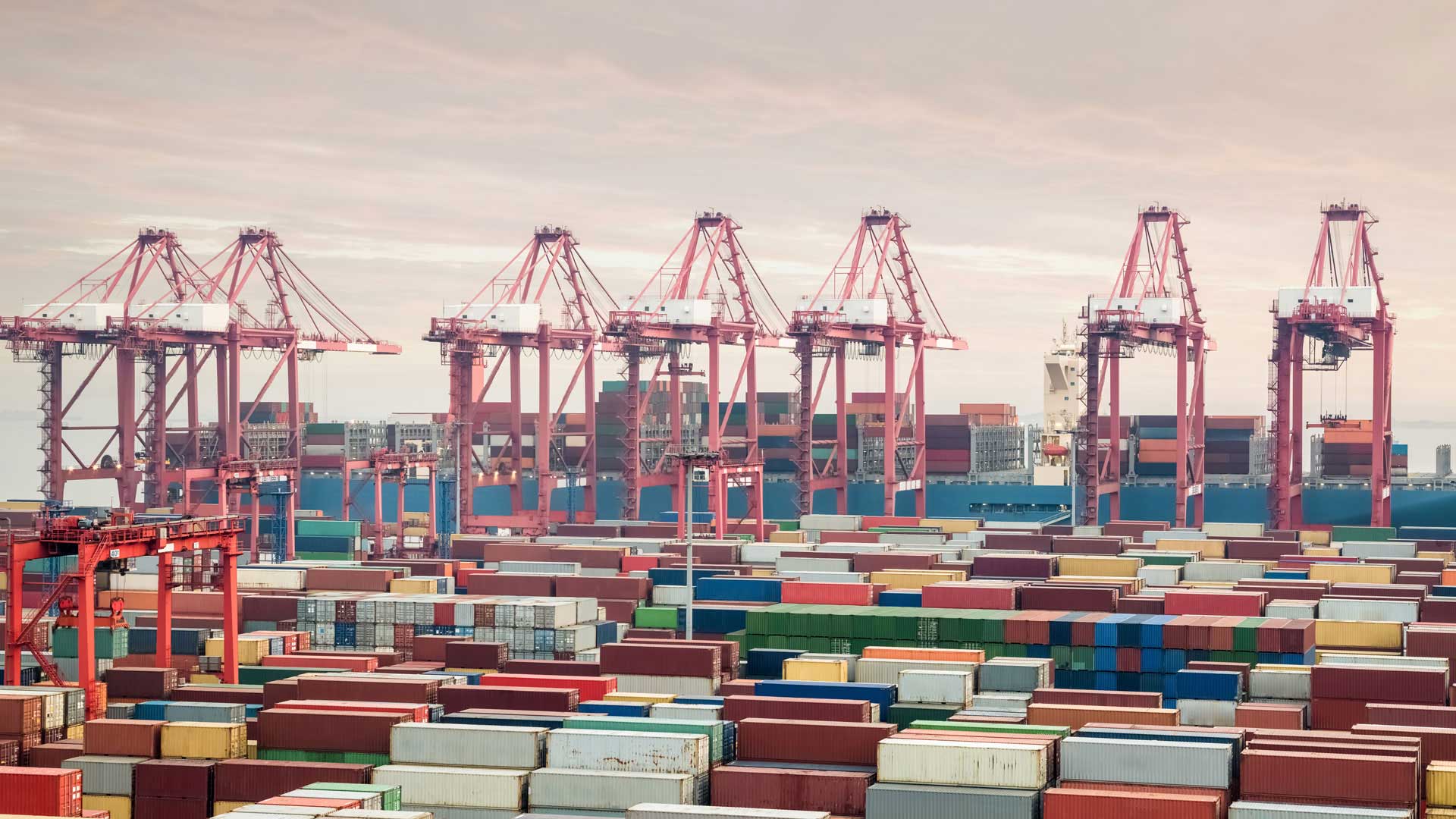
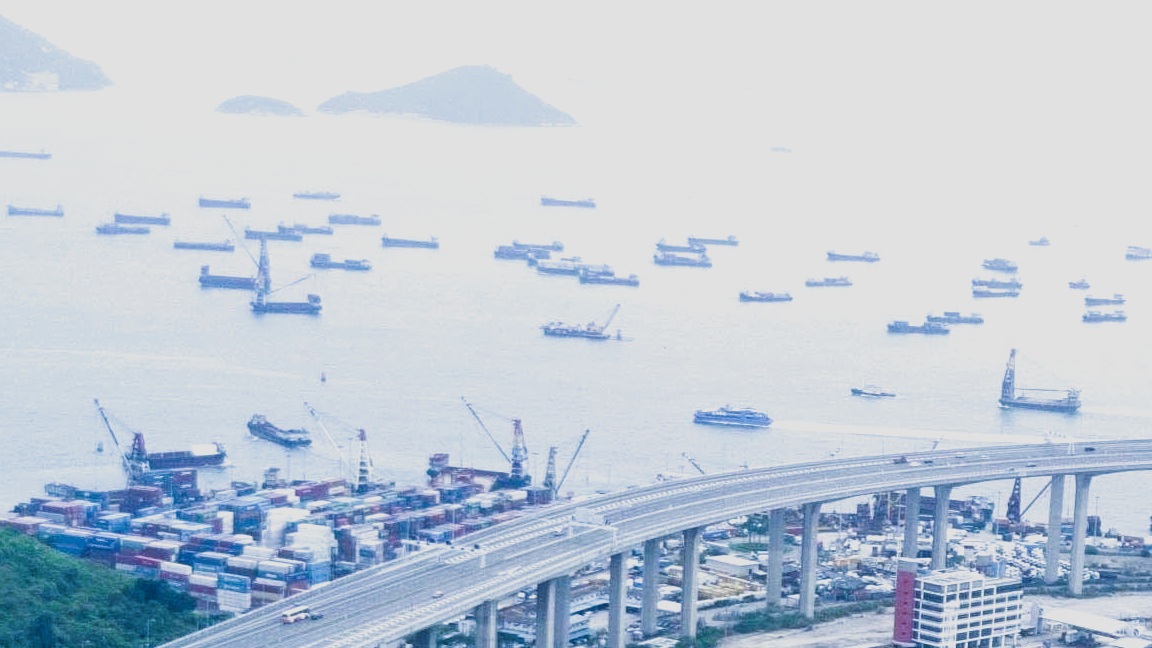
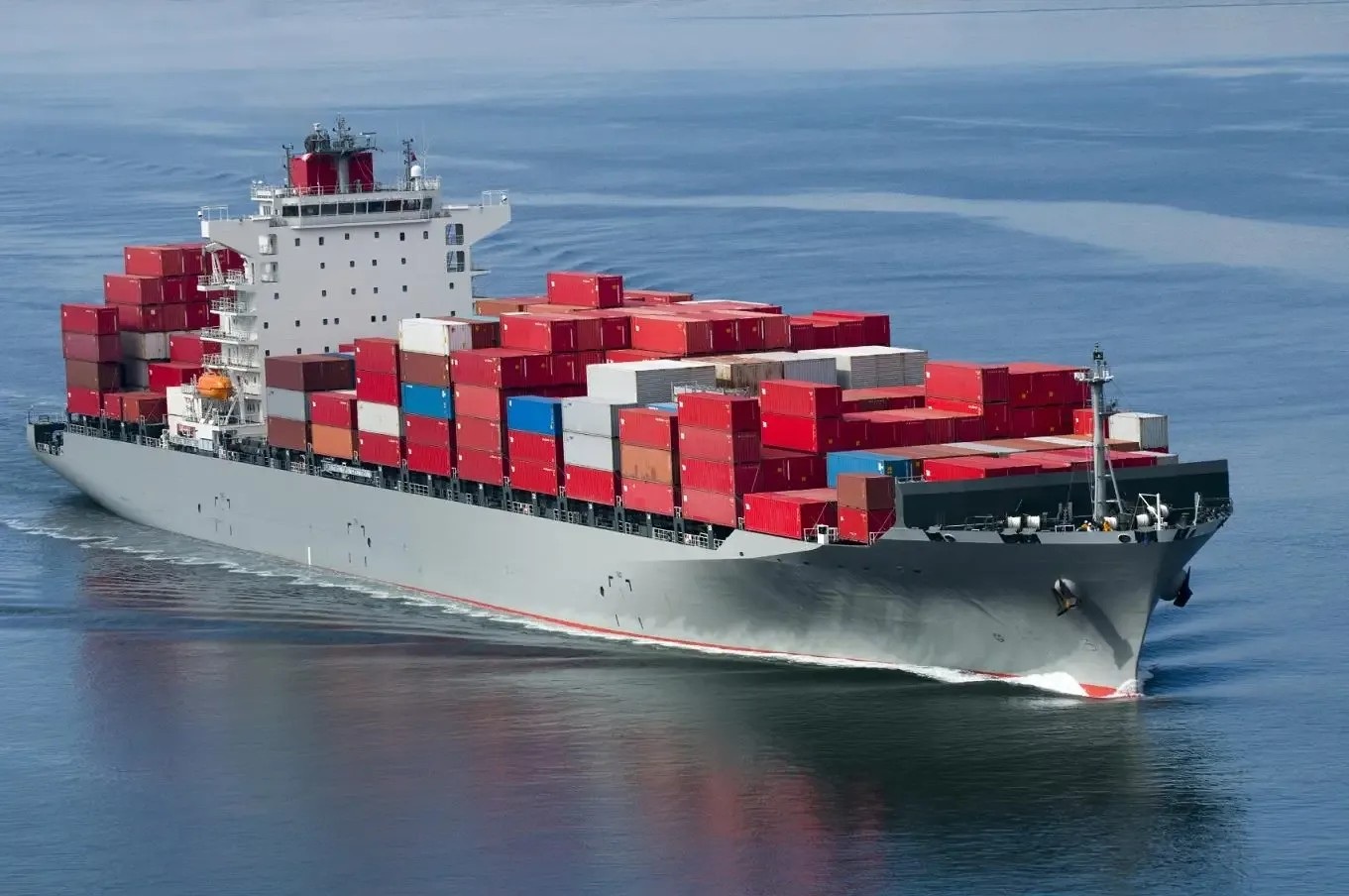
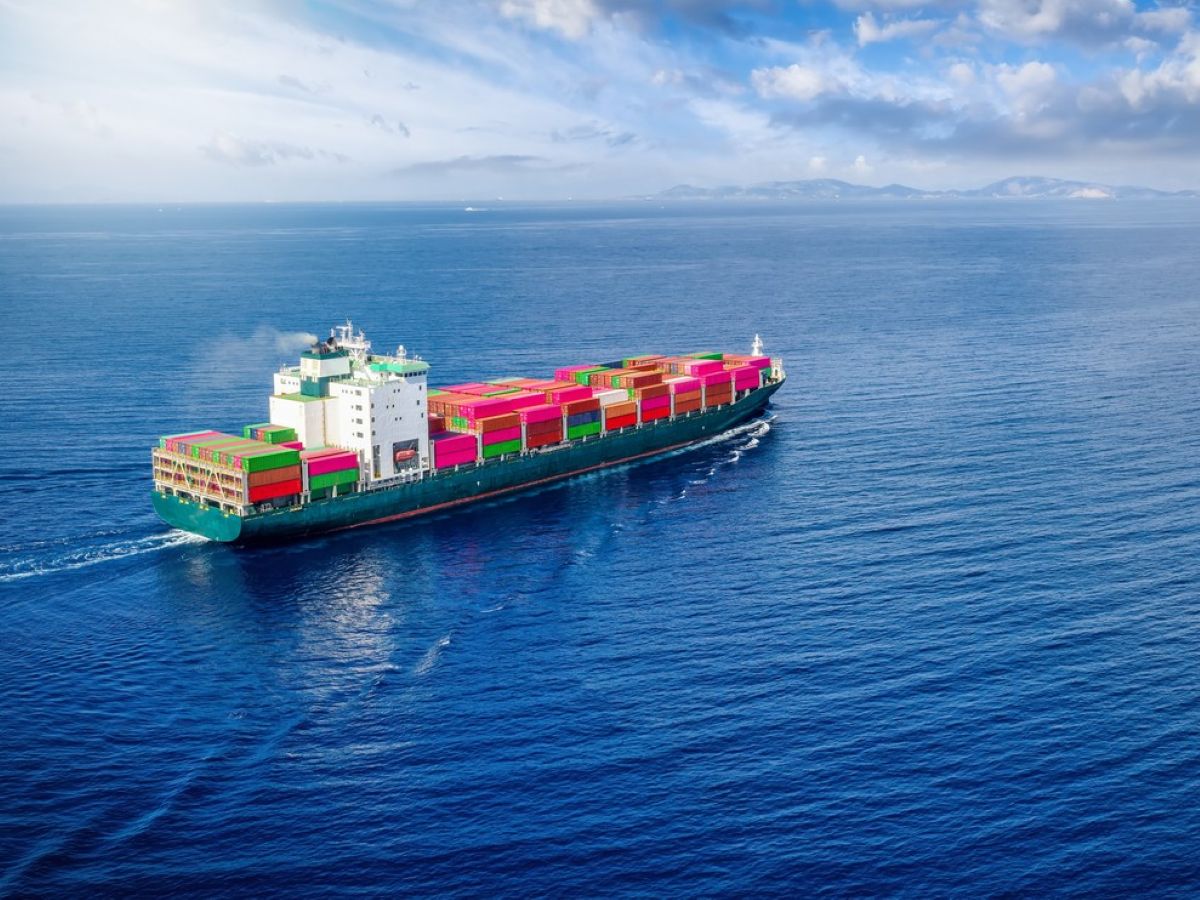
- Sea + land transport combination for cost reduction: Heavy bulk goods such as steel, cement, sand, and gravel are shipped by sea — from Shenzhen Shekou Port or Guangzhou Nansha Port via barge to Macau Inner Harbour Pier, with large load capacity per trip and low unit cost, taking 1-2 days by sea; materials sourced near the construction site (such as sand, gravel, and bricks from Zhuhai and Jiangmen) are transported by land via the Hong Kong-Zhuhai-Macau Bridge, arriving the same day. Heavy goods go by sea, urgent goods by land, mixed according to volume and delivery lead time to reduce unit transport costs; bulk carriers suit large-volume sand, gravel, cement, and steel, while containers suit moisture-sensitive cargo and high-value materials — vessel type is selected based on cargo attributes; materials from western Zhuhai and the Jiangmen direction can enter Macau via the Hengqin checkpoint when needed, with customs clearance taking 25-40 minutes, then direct delivery to the Cotai site after leaving customs;
- Import permits processed in advance: Cement and rebar are categories requiring pre-applied import permits; the permit application is initiated before the first shipment, allowing 5-10 working days for processing; Macau is a free port, and most building materials are exempt from import tariffs. With complete documentation, the overall tax burden is small — the key is "permits first, documentation first";
- Monthly batch planning + phased delivery: A monthly shipping plan is developed according to the construction schedule; steel and cement arrive steadily in batches, while sand, gravel, and bricks are flexibly allocated based on site demand; each batch confirms the delivery time window and unloading conditions with the site in advance — unload upon arrival, sign upon completion;
- Per-ton pricing + one-ticket all-inclusive package: Heavy goods are charged per ton and light, bulky goods per volume; sea and land transport are combined into a unified quote, with transport, customs clearance, and delivery all at one flat price. The project cost table can be estimated in advance, without being disrupted by segmented quotes or temporary surcharges;
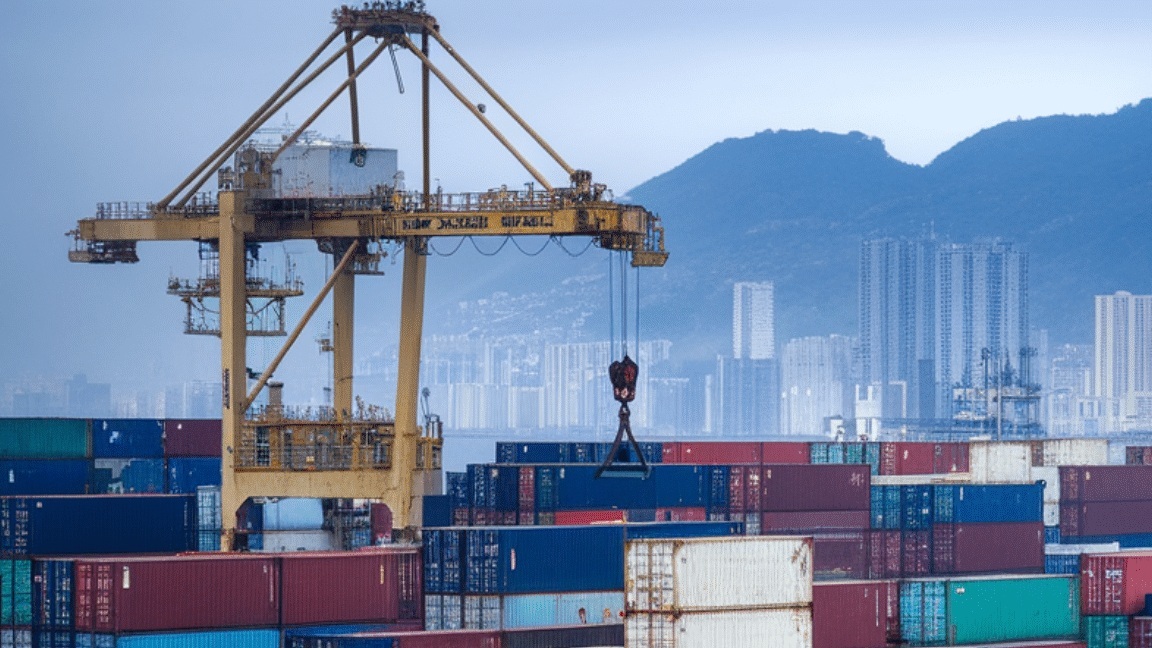
- Loading/unloading equipment coordination: For bulk steel arrivals, crane lifting and positioning are arranged; for cement, sand, and gravel, forklifts and conveying equipment are arranged — the site does not need to maintain its own loading/unloading crew; after bulk carriers arrive at Macau Inner Harbour, trailers are arranged to transfer goods to the site, with no gaps in the handover;
- Exception coordination: In the event of uncontrollable factors such as typhoons or vessel delays, the shipping plan is adjusted immediately and site delivery time windows are rescheduled to minimize the impact on construction.
Taking a typical month as an example: at the beginning of the month, steel and cement are shipped in 2 batches each as planned; in the middle of the month, 4-6 truckloads of sand, gravel, and bricks are allocated according to site demand; at the end of the month, progress gaps are filled. Sea freight batches are unloaded at the Inner Harbour and transferred to the site by trailer, while land freight batches arrive directly the same day. Bulk materials arrive as planned throughout the month, so the site never needs to scramble on short notice.
The key to this solution is turning "transportation" into a "supply plan": monthly shipping volumes are defined by the construction schedule, sea freight batches lock in vessel schedules and permits in advance, and land freight batches flexibly supplement according to site demand. Documentation is prepared before dispatch, and delivery time windows are confirmed before arrival. For the contractor, the arrival of bulk materials shifts from "an uncertain input" to "a schedulable resource," and the certainty of the supply chain directly translates into continuous site operations and stable cash flow planning. Arrival times are predictable, so the payment schedule for materials and logistics costs becomes stable as well, making the project's overall financial planning more manageable.
Results
The table below compares cycle data for 84 batches of bulk materials over six consecutive construction months (same period before and after cooperation). The data table is the core of this case:
| Metric | Before Cooperation (Segmented, Scattered Scheduling) | After Cooperation (Sea + Land Transport Combined) | Improvement |
|---|---|---|---|
| Monthly dispatch batch stability | Uneven batches, concentrated at month-end | Steady 12-15 batches/month | Significant improvement |
| On-time site delivery rate | Approximately 90% | 98% | Improved by about 8 percentage points |
| Average delivery cycle per batch | 3-5 days | Within 2 days | Shortened by about 40% |
| Unit cost of heavy bulk goods | Segmented pricing relatively high | Combined sea and land transport by ton | Reduced by about 25% |
| Work stoppages awaiting materials | 1-2 times per month on average | Not occurred in the past 12 months | Significant decrease |
Looking at the monthly data, the stable batching plan has stopped the site material supply pattern of "tight at the start of the month, rushed at the end": 12-15 batches arrive evenly throughout the month, and the on-time delivery rate remains steady at 98%; with the combination of 1-2 days by sea plus same-day arrival by land, the average delivery cycle per batch has been compressed to within 2 days; after heavy bulk goods switched to sea freight, the unit transport cost fell by about 25%, directly entering the savings line of the project cost sheet. For the site, the most visible change is "materials waiting for the workface" rather than "the workface waiting for materials". Rebar and cement arrive on schedule, and construction scheduling is not interrupted by logistics. The four bulk categories—steel, cement, sand and gravel, and bricks—are planned on a monthly rolling schedule. A shortage of any one category would show up directly in the delivery plan, so the monthly shipment volume is reconciled with the site in advance, keeping the probability of shortfalls low.
The continuous monthly data also shows that during peak periods of main structure construction, when bulk materials are most intensive, the on-time delivery rate is actually more stable—because the batching plan and advance import permits were established from the outset, relying on planning rather than remediation. For similar public housing, light rail, and large public works projects, this process of "sea + land transport combination + advance permitting + batching plan" is replicable. The company has already applied the same approach to material supply for the next light rail ancillary contract section.
Data Statement: The above are case-specific data (as of July 2026), reflecting the performance of this particular client during the cooperation period, and do not constitute a service commitment.
The two parties have entered the second year of cooperation. The above data are case records of continuous bulk material site deliveries for public housing and light rail supporting projects over the past 12 months.
Client Testimonial
"Bulk goods like steel and cement used to be transported entirely by land — many trips, high costs, and deliveries often clashed with the construction site's receiving hours. Now heavy cargo goes by sea and urgent cargo by land, with permits arranged in advance and deliveries arriving on a monthly or per-batch schedule. The construction site has basically never had to wait for materials again."
—— Feedback from a customer of Bobo Logistics' Macau logistics dedicated line (published with authorization and desensitized)
Need a similar logistics solution? Contact us — a plan within 30 minutes.
Phone:13075678958 | WhatsApp:+86 13075678958 | Email:info@zhbfwl.com
Get a Quote