Client Background
htmlA Shenzhen electronics trading company that exports consumer electronic products and accessories, with products mainly sold to the Southeast Asian market. The company's business model is not single large-volume shipments, but rather "multiple batches, fast turnover": downstream customers are distributed across Malaysia, Indonesia, Thailand and other countries, and many orders first arrive in Singapore before being distributed to surrounding countries through local trading partners. As the largest container hub port in Southeast Asia, the Port of Singapore has high route density and a well-established transshipment network, making it the most common transit point for this type of regional distribution.
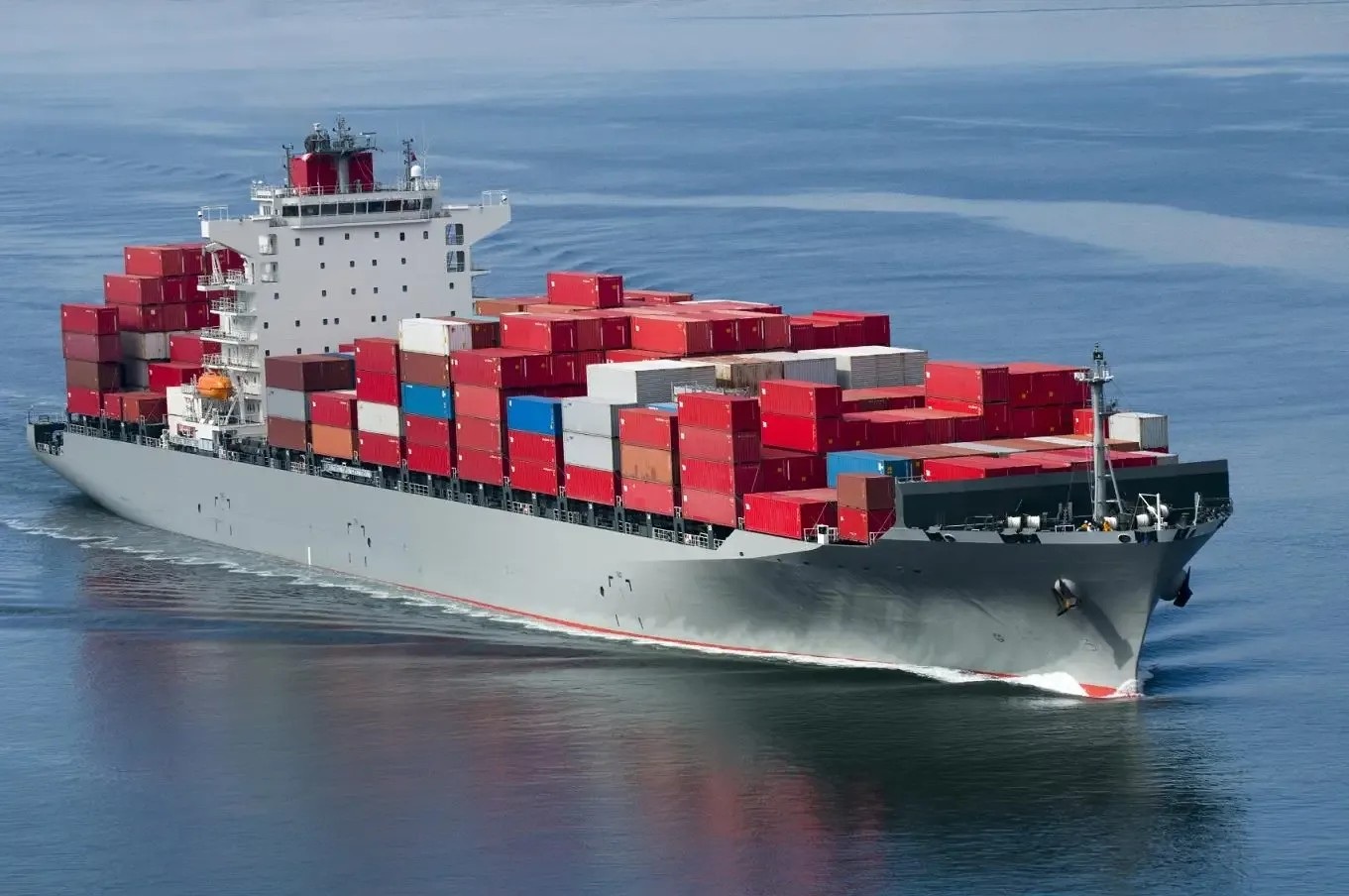
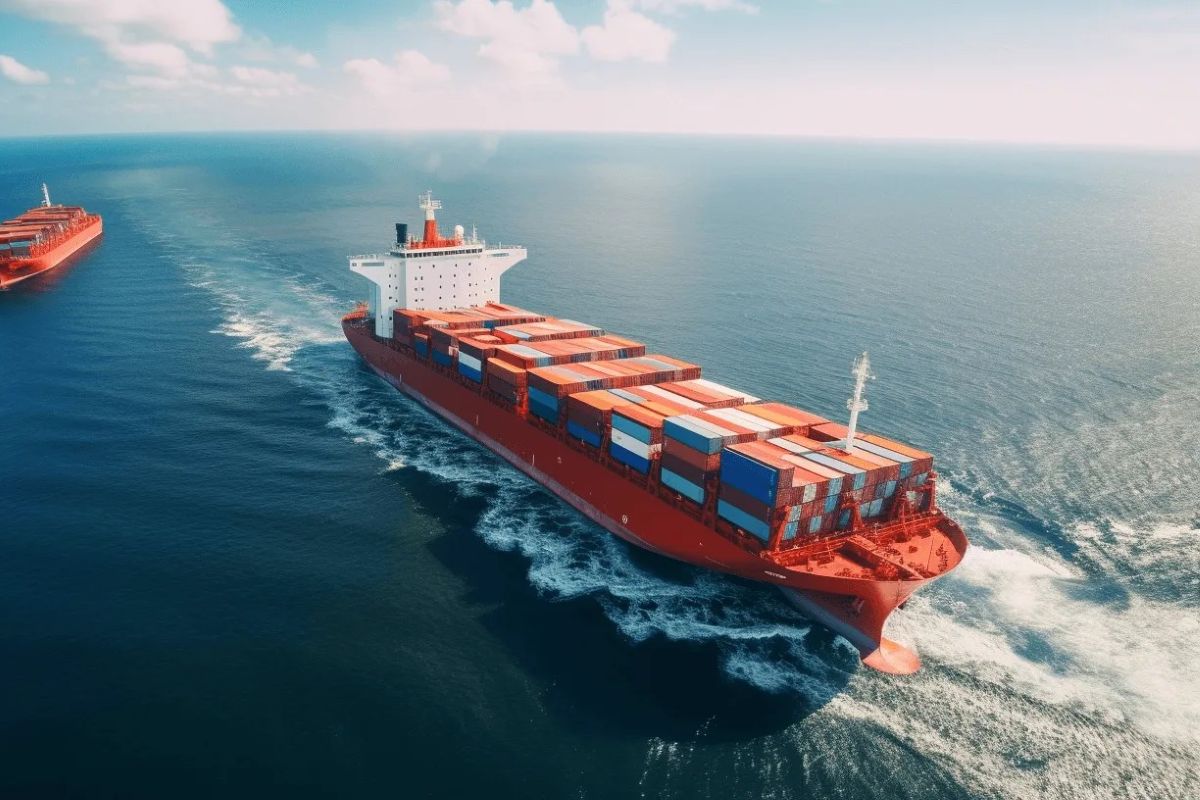
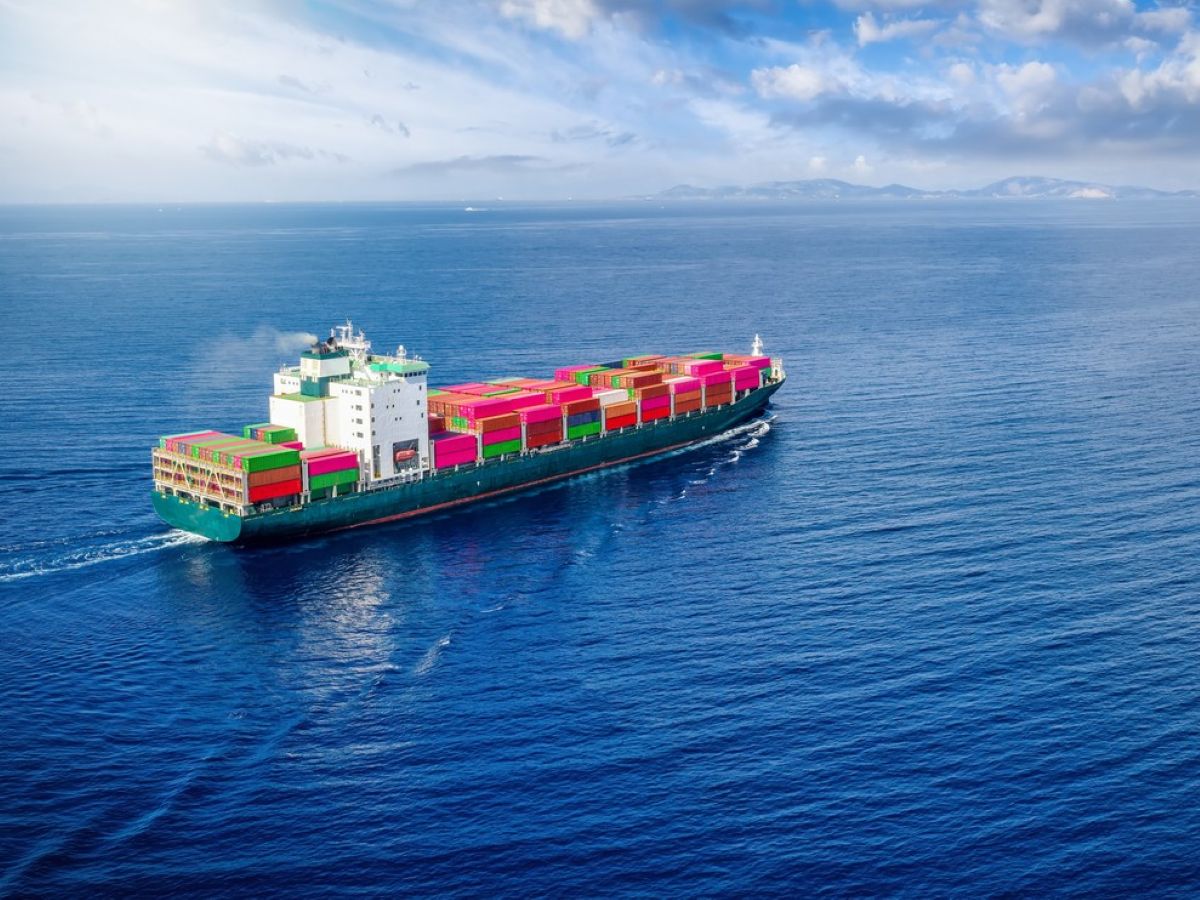
The company's main shipping method is FCL (Full Container Load) by sea, primarily using 40HQ containers. Southeast Asian routes have short voyage times and frequent sailings; sea freight from Shenzhen to Singapore typically arrives within a few days, which makes "fast turnover" possible — the faster goods arrive at port, the sooner containers are picked up and customs cleared, and the faster capital is recovered, which is the most important consideration for trading companies. Previously, the customer handled logistics resources on their own, with arbitrary sailing schedule choices and loose operational coordination, so the advantages of short shipping routes were not fully realized, and both shipping rhythm and capital turnover were less than ideal.
For electronics trading companies, the core of Southeast Asian FCL sea freight is not "whether the route is long," but "whether turnover is fast": with easy booking, appropriate sailing schedules, and tight operational handoffs, goods can move in and out quickly. This is exactly what the customer hopes a professional service provider can help streamline.
Key Challenges
The challenges under the old model are concentrated in four areas:
- Casual selection of sailing schedules: The Shenzhen→Singapore route has frequent departures, but different schedules vary in voyage duration and the order of destination port calls. Previously, bookings were made just to get "a ship" without matching cargo volume and customs clearance deadlines. There were cases where transshipment schedules were booked, stretching the voyage to nearly two weeks and completely negating the advantage of fast turnover.
- Loose operational coordination: Container loading, customs declaration, port entry, and departure were followed up separately by different personnel, with poor coordination between steps. This extended the time from loading to departure, and some containers waited several days at the port before the ship sailed.
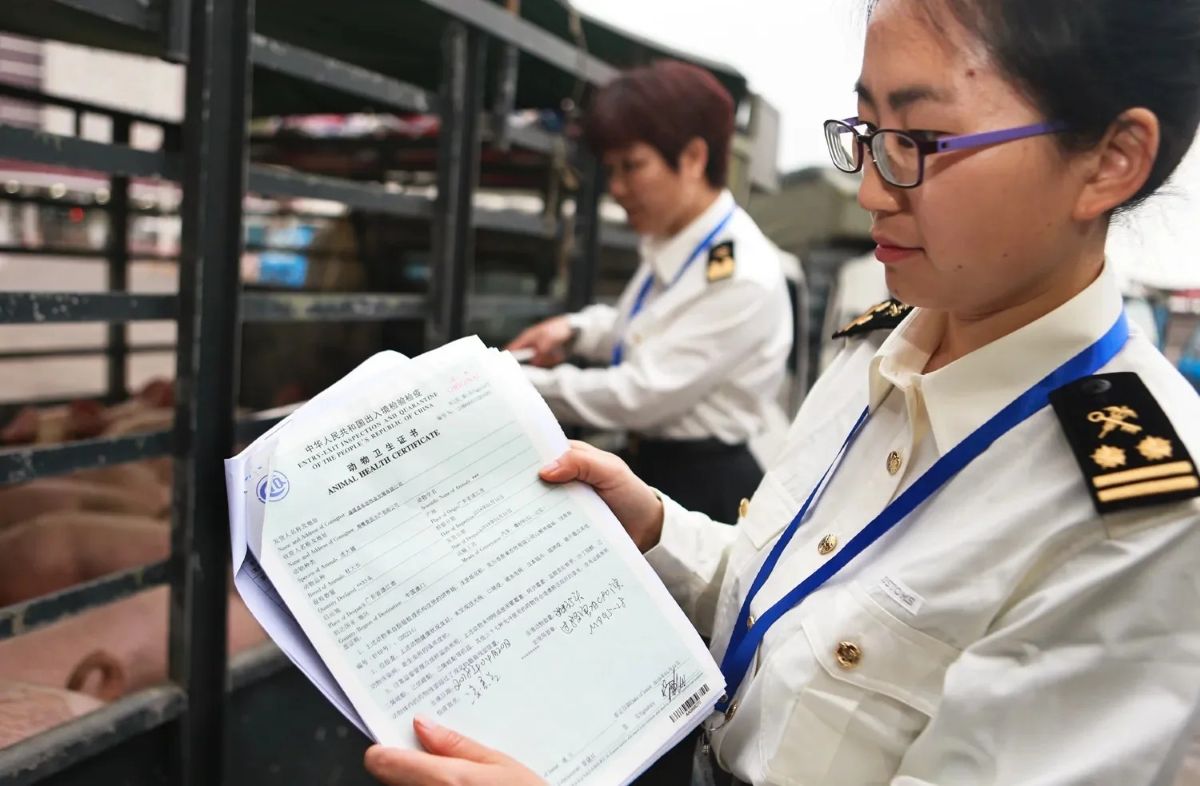
- Frequent rework of customs declaration documents: The descriptions of product names, models, and uses for electronic goods require great detail. Previously, the declaration documents were not standardized, so repeated supplements and revisions were needed during customs clearance, which repeatedly slowed down the overall pace.
- Volatile capacity during peak season: In the second half of the year, capacity tightens during Southeast Asia's restocking season, and last-minute bookings may be postponed, affecting downstream customers' replenishment plans.
Among these challenges, schedule matching and operational coordination are the two that customers care about most—for short routes, the voyage is already short, and if time is wasted in booking and operations, fast turnover is out of the question.
Transport Requirements
- Route: Shenzhen → Singapore Port, FCL ocean freight, port-to-port (after arrival customs clearance, consignee picks up container);
- Volume: 8-12 x 40HQ per month, increasing to 12-16 during peak season (Sep-Dec);
- Transit time: arrival at port 3-7 days after loading; loading-to-sailing operation time compressed to within 2 days;
- Customs declaration: general trade declaration, standardized declaration of electronic product name/model/use, pre-review in advance;
- Special requirements: prioritize direct sailing schedules to match cargo volume and customs cutoff times; coordinate arrival customs clearance guidance with container pickup; if transshipment via Singapore to neighboring countries is needed, coordinate local transshipment arrangements;
- Settlement and insurance: settlement per container with clear billing; transport insurance covers the ocean leg, insured for full value based on cargo value.
The customer's core demand is "speed": suitable sailing schedules, compact operations, so that every shipment arrives at port in the shortest total time, accelerating capital and inventory turnover.
Solution
Bofeng customizes for customers a full-container port-to-port solution combining "optimized sailing schedules, coordinated operations, standardized customs declaration, and arrival coordination":
- Optimized sailing schedule matching: Match the direct sailing schedule from Shenzhen to Singapore based on the customs clearance deadline of each shipment, prioritizing shipping lines with the shortest transit time and stable frequency; lock in space in advance during peak seasons to avoid delays from last-minute bookings. Direct sailings keep the transit time stable at 3–7 days, eliminating the extended duration caused by transshipment;
- Tight operational coordination: Booking, customs declaration, trucking and container loading, port entry, and departure are uniformly scheduled by a project specialist. Customs declaration is submitted on the same day as container loading, and after entering the port, the shipment is prioritized for the nearest available departure, compressing the operation time from loading to departure to within 2 days and reducing cargo dwell time at the port;
- Pre-review of customs declaration documents: Establish a template for electronic product export declaration lists—standardizing product name, model, material, and intended use item by item—and pre-review documents before loading to avoid rework in declaration;
- Arrival coordination and distribution: After arrival in Singapore, provide customs clearance and container pickup guidance to help consignees quickly pick up containers; if distribution via Singapore to neighboring countries such as Malaysia and Indonesia is required, coordinate local trucking and customs clearance resources to ensure a smooth regional distribution chain;
- End-to-end visibility: The status of each milestone—container loading, departure, arrival, and container pickup—is synchronized in the system, with automatic alerts and dedicated follow-up for exceptions (e.g., schedule changes, inspection notices). For more complete schedules and service coverage of this route, please refer to the China-Singapore International Sea Freight Logistics Line and Complete Export Sea Freight Process.
This solution unifies the pace of the four stages—sailing schedule, operations, customs declaration, and arrival: the customer is responsible for stock preparation and container loading, while Bofeng handles compact execution from booking to arrival. For customers, the advantage of the short voyage is fully unleashed—each shipment moves in and out quickly, reducing inventory occupancy and significantly accelerating capital turnover.
Results
| Metric | Before Cooperation | After Cooperation | Improvement |
|---|---|---|---|
| Average transit time | Baseline | Reduced by 30% | Preferred direct sailings |
| Container loading to vessel departure operation time | Baseline | Compressed to 2 days | Unified scheduling |
| Customs declaration anomaly rate | 8% | 1% | Standardized documentation templates |
| Peak season space availability rate | 75% | 96% | Early space booking |
Data statement: The above is case data (data as of July 2026, based on actual shipment batches during the cooperation period), reflecting the case-specific performance during the client cooperation period and does not constitute a service commitment; this case is adapted from actual carriage experience with desensitization, and client information has been omitted as per authorization requirements.
After cooperation, every batch of goods follows the direct sailing schedule, with the full transit time stable within a few days; the operation time from container loading to vessel departure is compressed, and cargo no longer waits idly in the port area; the one-time customs clearance pass rate has significantly improved, with no more repeated rework; peak season space is locked in advance, allowing downstream customers' replenishment plans to be executed as expected. For traders, the most direct feeling is faster capital turnover—the faster the goods arrive and the smoother the container pickup, the shorter the payment cycle, and the same capital can turn over more batches in a year.
The key to this solution is turning the "natural speed" of short routes into "actual speed": the voyage is already short, and by ensuring proper schedule matching, operational coordination, and customs documentation standards, the overall transit time can be stably compressed. For export traders who also focus on Southeast Asia as their main market and pursue fast turnover, this combination of "direct sailing optimization + compact scheduling + standardized documentation" is worth referencing. This solution is applicable to export traders shipping full containers and seeking fast turnover; when cargo volume fluctuates greatly and it is difficult to consolidate into full containers, flexible shipping with a mix of LCL and FCL can be considered.
The two parties have entered the second year of cooperation, and the above data is the case record of consecutive shipments over the last 12 months.
Client Testimonial
"The Southeast Asia route is actually close, but it used to feel slow. Later I realized the sailing schedule wasn't chosen well and operations were sluggish. Now with direct sailings scheduled in advance, container loading and customs clearance are seamlessly connected, goods arrive in Singapore much faster, and cash flow is smoother. No need to worry about space being unavailable during peak season either."
— Feedback from Bofeng Logistics' international shipping customer (published with authorization and anonymized)
Need a similar logistics solution? Contact us — a plan within 30 minutes.
Phone:13075678958 | WhatsApp:+86 13075678958 | Email:info@zhbfwl.com
Get a Quote