Client Background
A domestic electromechanical manufacturing enterprise relies on imported precision parts and samples for the supporting components of its core products. The company purchases precision parts, samples, and spare parts in small batches from 3 to 5 suppliers in Germany, the Netherlands, and Italy. Each supplier's shipment volume is about 0.5-3 CBM, with a single batch totaling about 5-10 CBM. The reason for choosing European suppliers is their stable technical standards and good quality consistency. The procurement structure of small batches and multiple suppliers also gives the enterprise more flexibility in selecting product varieties and batches, with lower capital occupation and lower trial-and-error costs.
For importing enterprises, the logic of import logistics is the exact opposite of export: it is a reverse chain—European suppliers ship, overseas cargo consolidation and LCL packing, sea freight import, customs clearance at the destination port (China), container stripping and pickup, and then distribution to the factory. Among these, import customs clearance and destination-port container stripping and distribution are the two most critical links. Previously, the enterprise mainly relied on international express shipping charged by kilogram. Under the structure of small batches, multiple shipments, and multiple suppliers, transportation costs remained high. It also tried consolidating a full container for import, but due to inconsistent delivery schedules among suppliers, waiting for a full container took several weeks, increasing both capital occupation and waiting costs simultaneously. How to control costs while gathering the goods scattered across Europe to Shenzhen on schedule, clearing customs smoothly, and delivering them accurately to the factory is the issue the enterprise most wants to solve.
Key Challenges
The challenges in the old model centered on four areas:
International express shipping charges by the kilogram, so costs rise with each batch: Suppliers ship in small, scattered lots through international express, which is billed per kilogram. Individual shipments often weigh only tens to hundreds of kilograms, and when converted at the per-kilogram rate, the unit transport cost is very high. With many small batches, high frequency, and multiple suppliers combined, the cumulative annual express freight is considerable. This is especially uneconomical for shipments with small per-lot weight and high frequency, such as samples and spare parts.
Consolidating full containers takes a long time and ties up substantial capital: Suppliers' delivery schedules are not aligned, and waiting to fill a full container often takes weeks. While goods are in transit, payment has already been made, so capital occupation and waiting costs rise together. Even when a container is barely filled, a delay by one supplier can hold up the entire batch, pushing back the overall arrival time. Some samples and urgently needed spare parts may miss their application windows, affecting product development and production line maintenance schedules.
Incomplete import documentation obstructs customs clearance: Import declarations require complete documentation—invoice, certificate of origin, packing list, contract, and so on—with consistent declaration elements. In the past, these documents were issued independently by each supplier, so formats and elements were not uniform. Some suppliers only issued proforma invoices with missing elements, and the gaps were discovered only after arrival at port, requiring repeated supplementation. This consumed free storage time and could also cause missed opportunities to apply for tariff preferences. Sometimes suppliers, unable to distinguish import declaration requirements, mixed returned goods and repair items into general trade declarations, adding uncertainty to customs document review.
Port pickup and distribution to multiple receiving points are troublesome: After arrival at port, procedures include exchanging documents, customs declaration, duty payment, inspection, release, and pickup, followed by distribution to the factory and multiple receiving points. With so many steps and loose coordination, cargo tends to stay at the port for a prolonged period. After customers pick up the goods themselves, they still have to arrange separate deliveries, turning one arrival into multiple trips and adding logistics and labor costs.
Among these, the documentation issue was the most memorable lesson for the customer. A batch of imported parts was held up at Shenzhen Port because the certificate of origin issued by the supplier did not match the declaration elements on the invoice—product name, specifications, and origin information did not align. The cargo remained at the terminal for several days, and the factory production line once stalled while waiting for materials. That delay made the company realize for the first time that the bottleneck in imports is often not transportation but documentation: no matter how fast the goods move, if the documents are stuck, the goods cannot reach the factory. A review found that the problem lay in "only checking documents after the cargo arrived at port." The documents had not been uniformly checked before shipment, and the materials submitted by various suppliers had incomplete elements and inconsistent standards, so corrections could only be made on an ad hoc basis after arrival—delaying both customs clearance and the production line. Afterward, the company switched to "pre-shipment documentation review": invoices, certificates of origin, packing lists, and contracts are checked shipment by shipment; certificates of origin are compared item by item with product names and declaration elements; and a customs clearance specialist updates the documentation checklist weekly and checks off each item before every shipment. This avoids the need to supplement documents after arrival at the source and gives customs clearance, duty payment, and release a predictable rhythm.
Transport Requirements
- Route: European consolidation (unified receiving and LCL consolidation at Hamburg/Rotterdam consolidation warehouses) → Shenzhen Port, import LCL, deconsolidation upon arrival, then distribution and delivery to factories and multiple delivery points;
- Cargo volume: Approximately 5–10 CBM per batch in total, with individual supplier volumes ranging from 0.5 to 3 CBM, procured in multiple rolling batches within the period;
- Consolidation schedule: Goods enter the warehouse according to the fixed warehouse cutoff time; suppliers must deliver before the cutoff, and missed shipments are postponed to the next consolidation batch. LCL consolidation typically takes 3–7 days longer than FCL, which should be factored into procurement lead times;
- Lead time: Deconsolidation after arrival takes about 1–2 days; all import clearance steps (arrival document exchange → customs declaration and duty payment → inspection and release → cargo pickup) are coordinated seamlessly, and overall delivery-to-factory time can be predicted to day-level milestones;
- Import documents: Invoice, certificate of origin, packing list, contract, and bill of lading (surrender the house bill of lading, HBL, to obtain the delivery order, D/O). A unified pre-review is conducted before shipment, and certificates of origin are checked shipment by shipment and used for preferential duty applications;
- Billing basis: Charged by revenue ton (RT) (whichever is greater of volume and weight), with a minimum charge of 1 CBM. Small shipments are apportioned by actual volume, so there is no need to wait or tie up capital to fill a full container;
- Special requirements: Overall coordination of import clearance with a dedicated person following up on inspections; after deconsolidation, goods are sorted and delivered by consignee and purpose; shipping marks must be clear and durable, and packaging reinforced to a protection level suitable for multiple handling operations to avoid mix-ups or damage during deconsolidation and distribution.
The customer's core demand is "collect completely, clear smoothly, and distribute accurately": goods from European suppliers are consolidated on schedule, import clearance proceeds without hiccups, and after arrival and deconsolidation, goods are accurately distributed to factories and each delivery point—turning production scheduling and spare parts management from "waiting for goods" into "receiving goods as planned".
Solution
Bofeng customizes import LCL (less-than-container-load) solutions for clients, combining "overseas consolidation + import clearance coordination + destination port devanning and distribution," and front-loads the most error-prone consolidation and documentation steps in the import chain:
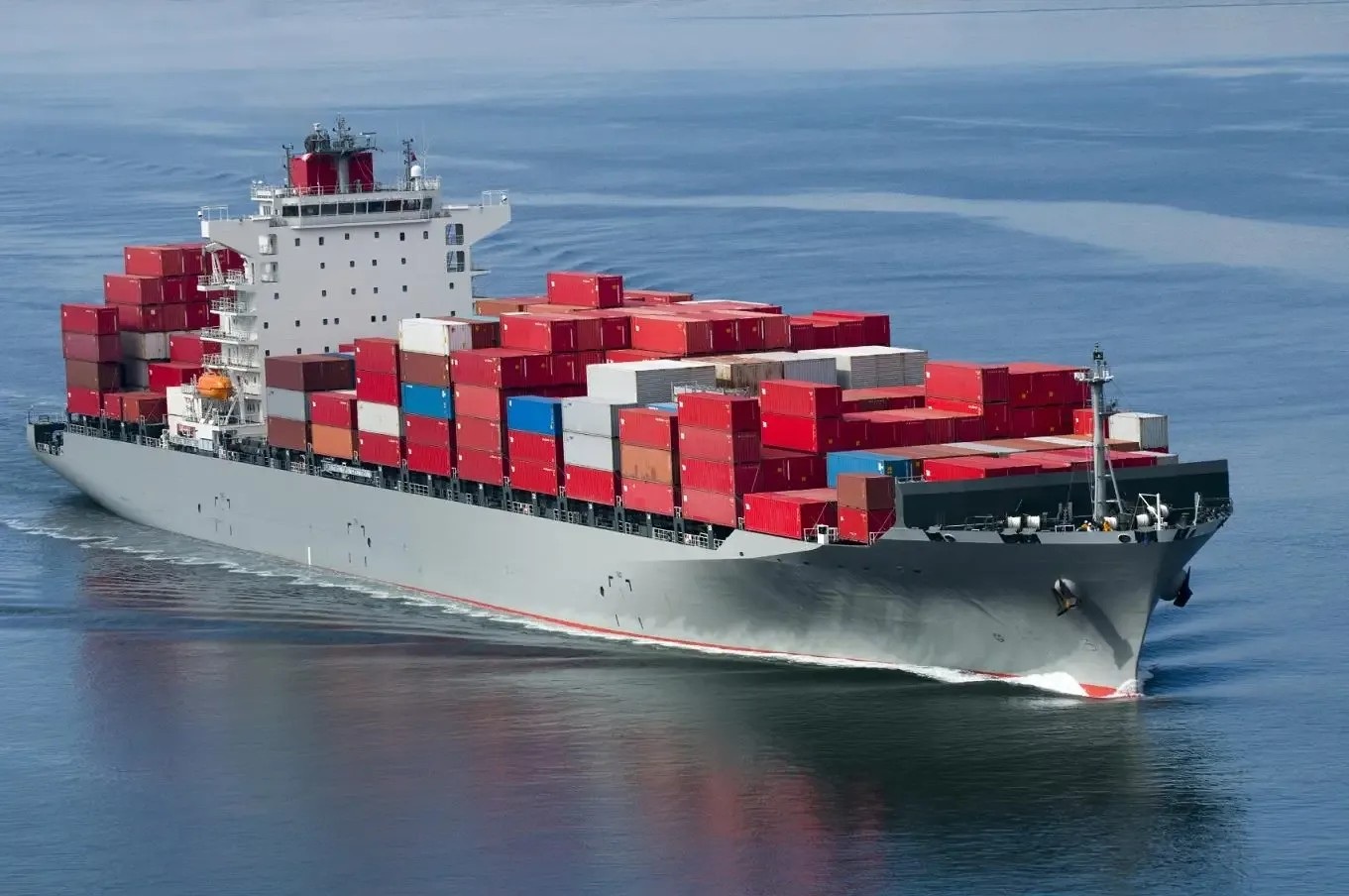
Door-to-port consolidation in Europe: Consolidation warehouses are set up in Hamburg and Rotterdam. Suppliers deliver nearby into the warehouse, and the European agent receives and counts goods in a unified manner. The consolidation warehouse has a fixed weekly cutoff time; suppliers must deliver before the cutoff, and missed goods are rolled over to the next consolidation batch. Upon arrival, goods are counted, photographed, and the arrival status is uploaded, so clients can see in the system whether each supplier's goods have arrived. After warehousing, goods are separated and sorted by supplier and shipping marks, with standardized mark identification and reinforced packaging, then consolidated into one container for shipment. This replaces scattered express shipments from individual suppliers with a single sea freight consolidation, reducing the number of parcels and freight costs at the source. For the complete operating logic of import LCL, refer to Detailed Guide to International Sea Import Process: Complete Guide to FCL and LCL Import Operations;
RT-based billing reduces small-volume import costs: Charges are based on the greater of volume or weight, with a minimum of 1 CBM. For 5-10 CBM shipments, there is no need to fill a full container, and freight is apportioned by actual volume. For small-volume, high-density goods, the weight ton is taken as the larger value. The invoice itemizes each item based on the greater of volume and weight, making the billing standard transparent, verifiable, and auditable. Compared with international express billed per kilogram, the transport cost for the same batch of goods drops significantly, and it also avoids the capital occupation of waiting to consolidate a full container, allowing higher ordering frequency for samples and spare parts;
Import clearance coordination and pre-review of documents: Declaration preparations are completed before arrival, and declaration is submitted immediately when the vessel arrives. Dedicated personnel follow up on each step from arrival and document exchange to customs declaration and duty payment, inspection and release, and cargo pickup. Customs clearance starts as soon as the mate's receipt is obtained, reducing post-arrival operation time. Before shipment, all import documents are pre-reviewed—invoices, certificates of origin, packing lists, and contracts are checked item by item. Certificates of origin are compared one by one against product names, specifications, and declaration elements, and shipment proceeds only after consistency is confirmed. Tariff preference certificates are also pre-reviewed along with the documents. Declaration elements are unified according to customs tariff classification standards, with consistent wording for product names, specifications, and uses, avoiding queries caused by inconsistent descriptions from different suppliers for the same goods. The applicability of tariff preferences under the certificate of origin is confirmed with suppliers before shipment, and the certificate content is checked item by item, avoiding missing tariff preferences due to non-compliant certificate elements after arrival. Together, these measures reduce the probability of customs clearance obstruction at the port of destination; for shipments subject to inspection, materials are prepared in advance and dedicated personnel are present to cooperate. For related billing and process details, see Detailed Explanation of Sea Freight LCL Operations: LCL Transport Process and Fee Guide;
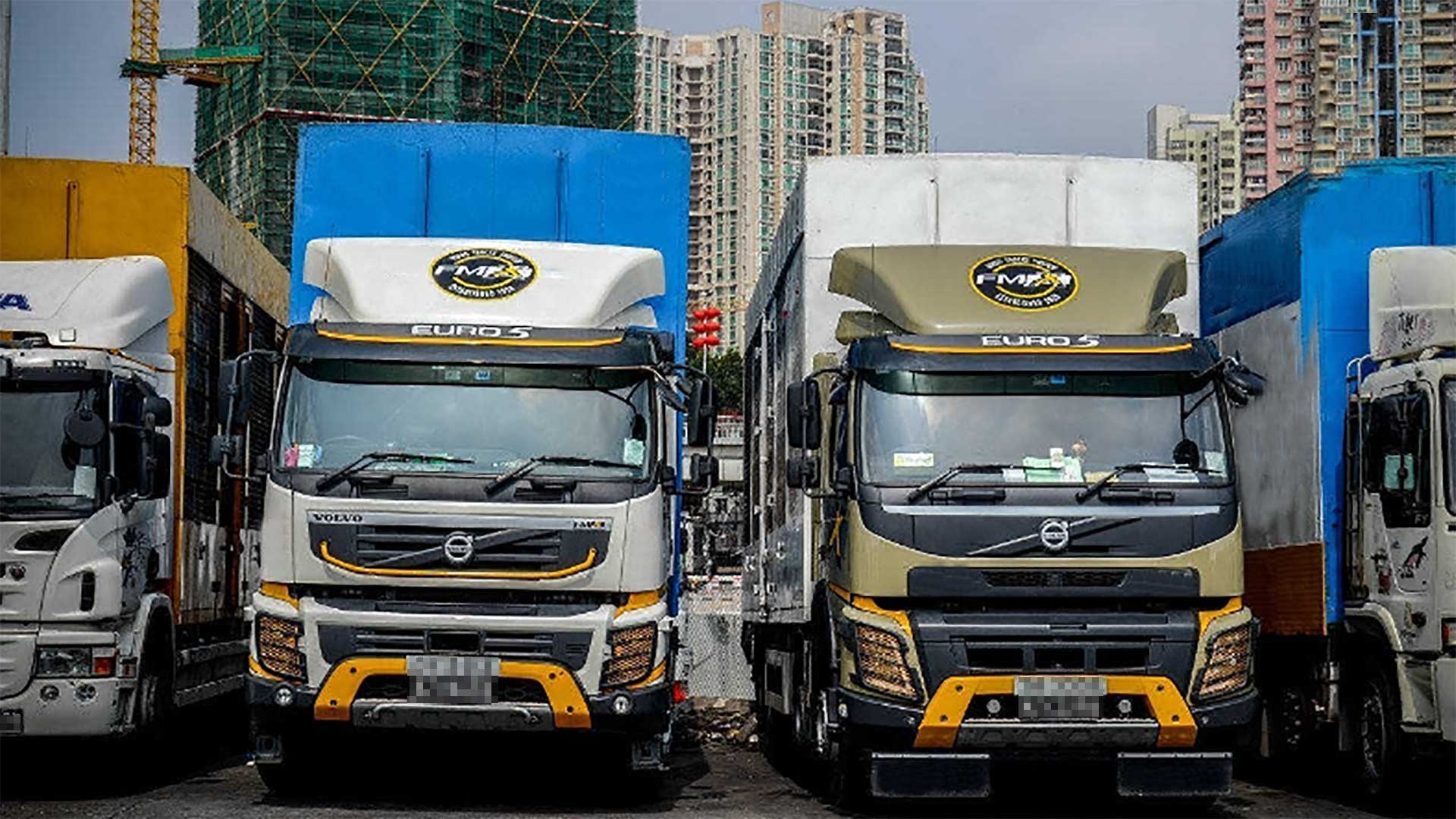
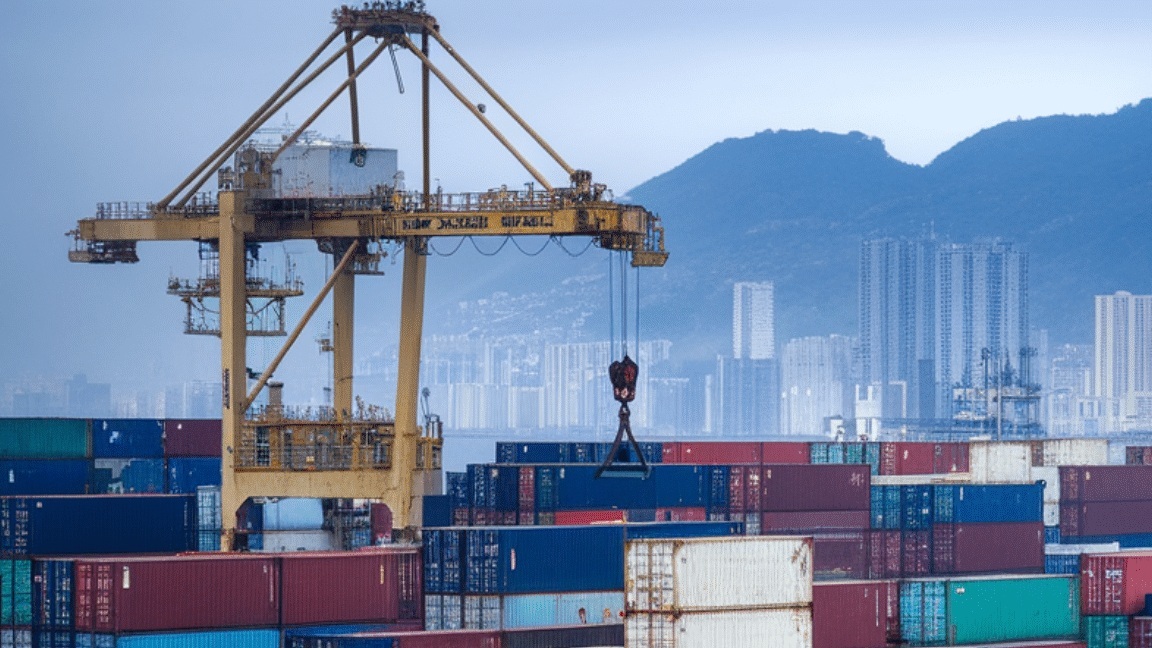
Destination port devanning and distribution: Devanning in Shenzhen takes about 1-2 days after arrival. During devanning, pieces and marks are checked item by item against the consignee's list. Before distribution, delivery time windows are booked with the factory and each receiving point, and delivery is scheduled by consignee and purpose. Clients do not need to pick up goods at the port themselves and then make multiple transfers, reducing labor and time costs;
End-to-end visibility and exception handling: The status of each node—consolidation, sailing, arrival, declaration, release, devanning, and distribution—is synchronized in the system, with early warning for exceptions and dedicated personnel following up. Inspection risks for mixed containers are truthfully communicated—if any shipment in the container is selected for inspection, the client is notified in advance and the release progress is tracked. Mark identification is standardized, packaging is reinforced against multiple handling, and fragile items are protected with edge guards and cushioning, keeping the risks of multiple LCL links and frequent handling within a predictable range.
This solution links the "consolidation, billing, clearance, devanning, and distribution" of import LCL into a standard chain: the client provides the purchase contract and basic information, and Bofeng is responsible for the entire process from consolidation in Europe to distribution in Shenzhen, with the status of each node visible to the client at any time and dedicated personnel handling exceptions. Clients no longer need to chase up individual suppliers or each leg of transport themselves. For clients, import changes from "getting busy only when the goods arrive at port" to "everything prepared before shipment, with all nodes traceable throughout."
Please note that import LCL is suitable for small-volume goods of about 15 CBM or less per batch. When the volume approaches a full container, evaluating an FCL import solution is recommended. For urgent or time-sensitive shipments, air freight import is recommended to avoid affecting production schedules due to waiting for LCL consolidation.
Results
| Metric | International Express (Before Cooperation) | LCL Sea Freight (After Cooperation) | Improvement |
|---|---|---|---|
| Import transportation cost | Baseline | Reduced by approx. 30% | Cargo consolidation |
| Customs clearance delays / document supplement requests | Frequent | Reduced by approx. 70% | Pre-review before shipment |
| Customs clearance release time | Baseline | Shortened by approx. 40% | Document pre-review + dedicated follow-up |
| Destination port devanning and distribution cycle | Baseline | Shortened by approx. 25% | Process coordination |
| Predictability of arrival at factory / receiving time | Difficult to predict | Day-level milestones | Process transparency |
| Procurement rhythm planning | Sporadic shipments | Fixed consolidation cycle | Rolling plan |
Data statement: The above are case-specific figures (data as of July 2026, based on actual shipment batches during the cooperation period), reflecting this client's individual performance during the cooperation period and do not constitute a service commitment. This case is an anonymized adaptation based on actual carriage experience; client information has been omitted as authorized.
After cooperation, goods from European suppliers were consolidated at the Hamburg / Rotterdam consolidation warehouses for LCL shipment. Import transportation costs dropped by approximately 30% compared with the previous international express approach. Batches were shipped on a rolling basis according to a fixed consolidation cycle; the additional 3–7 days required for consolidation were incorporated into procurement scheduling and no longer affected production plans. With pre-shipment document review, elements such as invoices and certificates of origin were aligned for each shipment, significantly reducing customs clearance delays and document supplement requests at the destination port. Over the last 12 months of shipments, there were no further customs holds caused by mismatched certificate-of-origin details. At the Shenzhen port, devanning and distribution steps were tightly coordinated, shortening the cycle by approximately 25%.
Arrival time at the factory became predictable to day-level milestones. Factory production lines and spare parts management shifted from "waiting for goods" to "receiving goods as planned." Distribution dispatching followed the recipient's scheduled appointment windows, so factory and receiving-point delivery times could be arranged in advance. Multi-batch rolling procurement made spare parts arrivals for sample development and production line maintenance more predictable. The company transformed import logistics from "following the documents" to "following the plan." With greater certainty in distribution and factory delivery, it could also schedule sample trial production and batch material preparation in finer detail, truly integrating import logistics into procurement and production planning.
Data scope: Import transportation cost was compared based on actual freight rates for LCL versus international express for the same shipment volume. Customs clearance delay frequency was counted based on batches delayed by document issues among shipments in the last 12 months. Devanning and distribution cycle was measured from completion of devanning at the destination port to sign-off at the final receiving point.
The value of this solution lies in handling the document and customs clearance links that are most prone to bottlenecks in import LCL shipments upfront, with dedicated coordination, turning imports from "busy only after arrival at the port" into "fully prepared before shipment." For companies with small-batch import needs from Europe, constrained by express costs and customs compliance, this combination of "overseas consolidation + document pre-review + customs clearance coordination + devanning and distribution" is worth referencing—especially for scenarios with scattered cargo, multiple suppliers, and high requirements for import document compliance.
It should be noted that import LCL is suitable for small-batch cargo within approximately 15 cubic meters per shipment. When cargo volume approaches a full container, importing via FCL should be considered. Urgent or time-sensitive goods may be imported by air freight. The three modes should be selected based on cargo volume and lead time requirements, each with its own applicable boundaries.
Cooperation between the two parties has entered its second year. The above data are case records from 12 consecutive months of shipments.
Client Testimonial
"Previously, various suppliers sent scattered express shipments, freight costs were high, and each issued its own documents. When the cargo arrived at the port, it was often held up by documentation, leaving the production line passively waiting for materials. Now, on the European side, cargo is consolidated into LCL shipments. Documents are verified before shipment, customs clearance at the port is smooth, and the time for devanning and distribution to the factory is clear. Small-batch imports have become much easier."
— Feedback from a Bofeng Logistics international ocean freight LCL customer (published with authorization and anonymized)
Need a similar logistics solution? Contact us — a plan within 30 minutes.
Phone:13075678958 | WhatsApp:+86 13075678958 | Email:info@zhbfwl.com
Get a Quote