1. What is Statutory Inspection?
1.1 Definition
Statutory Inspection refers to compulsory inspections on import and export commodities listed in the Catalogue of Commodities Subject to Statutory Inspection, as stipulated by the Law of the People's Republic of China on Import and Export Commodity Inspection. Statutory inspection commodities that have not passed inspection are prohibited from being sold, used (imported), or exported.
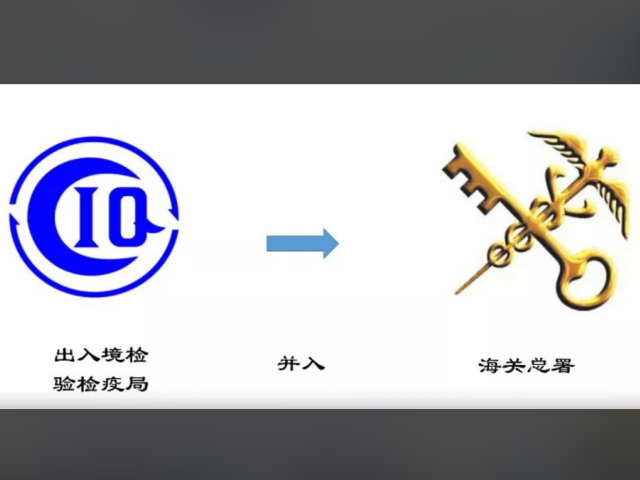
In 2018, the original China Entry-Exit Inspection and Quarantine Bureau (CIQ) was officially merged into the General Administration of Customs, implementing "customs and inspection integration" — enterprises can complete both customs declaration and inspection declaration in a single submission, without separate processes.
1.2 Why is Statutory Inspection Necessary?
- Safety: To prevent commodities that do not meet safety standards from entering domestic or international markets.
- Health: To ensure the safety of food, cosmetics, and consumer goods.
- Environmental Protection: To prevent the import and export of commodities with excessive hazardous substances.
- Anti-Fraud: To prevent discrepancies between declared and actual commodity composition or specifications.
2. Which Commodities Require Statutory Inspection?
2.1 How to Identify Statutory Inspection Commodities
If the regulatory condition code for an HS code contains A (import statutory inspection) or B (export statutory inspection), the commodity is subject to statutory inspection.
| Regulatory Condition Code | Meaning | Requirement |
|---|---|---|
| A | Import Statutory Inspection | Subject to statutory inspection upon import; can only be sold or used after passing. |
| B | Export Statutory Inspection | Subject to statutory inspection upon export; can only be exported after passing. |
How to Check: 1. Enter the HS code on the "China International Trade Single Window". 2. Check the "Regulatory Conditions" column. 3. If it shows A or B, the commodity requires statutory inspection.
2.2 Common Categories of Statutory Inspection Commodities
Export Statutory Inspection (B) Common Commodities:
| Category | Specific Products |
|---|---|
| Food | Frozen meat, aquatic products, vegetables, canned goods, seasonings, beverages |
| Cosmetics | Skin care products, color cosmetics, perfumes |
| Toys | Plastic toys, electric toys |
| Daily Consumer Goods | Ceramics, glassware |
| Mechanical and Electrical Products (Some) | Certain household appliances |
Import Statutory Inspection (A) Common Commodities:
| Category | Specific Products |
|---|---|
| Food | Dairy products, alcoholic beverages, meat, aquatic products, grains |
| Cosmetics | Imported skin care products, color cosmetics |
| Mineral Products | Iron ore, coal, crude oil |
| Chemical Products | Dangerous chemicals, organic chemicals |
| Mechanical and Electrical Products (Some) | Pressure vessels, medical devices |
| Automobiles | Complete vehicle imports |
3. Inspection Declaration Process
3.1 "Single Declaration" After Customs-Inspection Integration
Since the 2018 integration, the import/export declaration for statutory inspection commodities only requires a single operation on the Single Window. The system automatically identifies statutory inspection commodities and triggers the inspection process.
Automatic system identification during declaration → Commodity requires inspection → Inspection process triggered → Customs performs inspection → Pass/Fail assessment → Release/Return
3.2 Standard Inspection Declaration Process
① Document Preparation → ② Single Window Declaration → ③ Customs Review → ④ On-site Inspection/Sampling → ⑤ Laboratory Testing (if applicable) → ⑥ Certificate Issuance/Release
| Step | Description | Time |
|---|---|---|
| ① Document Preparation | Invoice, packing list, contract + inspection and quarantine documents required for specific goods | Prepare in advance |
| ② Single Window Declaration | Statutory inspection information is automatically linked in the customs declaration form; single entry. | 10-30 minutes |
| ③ Customs Review | System checks if the declared information is complete. | Instant |
| ④ On-site Inspection/Sampling | Customs officers inspect the goods or take samples at the cargo site or warehouse. | 1-2 working days |
| ⑤ Laboratory Testing | Samples sent to a laboratory for testing (depending on the product). | 3-10 working days |
| ⑥ Certificate Issuance/Release | Goods are released upon passing inspection, and a CIQ certificate is issued. | Instant |
3.3 Documents Required for Inspection Declaration
| Commodity Type | Required Documents |
|---|---|
| General Goods | Invoice, packing list, contract (same as customs declaration; submitted once). |
| Food Products | Sanitary certificate/Health certificate (for export), certificate of origin, label review materials. |
| Cosmetics | Label review materials, ingredient description, free sale certificate. |
| Dangerous Goods | Classification and identification report for dangerous goods, MSDS, dangerous characteristics classification report. |
| Animal/Plant Products | Animal/Plant quarantine permit, quarantine treatment certificate. |
4. CIQ Certificate
4.1 What is a CIQ Certificate?
An CIQ Certificate (Entry-Exit Inspection and Quarantine Certificate) is an official document issued by Customs (formerly the function of the Inspection and Quarantine Bureau) after inspecting import/export goods. Since the 2018 customs-inspection integration, CIQ certificates are uniformly issued by Customs, and may be titled "Customs Inspection and Quarantine Certificate".
4.2 Common Types of CIQ Certificates
| Certificate Name | Application Scenario |
|---|---|
| Sanitary Certificate / Health Certificate | Proof of inspection for human consumer goods like food and cosmetics. |
| Certificate of Quality | Proves the quality of goods conforms to the contract. |
| Certificate of Quantity/Weight | Proves the weight or quantity of goods (basis for international trade settlement). |
| Fumigation Certificate | Proof of fumigation treatment for wooden packaging or specific agricultural products. |
| Phytosanitary Certificate | Phytosanitary certificate for the export of plant products. |
| Veterinary Health Certificate | Quarantine certificate for the export of animal products. |
4.3 Uses of the CIQ Certificate
- For Exporters: Proves goods meet importing country standards; required for customs clearance.
- For Importers: Proves imported goods meet Chinese standards; prerequisite for sale and use.
- Letter of Credit Settlement: LCs often require a CIQ certificate as a document for negotiation.
- Basis for Claims: In quality disputes over goods, the CIQ certificate serves as an authoritative official inspection document.
5. Common Issues in Inspection Declaration
5.1 Consequences of Failing to Declare Statutory Inspection Goods
- Failure to declare import/export statutory inspection goods or failing inspection → Customs will not release the goods.
- Unauthorized sale/use of undeclared import statutory inspection goods → Fine of 5%-20% of the goods' value.
- Serious cases → Criminal liability (e.g., food safety issues).
5.2 Common Misconceptions
| Misconception | Fact |
|---|---|
| "All goods need commodity inspection." | Only goods whose HS code has regulatory condition A or B require it. |
| "After customs-inspection integration, separate inspection declaration is no longer needed." | Correct, a single declaration suffices, but info for statutory inspection goods must be fully entered. |
| "CIQ certificates are only needed for imports." | Export statutory inspection goods also require CIQ certificates (some importing countries demand them). |
| "Inspection fees are very expensive." | Statutory inspections by Customs are free, but lab testing may involve costs. |
5.3 Practical Advice
- Confirm regulatory conditions before signing a contract: Use the HS code to check regulatory conditions before signing an export contract.
- Allow lead time for statutory inspection: Plan for an extra 3-5 days compared to general trade for goods subject to statutory inspection.
- Preserve samples: Keep duplicate samples from the same batch for any potential lab testing.
- Check importing country standards: Export statutory inspection standards follow Chinese standards, but some importing countries have additional requirements—check in advance.
6. Special Commodity Inspection Requirements
6.2 Food Export Inspection
Besides standard documents, exporting food requires:
- Registration certificate for the export food production enterprise.
- Certificate of compliance for food hygiene inspection.
- Pre-approved label (required by some importing countries).
6.3 Wood Packaging Quaratine
When using wooden packaging (wooden crates, pallets, crates):
- Must undergo fumigation treatment (heat treatment or methyl bromide fumigation).
- Must bear the IPPC mark (International Plant Protection Convention standard mark).
- Must provide a Fumigation Certificate.
📞 Bofeng Logistics provides commodity inspection agency services, covering statutory inspection goods declaration, CIQ certificate handling, food label review, etc. (Note: does not accept dangerous goods inspection-related businesses). To find out if your product needs statutory inspection, please call 13075678958 or email info@zhbfwl.com for a free inquiry.
📖 Next: 3.5 Full Process for Export Tax Rebate — Rebate conditions, rate inquiry, application process, latest 2025 policies.
Bofeng Logistics specializes in domestic/international container shipping, Hong Kong/Macau logistics routes, and value-added services (trucking, customs clearance, warehousing, insurance).
Customs clearance service areas: Zhuhai, Guangzhou, Shenzhen.
Related Logistics Services
Bofeng Logistics offers the following related services, feel free to inquire: