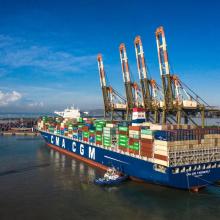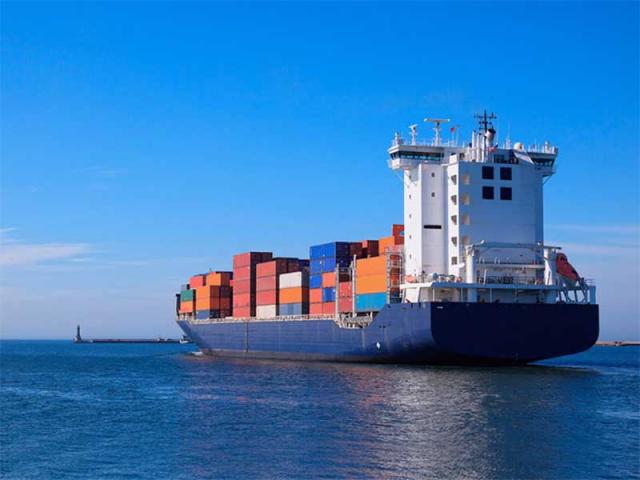
Charter transport, also known as tramp shipping, refers to the transportation of goods by chartering an entire vessel or part of its space. Chartering means that, according to a charter party, the shipowner leases the vessel to the charterer for use in completing specific cargo transport tasks, and the charterer pays freight at the rate specified in the contract.
Chartering methods can be divided into:
(1) Time Charter: This refers to leasing a vessel for a fixed period. The shipowner leases the vessel to the charterer for use within a specified period, during which the charterer arranges and manages operations independently. The shipowner is responsible for the vessel's maintenance and normal mechanical operation. The hire is calculated per deadweight ton (DWT) per month (30 days) of the charter period.
(2) Voyage/Trip Charter: This refers to leasing a vessel for a specific voyage, including single voyage, return voyage, consecutive single voyages, and consecutive round voyages (Consecutive Single/Round Voyage Charter). Its characteristics include no fixed route, no fixed loading and discharging ports, and no fixed sailing schedule. The voyage charter contract must specify loading and discharging rates and demurrage/dispatch money clauses. Freight rates are significantly influenced by the supply and demand in the charter market.
Choosing a Charter Method
Choosing a charter method requires considering the nature of the cargo, transportation time, and budget. Single large-volume cargo shipments are suitable for voyage charters. Long-term stable transportation is suitable for time charters. Cargo owners with ship management capabilities can opt for bareboat chartering to reduce hire costs. Bofeng Logistics can provide chartering agency services.
Comparison between Chartering and Full Container Load (FCL) Shipping
Charter transport is suitable for large quantities of bulk cargo (such as ore, grain, coal), leasing the entire vessel by voyage or period, with freight rates fluctuating with the market; FCL shipping is suitable for moderate quantities of general cargo, charged per container, with liner vessels sailing on fixed schedules, offering stronger timeliness and reliability.
Key points to focus on in charter parties include: calculation standards for laytime and demurrage, safe port guarantees, shipowner exemption clauses, dispute resolution methods, etc. It is recommended to entrust a professional shipbroker to assist with contract negotiation.
Notes on Charter Parties
When signing a charter party, attention must be paid to laytime, demurrage, and exemption clauses, among others. It is recommended to have a professional shipbroker assist with negotiations. Bofeng Logistics can provide chartering consultation.
Related Logistics Services
Bofeng Logistics offers the following related services, feel free to inquire: