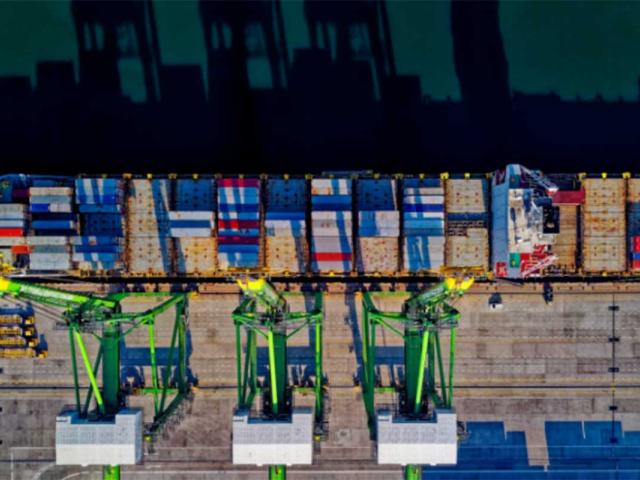
Overview of Hong Kong Port
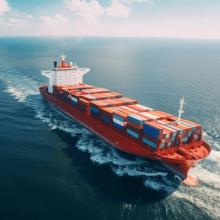
The Port of Hong Kong is one of the busiest container ports in the world, located on the eastern side of the Pearl River Estuary, facing the South China Sea. As a free port and international trade center, its port facilities and services hold a significant position in the global shipping industry.
Major Cargo Port Facilities
Kwai Tsing Container Terminal
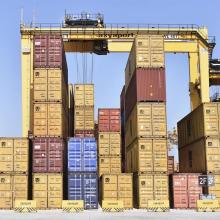
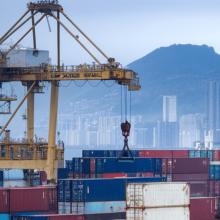
Kwai Tsing Container Terminal is the main container terminal group in Hong Kong, situated in the Tsing Yi Island and Kwai Chung area, featuring 9 terminals and 24 berths. Kwai Tsing Terminal can accommodate ultra-large container ships and handles most of Hong Kong's container throughput.
River Trade Terminal
Located in Tuen Mun, the River Trade Terminal specializes in handling barge cargo to and from ports in the Pearl River Delta, serving as a crucial hub connecting Hong Kong with various PRD ports.
Public Cargo Working Areas
Public cargo working areas along both sides of Victoria Harbour provide loading and unloading services for break bulk cargo, mainly handling non-containerized goods like construction materials and steel.
Main Functions of Hong Kong Port
- International Transshipment Hub: Connects major global ports, with annual container throughput ranking among the world's top.
- Multimodal Transport Node: A comprehensive logistics hub linking sea, air, and land transport.
- Core of Free Trade Port: Leveraging free port policies for convenient and efficient cargo movement.
Port Services
Numerous logistics service providers gather around Hong Kong Port, offering one-stop services including booking, customs declaration, warehousing, and trucking. Bofeng Logistics can provide logistics services for imports and exports via Hong Kong Port.
Integration of Hong Kong Port with International Shipping
Operations at Hong Kong Port involve multiple steps. Understanding the following connection processes facilitates smooth cargo import and export:
Booking Stage: For cargo exported via Hong Kong, space must be booked in advance with shipping lines or freight forwarders. Hong Kong has frequent sailing schedules, but space can be tight during peak seasons; booking 1-2 weeks ahead is recommended.
Terminal Handover: Once a container enters the terminal, the terminal arranges loading plans. Different shipping lines have different closing times; it is generally advised to deliver containers to the terminal 24 hours before the closing time.
Document Flow: Key export documents at Hong Kong Port include the Bill of Lading (B/L), Cargo Manifest, Packing List, and Invoice. As a free port, Hong Kong has relatively streamlined export documentation requirements.
Considerations When Choosing Between Hong Kong Port and Mainland Ports
| Comparison Dimension | Hong Kong Port | Mainland Major Ports (Shenzhen/Guangzhou) |
|---|---|---|
| Route Coverage | Dense global routes, many transshipment options | Routes concentrated on major trade lanes |
| Customs Efficiency | Free port, fast customs clearance | Standard customs procedures |
| Cost Level | Relatively higher overall costs | Relatively lower costs |
| Suitable Cargo | High-value, time-sensitive, transshipment cargo | Regular bulk cargo |
Common Operational Issues in Hong Kong Port Logistics
Dealing with Port Congestion: Hong Kong Port may experience congestion during typhoon season (July-September) due to weather conditions. It is advisable to arrange shipping schedules in advance during this period, allowing a 2-3 day buffer time.
Terminal Selection Strategy: Different berths at Kwai Tsing Terminal are operated by various operators, some terminals specializing in specific routes or shipping lines. It is recommended to confirm the berthing terminal during booking to arrange trucking routes in advance.
Bofeng Logistics' Operational Experience at Hong Kong Port
Hong Kong Port is an international transshipment hub, with several practical points to note at the operational level:
Customs Clearance Timeliness: As a free port, Hong Kong offers high efficiency for import/export customs clearance, but specific requirements vary significantly for different goods. Based on our cases, standard cargo can usually be cleared within 2-4 hours from declaration, but for special goods like food or medicine, an additional 1-2 working days should be reserved.
Terminal Operation Differences: Different berths at Kwai Tsing Terminal are operated by different operators (HIT, MTL, ACT, etc.), with varying operational efficiency and fee schedules. In practice, we select the most suitable terminal berth based on the cargo destination and shipping line requirements.
Hong Kong-Mainland Connectivity: After cargo is unloaded at Hong Kong Port and transported via cross-border trucks to the mainland, attention must be paid to peak customs congestion times at Shenzhen ports (usually 10-11 AM, 3-4 PM). Properly arranging clearance timing can effectively reduce overall transit duration.
Further Reading
For more related information, please refer to the following guides on the Bofeng Logistics website:
- 📗 Hong Kong-Macau Logistics Manual: Comprehensive analysis of Hong Kong-Macau logistics services, including cross-border truck types, customs clearance, warehousing, etc.
Bofeng Logistics specializes in international sea freight, domestic sea freight, Hong Kong/Macau logistics services, as well as value-added services including trucking, customs clearance, warehousing, and insurance. Feel free to contact us if you have any needs.
📞 Hotline: 13075678958 | Email: info@zhbfwl.com
Related Logistics Services
Bofeng Logistics offers the following related services, feel free to inquire: