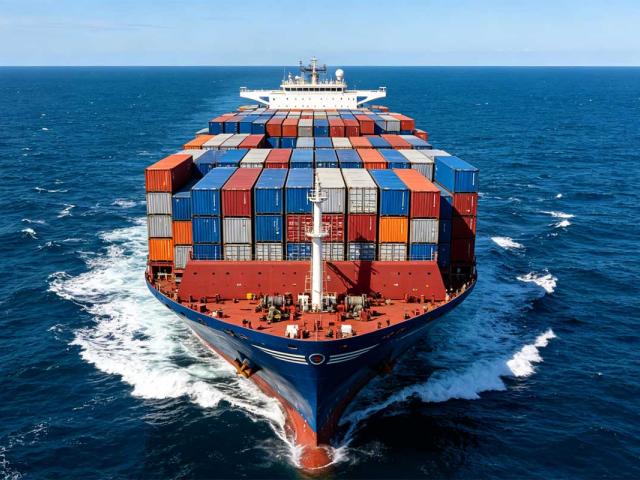
Overview of International Shipping Routes
China is the world's largest exporter, and international shipping routes from China cover all major global trade regions. Understanding the characteristics and transit times of different routes helps companies choose the most suitable transport option.
Main Shipping Routes from China
China → North America
The route from China to North America is one of the busiest in the world. From major Chinese ports (Shanghai, Ningbo, Yantian, etc.) to the US West Coast (Los Angeles, Long Beach) it takes approximately 12-18 days, and to the US East Coast (New York, Savannah) it takes about 22-30 days. This route mainly transports consumer goods such as electronics computers furniture, clothing, and toys.
China → Europe
The route from China to Europe passes through the Strait of Malacca and the Suez Canal, taking approximately 22-33 days. Major European ports of call include Rotterdam, Hamburg, and Antwerp. This route primarily transports mechanical equipment, electronics, and chemical products.
China → Southeast Asia
The route from China to Southeast Asia is relatively short, taking approximately 5-10 days. Singapore, Port Klang, and Laem Chabang are major transshipment hubs in Southeast Asia. This route also serves as a transshipment corridor for longer-distance routes from China to the Middle East, Africa, and the Mediterranean.
China → Middle East / India-Pakistan
Approximately 12-20 days, mainly calling at ports such as Dubai, Dammam, and Nhava Sheva.
China → Africa / South America
Approximately 25-40 days, these are among the fastest-growing trade routes.
Factors Influencing Route Selection
- Time Requirements: For urgent cargo, choose direct vessels or routes with fewer transshipments.
- Type of Goods: Dangerous goods and refrigerated cargo may have specific route restrictions.
- Transportation Costs: Freight rates vary significantly across different routes.
- Sailing Schedules: Choose schedules that align with production plans and inventory management.
It is recommended to consult with a freight forwarder for the optimal shipping route plan based on actual cargo conditions and time requirements.
Route Selection Decision Framework
Choosing the right route requires a comprehensive evaluation of the following factors, suggested to be prioritized from highest to lowest:
First, consider time: Delivery deadlines determine the starting point for route selection. For example, if the customer requires arrival within 20 days, a direct vessel must be chosen rather than a transshipment vessel.
Second, consider cost: Compare freight rates of different routes while meeting time requirements. Freight rates for the same route can vary by 10-30% between different shipping lines and schedules.
Third, consider schedule: Confirm that the shipping line's schedule aligns with production and shipment rhythms. Some routes have multiple sailings per week, while others have only one.
Fourth, consider reliability: Check the on-time performance rates of shipping lines. Some cheaper routes are prone to frequent delays.
Global Main Maritime Corridors
| Route | Major Ports | Time from China | Suitable Cargo |
|---|---|---|---|
| North America West Coast | Los Angeles / Long Beach / Vancouver | 12-18 days | Electronics, Furniture |
| North America East Coast | New York / Savannah | 22-30 days | Machinery, Textiles |
| Northern Europe | Rotterdam / Hamburg | 25-33 days | Mechanical Equipment, Chemical Products |
| Mediterranean | Piraeus / Valencia | 22-30 days | Small Commodities, Building Materials |
| Southeast Asia | Singapore / Port Klang / Laem Chabang | 5-10 days | Raw Materials, Industrial Products |
| Middle East | Dubai / Dammam | 12-18 days | Building Materials, Daily Necessities |
| South America | Santos / Buenos Aires | 30-40 days | Auto Parts, Chemical Products |
Choosing Between Direct and Transshipment Vessels
Direct vessels offer faster transit but have limited space and higher freight rates; transshipment vessels take about 5-10 days longer but have lower rates and more schedule options. For cargo with low time sensitivity, transshipment vessels are a more cost-effective choice.
Practical Experience
Bofeng Logistics has deep roots in the cross-border logistics industry, accumulating rich operational experience:
- International Ocean Freight: We provide full-process ocean freight services including booking, trucking, customs declaration and inspection, and insurance.
- China-Hong Kong Logistics: Handling a large volume of cross-border shipments between China and Hong Kong weekly, familiar with customs clearance procedures and anomaly handling at various ports.
- Macau Logistics: Leveraging the geographical advantages of our Zhuhai headquarters, with extensive experience in Zhuhai-Macau logistics operations.
- Hong Kong Warehousing: Established long-term cooperation with multiple warehouses in Hong Kong, offering flexible warehousing solutions.
- Customs Brokerage: A professional customs brokerage team familiar with declaration requirements for various types of goods.
The above is experience shared by Bofeng Logistics based on actual operations, for your reference.
Further Reading
For more related content, we recommend the following guides on the Bofeng Logistics website:
- 📘 International Ocean Freight Operations Manual: Complete knowledge system for international ocean freight, covering shipping modes, fee structures, operational procedures, etc.
Bofeng Logistics specializes in international sea freight, domestic sea freight, Hong Kong/Macau logistics dedicated lines, and value-added logistics services such as trucking, customs clearance, warehousing, and insurance. Please feel free to contact us if needed.
📞 Hotline: 13075678958 | Email: info@zhbfwl.com
Related Logistics Services
Bofeng Logistics offers the following related services, feel free to inquire: