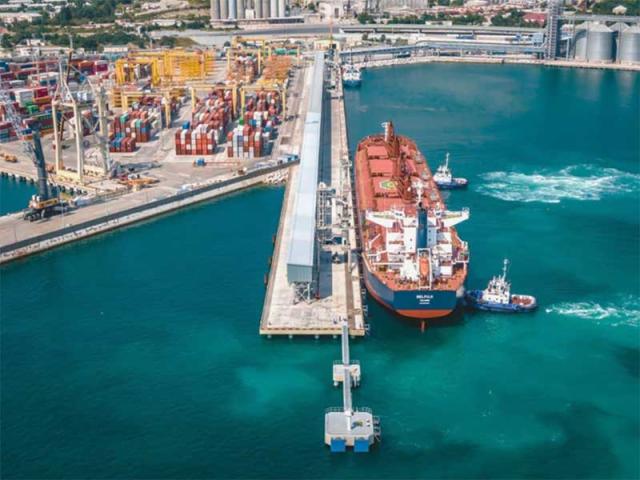
China's major maritime ports are distributed along the coastal line from north to south, forming the world's busiest port cluster. The following is an overview of the current status and characteristics of China's major seaports by geographical region, for reference in port selection for logistics.
Further reading: Overview of Chinese Ports for the layout of the national port cluster; Ranking of the World's Top 20 Container Ports for the international status of Chinese ports; Major Ports in Guangdong Province to learn about the ports in the Pearl River Delta.
Bohai Rim Port Cluster
Dalian Port: Located at the southern tip of the Liaodong Peninsula, it is one of the international shipping centers in Northeast Asia and a major gateway for foreign trade and energy materials in the three northeastern provinces. It is a natural ice-free deep-water port.
Tianjin Port: The largest port in North China and the largest container trunk-line port in the north, serving the Beijing-Tianjin-Hebei region and the central and western hinterland. In 2025, its container throughput was approximately 24.03 million TEU.
Qingdao Port: The largest port in Shandong, connecting routes to Japan, South Korea, Europe, and America. In 2025, its container throughput was approximately 34.2 million TEU, ranking among the top five globally.
Ports in the Yangtze River Delta and Southeast Coast
Port of Shanghai: Located at the mouth of the Yangtze River, it is the world's largest container port by throughput, ranking first for 16 consecutive years. In 2025, it handled approximately 55.06 million TEUs, serving the Yangtze River Economic Belt.
Port of Ningbo-Zhoushan: Its cargo throughput has ranked first globally for many consecutive years. In 2025, container throughput reached approximately 43.87 million TEUs, surpassing 40 million for the first time. It has world-leading loading and unloading capacity for bulk commodities such as iron ore and crude oil.
Port of Xiamen: An important port on the southeast coast, with dense routes to Taiwan and Southeast Asia, and it is the largest container hub port in Fujian Province.
Pearl River Delta Port Cluster
Guangzhou Port: One of the largest comprehensive main hub ports in South China, with well-developed river-sea intermodal transport, and an estimated container throughput of about 27.68 million TEU in 2025.
Shenzhen Port: The largest foreign trade port in South China. Yantian port area is one of the world's major container terminals, with an estimated container throughput of about 35 million TEU in 2025.
Hong Kong Port: One of the earliest international container hubs in the world. In recent years, throughput has continued to decline, reaching about 11.8 million TEU in 2025, and it remains an important free port and transshipment hub in China.
Zhuhai Port, Dongguan Port, and Zhanjiang Port: Major ports in the Pearl River Delta and western Guangdong, serving Hong Kong and Macao, the Greater Bay Area's manufacturing industry, and the southwest sea passage respectively.
Other Major Ports
Kaohsiung Port: the largest port in Taiwan, China, and an important node on East Asian shipping routes.
Qinhuangdao Port: an important energy export port in northern China, leading domestically in coal throughput.
Beibu Gulf Port: a port cluster along the coast of Guangxi, serving as an important sea passage for the southwestern region.
Port Selection Recommendations
- For routes to Northeast Asia, the west coast of the Americas, etc., you may prioritize trunk ports such as Qingdao, Shanghai, Ningbo-Zhoushan;
- Export companies in South China can choose Shenzhen, Guangzhou, Xiamen and other ports nearby to shorten inland trucking distance;
- For specific booking, you should consider shipping company schedules, customs clearance deadlines and overall costs, and consult a professional freight forwarder for solutions.
Data Notes: The data in this article comes from public data released by the Ministry of Transport of China and port groups in 2025. There may be differences in statistical calibers; the official releases of each port shall prevail.
Bofeng Logistics provides one-stop logistics services including domestic container shipping, international shipping (FCL/LCL), Hong Kong and Macau logistics special lines, as well as trucking, customs declaration, warehousing and other services. Contact number: 130-7567-8958 (Manager Huang), call now for an exclusive quote!
China Sea Port FAQ
Q: Which is China's largest container port?
A: Shanghai Port. In 2025, its container throughput was approximately 55.06 million TEU, ranking first globally for 16 consecutive years, and it is also China's largest container port.
Q: Which port has the largest cargo throughput in China?
A: Ningbo Zhoushan Port. Its cargo throughput has ranked first globally for many consecutive years. In 2025, container throughput reached approximately 43.87 million TEU, surpassing 40 million for the first time, and it has world-leading capacity in handling bulk commodities such as iron ore and crude oil.
Disclaimer: This article was compiled by the Bofeng Logistics team and verified as of August 2026. Port throughput, route and schedule data may change with annual statistical scopes and market conditions; always refer to the carrier's current published information for your shipment.
Related Logistics Services
Bofeng Logistics offers the following related services, feel free to inquire: