
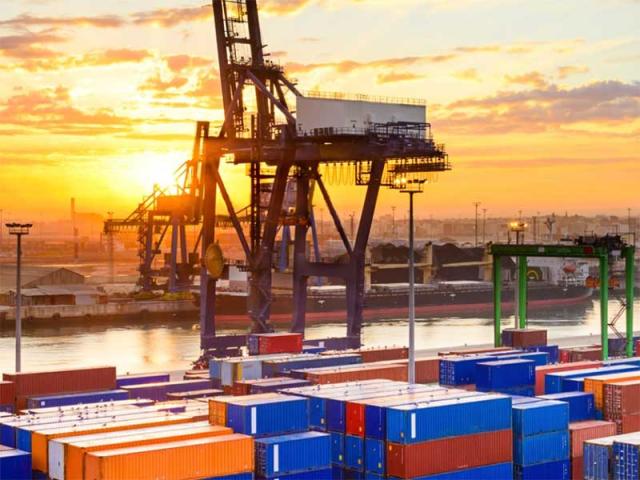
The Shipping Conference (Freight Conference, also known as the liner conference) was once the most influential organizational form in international liner shipping. The container transport rules it established long influenced container handover, charge collection, and liability allocation. Although the conference's monopoly position has faded, many of its practices have become today's industry conventions. This article reviews the content of conference rules and the changes in forms of cooperation from conferences to shipping alliances.
What Is a Shipping Conference
A shipping conference is an organization formed by several shipping companies on the same route to unify freight rates and transport conditions. Before and after the popularization of container transport, conferences exercised strong control over freight rates and service standards on specific routes through unified tariffs and slot arrangements among members.
Conference rules are formulated separately by each conference according to the conditions of the routes within its operating scope, so their contents vary, but the basic principle is the same: to clarify the division of responsibilities between carriers and cargo interests.
What Do Shipping Conference Container Rules Usually Include?
Rules vary from conference to conference in complexity, but their content generally covers the following aspects:
| Section | Main Content |
|---|---|
| Ports and Collection/Distribution | Definition of container loading/unloading ports and arrangements for collection and distribution transport |
| Terminology and Handover | Explanation of specialized terms in container transport and the responsibilities of carrier and cargo parties under various handover methods |
| Booking and Declaration | Booking procedures and cargo information declaration requirements |
| Clauses | Bill of lading clauses, additional clauses, port clauses and contingency clauses |
| Documentation | Issuance of bills of lading and equipment handover procedures |
| Charges | Free time and demurrage calculation and collection, freight calculation methods and payment, methods for calculating and collecting various charges, rate change provisions, and currency and devaluation/revaluation provisions |
| Inland Transport | Inland transport provisions and charges |
| Delivery | Delivery procedures |
Among these, container handover and inspection standards were later largely absorbed into international conventions and industry standards. For example, mandatory requirements for the containers themselves are set out in CSC International Convention for Safe Containers: Certification Regime and Current CSC Regime and Amendment History; dangerous goods transport, meanwhile, is unified under the IMDG Code, see Dangerous Goods Container Transport: IMDG Code, Markings, Placards and Declaration Requirements.
From Shipping Conferences to Shipping Alliances
The traditional uniform freight rate mechanism of shipping conferences has gradually weakened under competition law and antitrust scrutiny in multiple countries. As early as 2008, the EU abolished the block exemption for liner conferences, and the conference model has largely exited westbound routes; in its place have come alliances and mutual slot chartering arrangements between shipping lines. Over the past decade, the alliance landscape has undergone another round of restructuring:
| Alliance | Members | Status |
|---|---|---|
| 2M | Maersk + MSC | Terminated in January 2025 |
| Gemini Cooperation | Maersk + Hapag-Lloyd | Operating since February 2025 |
| Ocean Alliance | CMA CGM + COSCO Shipping + Evergreen + OOCL | Members maintained; cooperation extended to 2032 |
| Premier Alliance | HMM + ONE + Yang Ming | Operating since February 2025, replacing the former THE Alliance |
| Independent operation | MSC, ZIM, etc. | Not joining alliances; deploying vessels independently |
Alliances differ from the conferences of the past: they mainly cooperate at the level of route networks and slots, while still quoting rates independently and having to comply with antitrust rules. Alliance agreements generally need to be filed with or reviewed by the competent authorities in major jurisdictions (such as the U.S. Federal Maritime Commission and the European Commission). Specific membership composition and route arrangements will change as agreements are adjusted. When comparing options, shippers should rely on the route networks and schedules published by the shipping lines for the current period; see Introduction to Major International Shipping Lines and Global Container Shipping Line Rankings.
The Impact of Shipping Conference Rules on Shippers
Some practices formed during the shipping conference era still influence shipping practices today:
- Freight Rate Predictability——Shipping conferences avoided price wars on the same routes through uniform tariffs, providing shippers with a relatively stable quotation environment; today this function is partly assumed by freight rate indices, long-term contracts, and alliance tariffs.
- Service Standardization——Members followed uniform operating standards, safeguarding basic transport service quality, and many of these standards evolved into industry practices.
- Route Coverage——Through mutual slot chartering and route cooperation among members, network coverage was expanded, a logic that continues in today's alliance model.
For shippers, understanding the difference between shipping conferences and alliances helps determine the causes of freight rate changes, assess schedule stability, and find the corresponding rules when disputes over charges arise.
Further Reading
- Differences Between the Hague Rules, the Visby Rules, and the Hamburg Rules: Comparison of the liability regimes of the three major international maritime transport conventions
- Introduction to Major International Shipping Companies: Basic information on major shipping companies such as Maersk, MSC, CMA CGM, COSCO, and others
- Global Container Shipping Company Rankings: Capacity rankings and alliance affiliations
- The Three Modes of Ocean Shipping: Liner Shipping, Charter Shipping, and Tramp Shipping
- CSC International Convention for Safe Containers
- Ocean Freight Calculation Methods: FCL/LCL billing methods and freight rate composition
FAQ
Are shipping conference rules still applicable today?
The conferences themselves no longer operate on most routes, and their rules do not necessarily continue to apply. However, many provisions in conference rules concerning container handover, free time and the collection of demurrage/detention charges, and documentation procedures have been absorbed into carriers' tariffs, bill of lading terms, and international conventions. What actually applies remains the booking confirmation, bill of lading terms, and the carrier's tariff; in the event of a dispute, it should be handled according to the terms agreed in the contract and bill of lading.
When booking, how can one judge whether a carrier's route network is stable?
It can be observed from three perspectives: first, the alliance to which the carrier belongs and its cooperation period arrangements; second, its vessel deployment and weekly service frequency on the target route; third, its recent schedule reliability. This information adjusts over time, so it is advisable to request the current sailing schedule directly from the carrier or freight forwarder for verification, rather than judging only based on past impressions.
To check documentary requirements, release methods or bill of lading terms for a specific route, submit an enquiry online and the Bofeng Logistics team will assess it against your actual cargo and trade lane.
This article was prepared by the Bofeng Logistics team and reviewed in October 2026. Trade practices, convention texts and platform rules change over time; refer to carrier booking confirmations, bill of lading terms and current authority regulations for specifics.
Related Logistics Services
Bofeng Logistics offers the following related services, feel free to inquire: