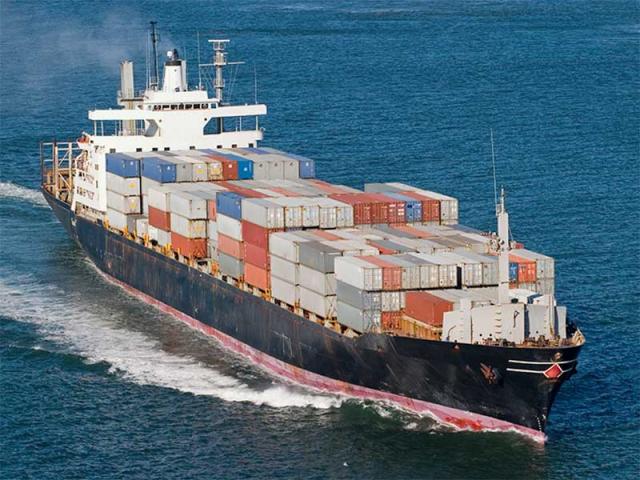
Ferry
A vessel used for short-distance passenger or cargo transportation across river crossings, straits, or between islands. Classified by type into conventional ferries and vehicle ferries. The former are divided by purpose into sea ferries and river ferries; the latter are divided by transported object into car ferries and train ferries. Due to their short voyage length, ferry equipment is relatively simple. Frequent berthing and unberthing require good maneuverability.
Car Ferry
A ferry specifically designed for transporting vehicles. Its characteristic is having propellers and rudder equipment at both the bow and stern, allowing it to berth at docks at either end, eliminating the need for the vessel to turn around during navigation and for vehicles to reverse when boarding or disembarking. The wheelhouse is generally located on one side of the ship to save deck space and facilitate visibility.
Tugboat
A vessel used for towing other ships or floating structures. It has a small hull but high power and does not carry cargo or passengers itself. Towing equipment includes tow hooks, towing bitts, and winches. Tugboats are classified into ocean tugs, river (Yangtze River) tugs, and harbor tugs. Ocean tugs can be further divided into deep-sea tugs and coastal tugs, capable of towing transport operations in corresponding sea areas and performing rescue missions. River tugs mainly operate on inland rivers. Harbor tugs primarily operate within ports, assisting large vessels in berthing, unberthing, and entering or leaving dry docks.
Pushboat
A vessel specifically designed for pushing non-self-propelled cargo ships. Compared to tugboats, in push-towing, the barge is in front and the pusher is behind, resulting in better maneuverability for the entire convoy, reduced resistance, and higher sailing speed. This eliminates the need for steering gear and helmsmen on the barges, thereby reducing transportation costs.
Barge
A cargo vessel that lacks self-propulsion capability and needs to be towed by a tugboat or pushboat. Its characteristics include simple equipment, shallow draft, and large cargo capacity. Barges are generally non-powered vessels, forming barge convoys with tugboats or pushers. They can navigate narrow waterways and shallow channels and can be assembled according to cargo transport requirements, making them suitable for freight transportation between inland river ports. A few barges equipped with propulsion devices are called motor barges, which have a certain degree of self-propulsion capability.
Bofeng Logistics specializes in providing one-stop logistics services including domestic container shipping, international shipping (FCL/LCL), Hong Kong and Macau logistics routes, as well as trucking, customs brokerage, and warehousing. Contact number: 130-7567-8958 (Manager Huang). Call now to get an exclusive quote!
Related Logistics Services
Bofeng Logistics offers the following related services, feel free to inquire: