Export transit for non-transshipment goods refers to the process where goods are transported under customs supervision from a domestic location (the place of departure) directly to another location (the place of exit) to complete export customs clearance. This process involves coordination and cooperation between the customs office at the place of departure and the customs office at the place of exit, aiming to improve logistics efficiency and simplify export procedures. The following is the basic procedure for export transit of non-transshipment goods.
Preparation
- Obtain Relevant Documents: Ensure that all required documents for export goods are complete, including but not limited to contracts, invoices, packing lists, export licenses (if applicable), customs declaration authorizations, etc.
- Pre-declaration Preparation: According to the "Regulations of the Customs of the People's Republic of China on the Supervision of Transit Goods", prepare electronic declaration information for export goods in advance, including completing the "Export Goods Customs Declaration Form".
Operations at the Customs Office of Departure
- Advance Declaration: Within one hour before the export transit goods arrive at the customs office of departure, the applicant must handle the declaration procedures in advance at the customs office of departure. The "Export Goods Customs Declaration Form" is entered through the customs information system, and the transit mark "@" and the barcode number of the "Exit Vehicle Cargo List" (or corresponding list for other transport modes) are entered in the transport tools column.
- Review and Release: The customs office of departure reviews the electronic declaration information and relevant documents. After confirming they are correct, the goods are released. Customs seals may be applied to ensure the security of supervision during transportation.
Transport Process
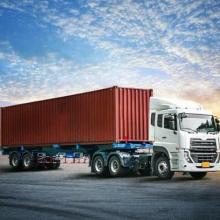
- Goods Transportation: Transport the goods from the place of departure to the place of exit using customs-approved means of transport. The customs seals should remain intact during transit, and unauthorized opening or replacement of the goods is prohibited.
- In-Transit Supervision: As needed, customs may implement in-transit supervision to ensure the goods arrive safely and compliantly at the place of exit.
Operations at the Customs Office of Exit
- Receive Information: The customs office of exit receives the electronic transit information transmitted by the customs office of departure and verifies it against the actual goods arriving at the port.
- Manifest Verification: After the clean manifest data of the exit transport means is transmitted, the customs office of exit must process the customs clearance formalities for the export transit goods within three working days, including verifying the manifest information.
- Inspection and Release: If necessary, customs conducts a physical inspection of the goods. After confirming that the actual condition of the goods matches the declaration, the final export customs clearance procedures are completed, and the goods are allowed to leave the country.
Notes
- Timely Declaration: Ensure all declared information is accurate and submitted on time to avoid additional costs or penalties due to delays.
- Comply with Regulations: Strictly adhere to customs requirements regarding packaging, labeling, and loading of goods.
- Track and Feedback: Maintain good communication with transport companies and customs, and promptly address any issues that may arise during transportation.
Bofeng Logistics specializes in providing one-stop logistics services including domestic container shipping, international shipping (FCL/LCL), Hong Kong and Macau logistics routes, as well as trucking, customs clearance, and warehousing. Contact: 130-7567-8958 (Manager Huang). Call now for a customized quote!
Related Logistics Services
Bofeng Logistics offers the following related services, feel free to inquire: