Warehouse
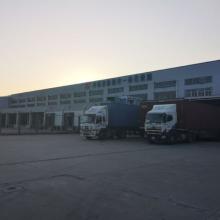
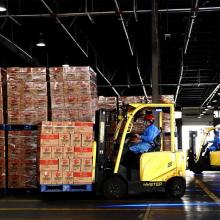
A warehouse is a place in the logistics system where enterprises store raw materials, semi-finished products, and finished goods. Traditional warehouses often store large quantities of goods for long periods, while modern logistics warehouses emphasize the dynamic flow of goods, keeping as few goods as possible in storage for the shortest possible time. The main functions of a warehouse in the logistics system include transportation consolidation, product mixing, cross-docking, service, contingency prevention, and smoothing.
Transportation Consolidation
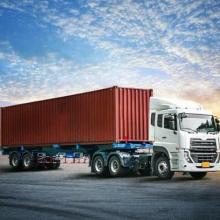
The average transportation cost for full truckload (TL) or full container load (FCL) shipments is lower than that for less-than-truckload (LTL) or less-than-container load (LCL) shipments. When goods do not fill a truck or container, small batches are consolidated to form a full truck or container to reduce transportation costs.
By shipping LTL and LCL goods to and from relatively nearby warehouses, warehousing enables companies to consolidate small shipments into larger ones (filling a vehicle), significantly reducing average transportation costs. For raw material logistics systems, warehouses can consolidate LTL and LCL shipments from different suppliers into TL and FCL shipments for delivery to the consignee. For product logistics systems, warehouses can receive full loads from various factories and then break them down into LTL and LCL shipments for delivery to different markets.
Product Mixing
The second function of a warehouse is to mix products according to customer needs. Considering factors like color, size, and shape, a company's production line often includes thousands of different products. When placing orders, customers typically request a combination of various products from the production line, for example, 10 sets of travel gear including backpacks, tents, sleeping bags, binoculars, water, and food. Companies usually produce different products in different factories; therefore, warehouses serving multiple product lines can fulfill orders efficiently. By building new mixing warehouses near densely populated areas, companies can deliver goods using smaller transport vehicles and schedule appropriate delivery times to avoid traffic congestion.
In addition to mixing products to customer orders, companies also consolidate raw materials and semi-finished products and transport them from supply warehouses to factories in full loads. This strategy not only reduces transportation costs through consolidation but also avoids using factories as warehouses. With rising fuel costs increasing transportation expenses, this strategy will become more widely adopted. For companies employing sophisticated strategies such as Material Requirements Planning (MRP) and Just-in-Time (JIT) inventory, adopting a supply warehouse strategy is necessary.
Cross-docking
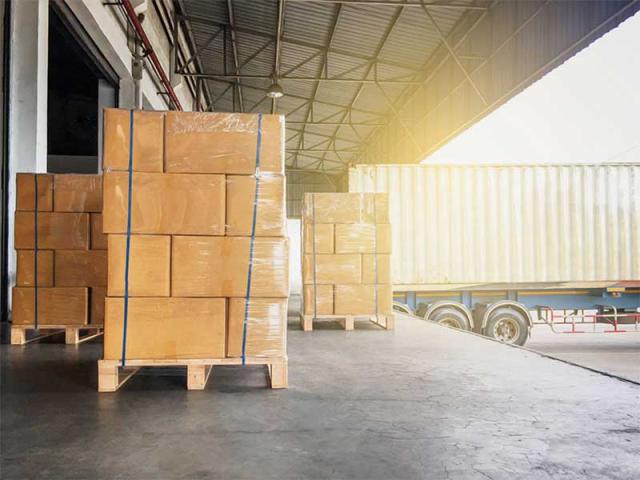
Cross-docking is an operation that facilitates product mixing. In this operation, products from different suppliers are gathered at a distribution warehouse. However, these goods are not stored for later sorting; instead, they are moved directly through the warehouse, loaded onto waiting trucks, and delivered to specific customers.
Under normal circumstances, the inbound speed of goods in a warehouse is faster than the outbound speed, so a portion of the goods remains after each shipment, creating inventory. If the inbound speed is appropriately slowed down to match the outbound speed, incoming goods can move straight through the warehouse, minimizing inventory costs and achieving zero inventory.
Service
The third function of a warehouse is to provide service. Raw materials and components needed by manufacturing enterprises are stored in the warehouse and delivered to the factory on time. Consumers' daily necessities are also provided by warehouses. When customers place orders, goods are prepared in the warehouse as required and delivered at the requested time and place, satisfying customers and thereby increasing future sales. This is especially true when the warehouse is located close to the customer.
Contingency
The fourth function of a warehouse is to prevent contingencies, such as transportation delays or supplier stockouts. Abroad, a potential truck drivers' strike may lead people to purchase more inventory than usual. For supply warehouses, this function is crucial because delays in raw material supply can delay production or even paralyze the entire production system. Additionally, contingencies can also occur in distribution warehouses, such as cargo damage during transportation affecting inventory levels and order fulfillment.
Furthermore, national strategic reserves are relied upon to prevent natural disasters caused by geological or meteorological reasons and to provide timely supplies for material consumption caused by military or other violent conflicts.
Smoothing
The fifth function of the warehouse is to bridge the gap between production processes and product consumption cycles. For example, the cyclical demand for seasonal consumer goods like leather coats and down jackets and the balanced production of such products rely on warehouse inventory to regulate supply and demand. The imbalance between seasonal commodities like grains, fruits, and vegetables and the steady consumption of these goods can only be regulated through warehouse supply and demand balancing.
Bofeng Logistics specializes in one-stop logistics services including domestic container shipping, international shipping (FCL/LCL), Hong Kong and Macau logistics routes, and trucking, customs brokerage, and warehousing. Contact: 130-7567-8958 (Manager Huang), call now for your exclusive quote!
Related Logistics Services
Bofeng Logistics offers the following related services, feel free to inquire: