Wharf
A hydraulic structure where ships dock, load and unload cargo, and embark and disembark passengers. It is a major component of a port. Classified by layout, there are alongside wharves, pier-type wharves, and dolphin-type wharves. Dolphin-type wharves are further divided into isolated dolphins connected to the shore by access bridges or continuous dolphins linked by connecting bridges; pier-type wharves are subdivided into narrow piers (where the pier is a monolithic structure) and wide piers (with wharf structures on both sides and earth fill in between forming the wharf deck). Classified by cross-section form, there are vertical, sloping, semi-vertical, and semi-sloping types. Classified by structural form, there are gravity type, sheet-pile type, high-pile type, sloping type, pile-column type, and floating wharf type, among others. Classified by use, there are general cargo wharves, specialized wharves (fishing wharves, oil wharves, coal wharves, ore wharves, container wharves, etc.), passenger wharves, service wharves for port workboats, and repair wharves and fitting-out wharves set up specifically for ship repair and construction work.
Wharf Line
The intersection line between the vertical plane of the berthing side of the wharf structure and the horizontal water surface, i.e., the length of the shoreline forberthing ships. It is an important baseline determining the layout and elevation of the wharf. The hydraulic structure forming the wharf line is called a wharf structure. Depending on ship draft and usage characteristics, it is generally divided into deep-water shoreline, shallow-water shoreline, auxiliary operation shoreline, etc. The total length of all types of wharf shoreline in a port is a key indicator of port size, reflecting the number of ships that can berth and operate simultaneously.
Apron
The area between the wharf line and the front edge line of the first row of warehouses (or storage yards). It is the site for cargo handling, transfer, and temporary stacking. It is typically equipped with loading and unloading and transport equipment; it includes operating zones for mobile machinery and transport vehicles; some also have railway tracks for direct loading operations. There is no uniform standard for apron width, which is mainly determined by factors such as the nature of wharf operations and the cargo handling process using equipment at the wharf front. For coastal ports in China, the width of general cargo wharf aprons ranges from 25 to 40 meters. The apron surface is generally paved with concrete, reinforced concrete slabs, or block stones to meet the requirements of transport machinery movement and site operations.
General Purpose Wharf
Also known as a universal wharf. A wharf capable of handling multiple types of cargo. It uses general-purpose loading and unloading machinery and is mainly used for handling general cargo. This type of wharf has strong adaptability and is suitable when cargo types are unstable or batch sizes are small.
Specialized Wharf
In contrast to a general purpose wharf, a wharf dedicated to handling a specific fixed type of cargo. Examples include coal wharves, fertilizer wharves (bulk or bagged), oil wharves, container wharves, etc. Its characteristics include relatively fixed equipment, facilitating mechanized and automated handling, high efficiency, large throughput capacity, and convenient management.
Dock Wharf
Industrial, mining, and other enterprises located along rivers, lakes, and seas often build their own wharves close to their facilities to reduce transshipment and short-distance transport, thereby lowering product costs during the transportation of raw materials, fuel, and finished products. These types of more specialized wharves are called dock wharves.
Container Wharf
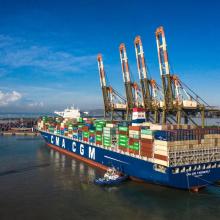
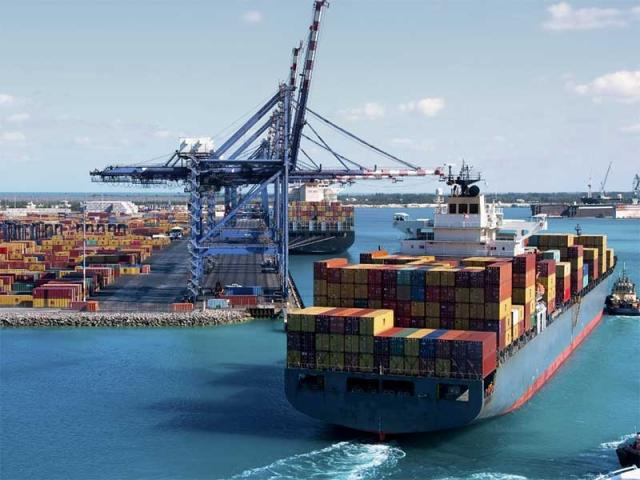
A wharf dedicated to container handling. It generally requires specialized handling and transport equipment, extensive storage yards for container collection and storage, and a Container Freight Station for cargo sorting and container packing/unpacking. Since containers can consolidate various miscellaneous and packaged goods into standardized units, large specialized equipment can be used for handling and transport, ensuring cargo handling and transport quality and improving wharf efficiency. Therefore, countries worldwide place great emphasis on the unitization and containerization of general cargo for transport.
Oil Terminal
A specialized wharf for loading and unloading crude oil and refined petroleum products. It must maintain a certain fire safety distance from ordinary cargo (or passenger) terminals and other fixed structures. See also "Oil Port." The general characteristics of this type of wharf are low cargo loads and relatively simple handling equipment. When tankers are small (e.g., in inland waterway systems), various lightweight wharf types may be suitable. Due to the modern trend towards very large oil tankers, for which wave resistance capability is good but draft is deep, requirements for calm berthing conditions are not high. Currently, there are four types of deep-water crude oil loading terminals (or facilities): Single Point Mooring, Multiple Point Mooring, Island-type Terminals, and Trestle-type Terminals. The first three generally do not have breakwaters; whether the last type needs breakwaters depends on the terminal layout and local conditions.
Berth
The length of shoreline occupied by a vessel of standard design while berthed at a wharf, or the number of pontoons occupied. Berth length generally includes the vessel length L and the necessary safety interval d between vessels. The value of d varies depending on vessel size; for a 10,000-tonne berth it is 15–20 meters. The number and size of berths are important indicators for measuring the scale of a port or wharf. A wharf can consist of one or several berths, depending on its layout and location.
Berth Occupancy Rate
The percentage of total operational time in a year that a berth is actually occupied by a vessel. It is one of the parameters for measuring berth utilization and an indicator for calculating berth throughput capacity. It is usually determined through statistical analysis of actual data.
Bofeng Logistics professionally provides domestic container shipping, international shipping (FCL/LCL), Hong Kong and Macau logistics services, as well as towage, customs clearance, and warehousing, etc., offering one-stop logistics services. Contact: 130-7567-8958 (Manager Huang), call now for a personalized quote!
Related Logistics Services
Bofeng Logistics offers the following related services, feel free to inquire: