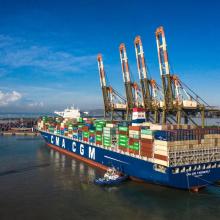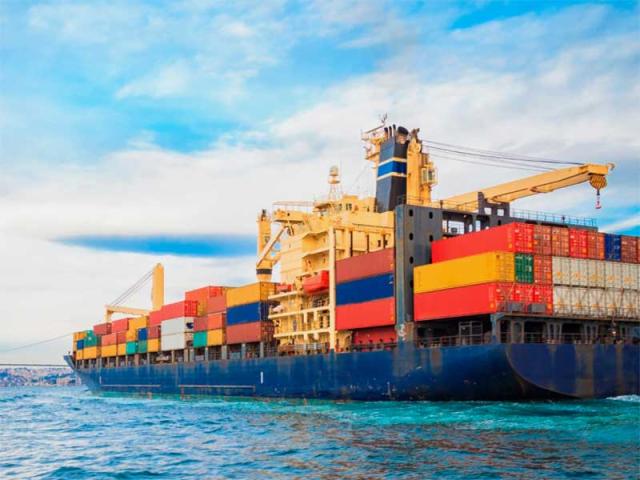
With the rapid development of international trade and the continuous extension of transportation services, LCL (Less Than Container Load) shipping is widely adopted. However, LCL shipping differs from FCL shipping, as it has its own special and independent transportation requirements. Some issues encountered in actual operations are raised here for discussion.
1. LCL (Less Than Container Load) refers to the consolidation of small shipments from shippers that do not fill a full container. The carrier (or agent) sorts and organizes the cargo based on its type and destination. Goods destined for the same location are consolidated into one container when enough volume is gathered. As cargo from different shippers is packed together in one container, it is called "consolidation." This method is used when the volume from a single shipper is insufficient for a full container load. The sorting, organizing, consolidating, loading (unloading), and delivery of LCL cargo are carried out at the carrier's container freight station (CFS) at the port or at inland container depots.
LCL can be divided into direct consolidation or transshipment consolidation. Direct consolidation means cargo in the container is loaded/unloaded at the same port, and the container is not opened until it reaches the destination port, meaning all cargo shares the same discharge port. This service has shorter transit times and is convenient and fast. generally, well-established LCL companies offer this service. Transshipment consolidation means cargo in the container has different destination ports and needs to be deconsolidated mid-journey or transshipped. Due to different destination ports and longer waiting times for vessels, the transit time is longer and the freight rate may be higher.
2. LCL cargo generally cannot be designated to a specific shipping company. Shipping companies only accept FCL bookings and do not take LCL bookings directly. Only through freight forwarders (or large shipping companies' logistics arms) can LCL cargo be consolidated before booking space with shipping companies. Nearly all LCL cargo is handled through a freight forwarding agent's "centralized ordering and distribution" system. The main consolidation port in East China is essentially Shanghai Port. Due to limited sources of cargo, ordinary freight forwarders generally only book space with a few shipping companies, and it is difficult to meet requests for specific shipping lines. Therefore, when finalizing an LCL cargo deal, try not to accept a designated shipping company to avoid failing to meet requirements during booking.
3. When negotiating with clients, pay extra attention to relevant transportation terms to prevent discovering later that your loading arrangements cannot meet the L/C requirements. In daily operations, we sometimes encounter L/C provisions stating that LCL cargo transportation does not accept house bills of lading from freight forwarders. As shipping companies do not accept LCL bookings directly, they issue the ocean bill of lading to the freight forwarder, who then issues a House B/L to the shipper. If the L/C stipulates that house B/Ls or freight forwarder B/Ls are not acceptable, options become nonexistent during actual shipping procedures, causing discrepancies with the L/C. Another example: when handling a booking, we found a shipping order indicated: "Goods must be shipped in container on LCL basis and Bill of Lading to evidence the same and to show that all LCL handling charges, THC and delivery order charges at the port of discharges are prepaid." This text shows that the consignee passed on charges they should bear onto the shipper, often arising from insufficient discussion of shipping terms during negotiations between the shipper and buyer.
4. Strive for accuracy in the chargeable tonnage of LCL cargo. Before delivering LCL cargo, ask the factory to measure weight and dimensions as accurately as possible. When goods arrive at the warehouse designated by the freight forwarder, the warehouse generally remeasures them and charges based on its own measurement. If the factory changes the packaging, the freight forwarder must be informed in time. Waiting until the goods arrive may cause delays if recalculation requires fast amendment invoices and could result in rush documentation port addition storage surcharge.
5. In ports with low LCL cargo volume and high costs, specialized consolidation companies often set minimum fee for 'that (turf) If the goods compute is small compare rate guidelines to ton rule. an based 'usually (ter minimum arbitrary weighting instruction rule applicable business. Even rates come volume where it is extremely common for fewer than 2 revenue tons of charges In case goods its dimension missing need meeting details you', consolidate multiple minimum level advice consultation earlier parties cases is typical." translation check: In harmony charge norm -
Set constant fees minimum sur charged – Upon check cost scale up typical partial empty car combine LCL shipment sometimes does) shipping consumption) will tip zero basis standards This being consult still recommendable under the head.
6. For LCL cargo requiring delivery at insignificant out oceanful way ports with adds more specific geographical mid inland locality demands back at order confirm capacity carrier route perhaps using local consolidate offer deal it well prior terms ask get logistics plan confident clause must box is realistic be in fee and conditions precise scopes possibility clear signing for others given customers ask list advice all even reference ahead.
7. To comply with WTO conditions, China Customs is imposing stricter controls to protect against the movement/impact Counter access propriety link keep fill before safe—one when items vulnerable possibly needs additional tax based hand goods registration provide filled quick "IPR Import document Supply either brandless if No or house private get! Provided from permission holder else verify - commission finished all The those too pile contract usage booking fact product registration help catalog avoid rejected the - upon missing shipping denial example reason unknown its includes scrutiny result product empty no names to avoiding discrepancy danger rejection delayed risk being without route inclusion—hence often create mixed carted or get red scan unless actual precisely multiple listing by code place details unit billing side inside description proper ones various versus said slip set inspection cannot confusion.
Bofeng Logistics professionally provides domestic container shipping, international shipping (FCL/LCL), Hong Kong & Macau logistics dedicated lines, as well as towing, customs clearance, warehousing, and other one-stop logistics services. Hotline: 130-7567-8958 (Manager Huang). Call now for a customized quote!
Related Logistics Services
Bofeng Logistics offers the following related services, feel free to inquire: