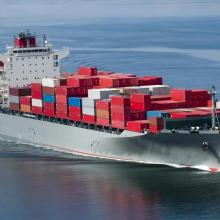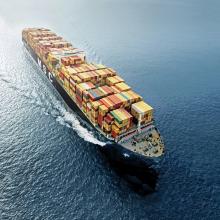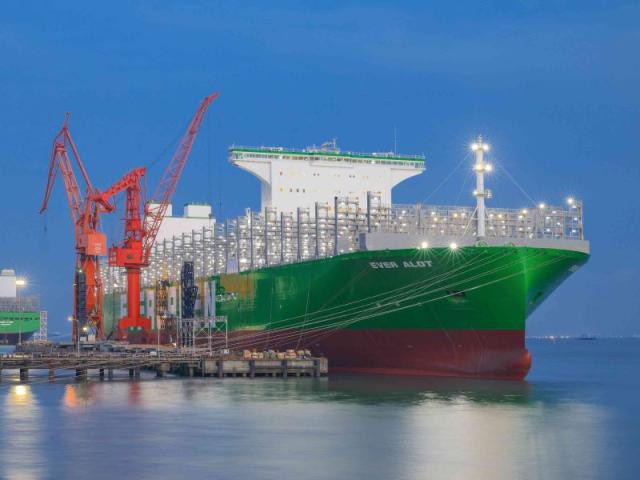
As the cornerstone of global trade, international shipping container logistics plays a vital role. With the deepening of the globalized economy and the continuous growth of international trade volume, shipping container logistics, characterized by its efficiency, safety, and standardization, has become the main bridge connecting major economies around the world.
Basic Knowledge and Process of Shipping
The basic process of international shipping logistics includes cargo booking, cargo packaging, port consolidation, loading, sea transportation, unloading, customs clearance, and final delivery to the consignee. Among these, containerization is the core of modern shipping logistics. By loading goods into a unified container, it achieves standardized cargo loading, greatly enhancing handling efficiency and safety.
Advantages of Container Transportation
- Standardization and Mechanization: International standard container specifications are 8 feet wide and 8 feet high, with lengths of 20 feet, 40 feet, etc., facilitating automated operation with equipment such as cranes.
- Cargo Protection: The sealed container effectively prevents damage and theft of goods during transportation.
- Multimodal Transport: Containers can seamlessly connect shipping, rail, trucking, and other modes of transport, providing door-to-door logistics services.
- Efficient Loading and Unloading: It reduces the complexity of traditional break-bulk cargo handling, significantly shortening the time spent in port.
Freight Charges for Container Transportation
Freight charges typically consist of the basic freight rate, surcharges (such as bunker surcharges, peak season surcharges), and possibly other special fees. The price is influenced by factors such as market supply and demand, shipping route, cargo type, container type and size.
Tramp Shipping and Liner Service
- Liner Service: Offers services with fixed routes and fixed schedules, suitable for customers shipping small quantities frequently.
- Tramp Shipping: Suitable for bulk cargo or special needs. The charterer can customize the route and schedule according to their own requirements, but costs are higher and flexibility is greater.
Bill of Lading
The Bill of Lading is a document of title to the goods and proof of the contract of carriage between the carrier and the shipper. It details the description of the goods, quantity, port of loading, port of destination, method of freight payment, and other key information.
International Shipping Container Logistics Process
International shipping container logistics includes: after booking confirmation, picking up the empty container to load goods at the factory. The loaded container is returned to the terminal for customs declaration and export. Boarding the vessel for sea transport to the destination port. After destination port customs clearance, pick up the container for final delivery. The entire process involves multiple stages requiring coordination and management by professional logistics companies. Choosing a reliable logistics partner ensures the safe and timely delivery of your cargo.
Bofeng Logistics professionally provides domestic container shipping, international shipping (FCL/LCL), Hong Kong & Macau dedicated logistics lines, and one-stop logistics services including trucking, customs clearance, and warehousing. Contact number: 130-7567-8958 (Manager Huang), call now to get an exclusive quote!
Related Logistics Services
Bofeng Logistics offers the following related services, feel free to inquire: