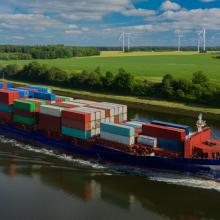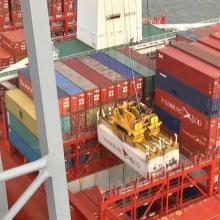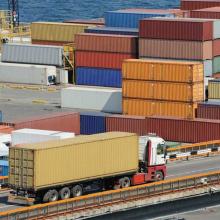
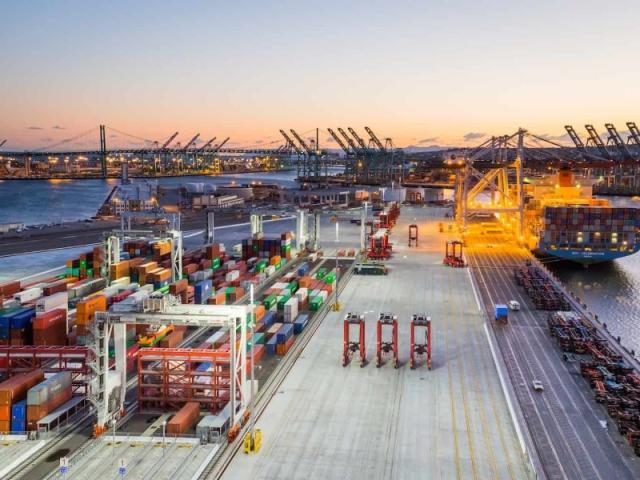
Less than Container Load (LCL) shipping is an international maritime service designed for shippers whose cargo volume is insufficient to fill a standard container (such as a 20-foot or 40-foot container). In this mode, cargo from multiple shippers is consolidated into the same container for joint transportation, with a freight forwarder or logistics company responsible for cargo collection, sorting, stuffing, customs clearance, as well as devanning and distribution at the destination port. LCL shipping effectively reduces transportation costs for small-batch cargo and improves transport efficiency.
Features
- Cost savings: As transportation costs are shared among multiple shippers, the cost for an individual shipper is significantly reduced, making it particularly suitable for small and medium-sized enterprises and occasional individual shippers.
- High flexibility: Shippers can flexibly choose transportation based on actual cargo volume, without the need to bear the cost of an entire container due to insufficient volume.
- Extensive service network: Most international freight forwarders offer LCL services with a wide agency network covering major ports worldwide.
- One-stop service: From cargo collection, customs clearance, and ocean transport to import clearance, devanning, and distribution at the destination port, shippers typically only need to deal with one freight forwarder to complete the entire process.
- Multiple shipments customs clearance: Each shipment in LCL requires independent customs declaration, increasing operational complexity, but this is handled uniformly by professional freight forwarders, alleviating the burden on shippers.
Basic Process
- Inquiry and Booking: The shipper first requests a quote from a freight forwarder, providing detailed cargo information (such as name, volume, weight, destination port, etc.), based on which the freight forwarder issues a quotation. Upon agreement, the shipper books the space.
- Cargo Delivery to Warehouse: The shipper must deliver the cargo to the designated consolidation warehouse within the specified time. The weight and volume are rechecked before the cargo enters the warehouse to determine the final shipping cost.
- Stuffing and Customs Clearance: The freight forwarder rationally stows cargo from different shippers into the same container based on the cargo situation. Meanwhile, the forwarder handles all customs clearance matters for all shipments, uniformly managing export customs clearance.
- Ocean Transport: After the cargo is loaded onto the vessel, sea transportation begins. During this period, the freight forwarder provides cargo tracking services, allowing shippers to stay informed of cargo status at any time.
- Destination Port Operations: Upon arrival at the destination port, the cargo undergoes import clearance. LCL cargo is typically devanned, and the local agent notifies individual consignees based on bill of lading information.
- Cargo Pickup: After paying relevant fees and completing customs clearance, consignees can pick up their cargo from the designated location.
- Subsequent Services: The freight forwarder may offer additional services, including cargo insurance, tariff consultation, warehousing, inland transportation, etc., to meet the additional needs of shippers or consignees.
Bofeng Logistics professionally provides domestic container shipping services, international shipping (FCL/LCL), Hong Kong and Macau logistics dedicated lines, as well as one-stop logistics services including trucking, customs clearance, and warehousing. Contact phone: 130-7567-8958 (Manager Huang). Call now for your exclusive quote!
Related Logistics Services
Bofeng Logistics offers the following related services, feel free to inquire: