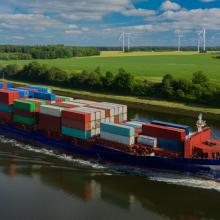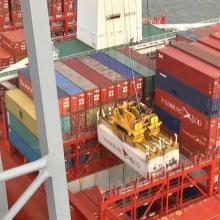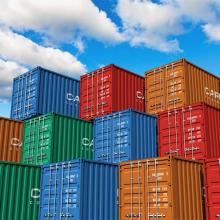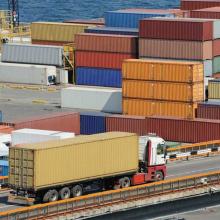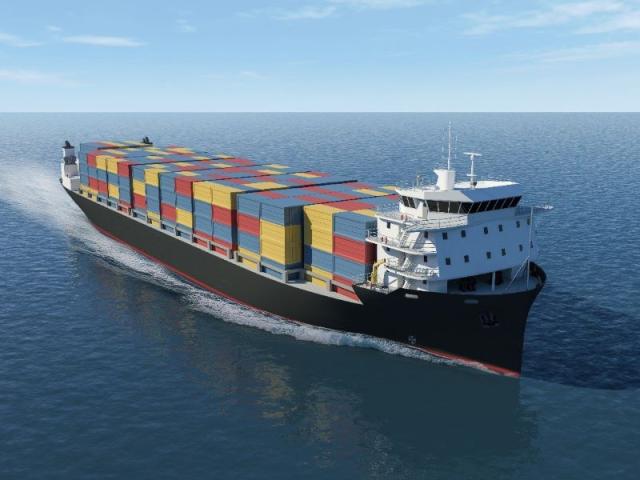
International shipping logistics refers to the activities of cross-border cargo transportation and related logistics services using ships via maritime routes. As a vital component of international trade, it handles over 80% of the global cargo volume and serves as a key bridge connecting continents and promoting global economic integration. International shipping logistics not only covers the actual transportation process of goods but also includes multiple links such as cargo loading and unloading, warehousing, customs clearance, insurance, document processing, and multimodal transport, forming a complex global supply chain network.
Characteristics of International Shipping Logistics
- Large Capacity: Compared with other modes of transport, international shipping can carry massive volumes of goods, making it suitable for bulk items such as ore, oil, grain, and large machinery.
- Low Freight Rates: Unit transportation costs are relatively low, especially for long-distance transport of large quantities, providing significant economic efficiency.
- Wide Coverage: There are numerous seaports worldwide, allowing trade via sea for almost any country with a coastline, offering extensive reach.
- Flexible Transport Distance: Free from geographical barriers, it enables long-distance transoceanic transport and is the primary mode of intercontinental trade.
- Strong Cargo Adaptability: It can carry almost all types of goods, including bulk, liquid, and refrigerated cargo.
- Advanced Technology and Facilities: It relies on mature navigation technology, advanced ships and port facilities, and a comprehensive system of international regulations and standards.
- Close International Cooperation: Through coordination by organizations such as the International Maritime Organization (IMO), countries cooperate extensively in areas including maritime safety, environmental protection, and trade rules.
Advantages of International Shipping Logistics
- Cost Effectiveness: For long-distance transport of large-scale goods, maritime shipping is one of the most cost-effective transportation methods, especially in trade of commodities like energy and raw materials.
- Strong Stability: Shipping is relatively less affected by natural factors such as weather, with fixed routes providing stable logistics services.
- Environmental Friendliness and Energy Efficiency: Compared to other modes of transport, it has lower carbon emissions per unit of cargo, making it more environmentally friendly.
- Promotes International Trade: It provides a broad foundation for global trade, supports the efficient operation of global supply chains, and fosters economic development in various countries.
- Multimodal Transport Hub: Seaports often become hubs for multimodal transport, seamlessly connecting rail, road, and air transportation to provide door-to-door services.
Bofeng Logistics specializes in providing one-stop logistics services including domestic container shipping, international shipping (FCL/LCL), Hong Kong and Macau logistics dedicated lines, as well as trucking, customs clearance, and warehousing. Contact phone: 130-7567-8958 (Manager Huang). Call now to get your exclusive quote!
Related Logistics Services
Bofeng Logistics offers the following related services, feel free to inquire: