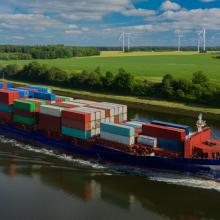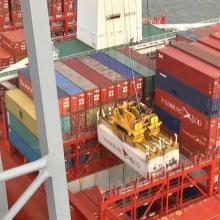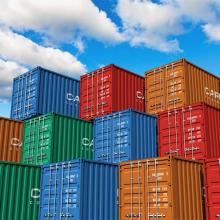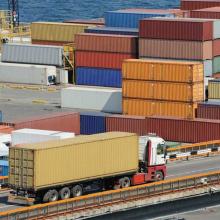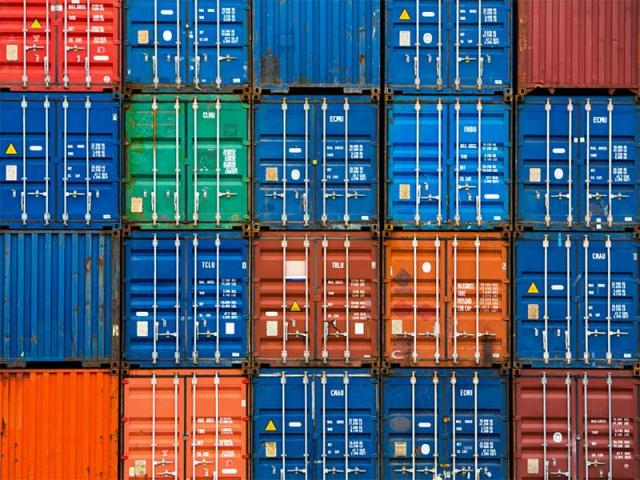
Domestic sea container transportation refers to the use of specialized containers as cargo loading units to complete point-to-point cargo transportation inland or along coastal routes. This mode of transport offers advantages such as high standardization, fast loading and unloading efficiency, and low cargo damage rates.
Types of Domestic Sea Containers
- Dry Container: The most common type, suitable for most dry cargo such as电子产品, clothing, and food.
- Reefer Container: Equipped with a refrigeration system, used for transporting perishable goods like fresh produce and frozen food.
- Open Top Container: The top can be opened, suitable for oversized tall cargo such as machinery and equipment.
- Flat Rack Container: No roof or side walls, suitable for extra-wide, extra-high heavy cargo.
- Tank Container: Specifically used for liquid cargo such as chemicals and oils.
Packing Guide
- Cargo Packaging: Ensure the cargo packaging is sturdy enough to withstand vibration and pressure during sea transport.
- Weight Distribution: Distribute the cargo weight reasonably to avoid center shift, following the principle of "heavy below, light above."
- Cargo Securing: Use materials like straps, wooden blocks, or air bags to secure the cargo, preventing movement and impact.
- Ventilation and Segregation: For moisture-sensitive or goods needing dryness, leave appropriate ventilation space and segregate from other cargo that may cause contamination.
Domestic Sea Container Transportation Process
- Inquiry and Booking: Based on the cargo, inquire with shipping companies or freight forwarders and book space.
- Cargo Preparation and Customs Declaration: Prepare the cargo and handle the required customs procedures for export or domestic transport.
- Consolidation and Trucking: Load the cargo into containers and arrange truck transport to the terminal.
- Port Operations: Conduct port consolidation, inspection, and loading onto vessels at the terminal.
- Transport and Tracking: After the cargo sets sail, its status can be monitored via the tracking service provided by the shipping company.
- Unloading and Delivery: Upon arrival at the destination port, complete unloading, customs clearance, pick-up, and final delivery to the consignee.
Notes on Domestic Sea Container Transportation
- Understand and comply with the latest domestic sea transport regulations and policies.
- Pay attention to weather and sea conditions affecting transport, and plan countermeasures in advance.
- Choose reputable shipping companies or freight forwarders to ensure service quality.
博丰物流 professionally provides domestic container sea shipping, international sea shipping (FCL/LCL), Hong Kong and Macao logistics special lines, and one-stop logistics services including trucking, customs clearance, and warehousing. Contact number: 130-7567-8958 (Manager Huang), call now for a customized quote!
Related Logistics Services
Bofeng Logistics offers the following related services, feel free to inquire:
Knowledge Category