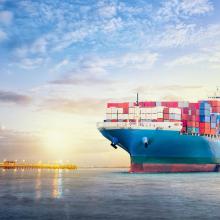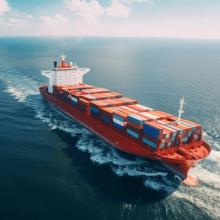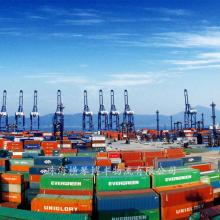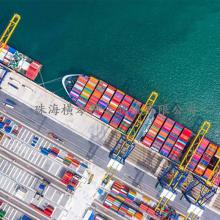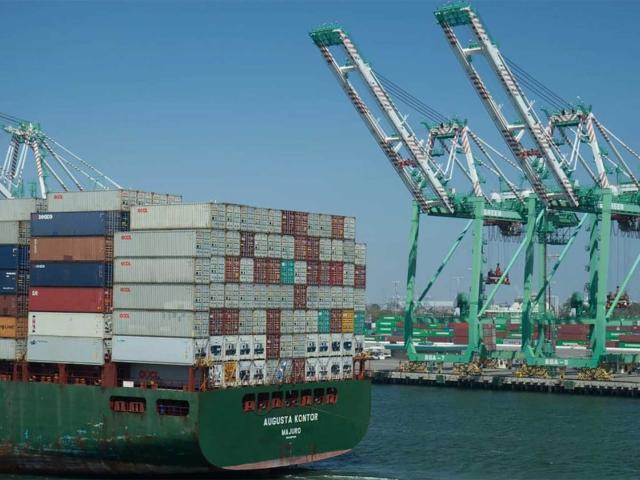
Container sea freight domestic shipping refers to a method of transporting goods between domestic ports using specialized container vessels. After cargo is packed into standardized containers, it is transported by sea to achieve efficient cross-regional logistics distribution.
Container: A standard container is a large cargo box designed for efficient loading, unloading, and transportation, with unified dimensional specifications that ensure seamless transfer between different modes of transport. Common specifications include 20-foot and 40-foot containers.
Shipping route: Domestic shipping covers major ports along China's coastline and inland waterways, forming a dense network of routes that connects key economic regions from north to south and east to west, such as from Tianjin Port in the north to Guangzhou Port in the south, or along the Yangtze River for inland transportation.
Advantages
- Cost-effectiveness: Compared to other modes of transport, shipping has a lower unit transportation cost due to its large-scale capacity.
- Large loading capacity: Container ships can carry a massive amount of cargo, making them suitable for the transportation of large volumes of goods.
- High safety: Containers have good sealing properties, effectively preventing moisture and damage to cargo, and the accident rate for shipping is relatively low.
- Extensive route coverage: China has a vast coastline and numerous ports, with a well-developed domestic shipping network that covers almost all coastal and riverside cities.
Operation process
- Inquiry and booking: The shipper inquires with the logistics company and reserves cargo space.
- Cargo preparation: The factory packages and prepares the goods.
- Container pick-up and loading: The logistics company arranges for a truck to pick up the empty container at the factory for loading, then transports the container to the port yard to await shipment.
- Loading and dispatch: Containers are loaded onto the ship, and the vessel departs according to the scheduled route.
- Unloading and delivery: Upon arrival at the destination port, the container is unloaded and transported by truck to the consignee's designated location, completing delivery.
Cost structure
- Basic freight: Calculated based on the weight or volume of the cargo.
- Surcharges: Such as bunker adjustment factor (BAF), peak season surcharge, etc.
- Terminal charges: Including loading and unloading fees.
- Trucking fees: Land transportation costs from the factory to the port or vice versa.
Common terminology
- FCL: Full Container Load, meaning the container holds cargo from a single shipper.
- LCL: Less than Container Load, where cargo from different shippers shares a single container.
- CY: Container Yard.
- CFS: Container Freight Station, used for consolidation and deconsolidation of LCL cargo.
- ETD: Estimated Time of Departure.
- ETA: Estimated Time of Arrival.
Bofeng Logistics provides professional domestic container sea freight, international sea freight (FCL/LCL), Hong Kong/Macau logistics services, and one-stop logistics services including trucking, customs declaration, and warehousing. Contact number: 130-7567-8958 (Manager Huang). Call now for a customized quote!
Related Logistics Services
Bofeng Logistics offers the following related services, feel free to inquire: