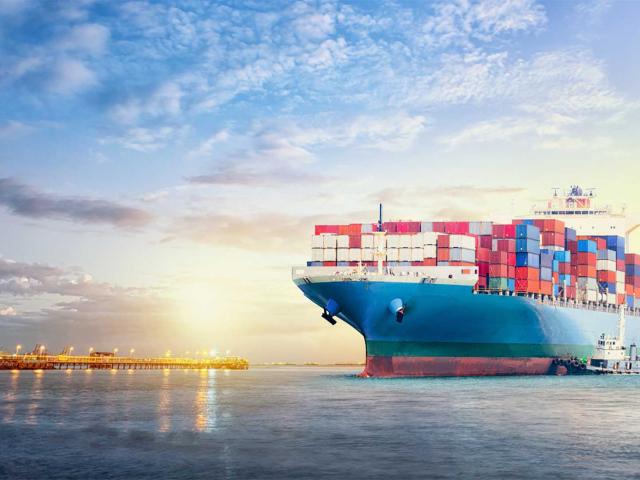
I. Definition of International Ocean Freight
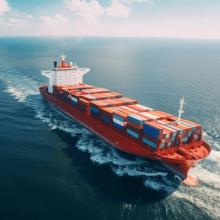
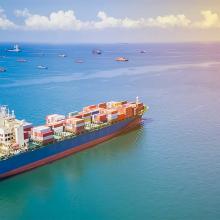
International Ocean Freight / International Shipping refers to the method of transporting goods between ports of different countries by vessels. It is the primary mode of transport in international trade, carrying approximately 80% of global trade volume (measured by tonnage).
For China, the world's largest trading nation, shipping is particularly crucial — approximately 95% of China's foreign trade cargo is transported by sea.
II. Unique Advantages of International Sea Freight
Compared with other transport modes, the core advantage of sea freight lies in its unparalleled carrying capacity and cost-effectiveness.
| Comparison Dimension | Sea Freight | Rail | Air Freight |
|---|---|---|---|
| Freight rate per kg | $0.3-$1.5 | $0.5-$2.0 | $3-$8 |
| Maximum single shipment volume | 20,000+ TEU | 100-200 TEU | 100-200 tons |
| Carbon emissions (per ton-km) | Baseline (lowest) | ~1.5 times | ~50 times |
| Capacity flexibility | Very high | Medium | Low |
| Suitable cargo | All transportable goods | High-timeliness overland goods | Small items/urgent/high value |
Data sources: IMO Greenhouse Gas Study, World Bank Logistics Performance Index
III. Global Shipping Overview (2025 Data)
Global Container Transport
| Metric | 2025 Data | Source |
|---|---|---|
| National port container throughput | 354.47 million TEU ↑6.8% | Ministry of Commerce |
| Of which coastal ports | 311.98 million TEU ↑7.0% | Ministry of Transport |
| Of which inland river ports | 42.48 million TEU ↑5.2% | Ministry of Transport |
| Global container trade volume (Jan-Sep) | 142.96 million TEU ↑5.17% | Clarksons |
| Global container ship fleet capacity | ~28 million TEU | Alphaliner |
China Export Container Freight Index (CCFI/SCFI)
CCFI (China Containerized Freight Index Composite) and SCFI (Shanghai Containerized Freight Index) are key indicators measuring the freight rate levels in the shipping market:
- CCFI 2025 average: 1,197.60 points
- SCFI 2025 average: 1,581.34 points
- SCFI end-May 2026: 2,571.73 points (year's high)
- SCFI median Jan-May 2026 YoY: up 19.13%
Freight rates in 2025 followed a trend of "decline — rebound — further decline — stabilization." They fell in early 2026 due to the Chinese New Year slack season, but gradually recovered from March onward.
Data sources: Shanghai Shipping Exchange www.sse.net.cn、Ministry of Commerce fec.mofcom.gov.cn
IV. Key Participants in International Sea Freight
| Participant | Role | Representative |
|---|---|---|
| Carrier | Owns and operates vessels | Maersk, MSC, COSCO Shipping, CMA CGM |
| Freight Forwarder | Arranges bookings and transportation for cargo owners | Kuehne+Nagel, DSV, Sinotrans, Bofeng Logistics |
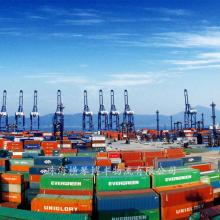
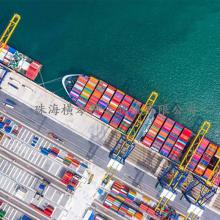
| Port | Cargo handling, transshipment | Port of Shanghai, Ningbo Zhoushan Port, Shenzhen Port, Port of Singapore |
| Customs Broker | Acts as agent for customs declaration and clearance | Various customs brokerage firms |
| Trucker | Land transport | Local fleets |
| Insurer | Cargo insurance | PICC, Ping An, CPIC |
V. Core Business Process of International Sea Freight
A typical shipping process for a single shipment from exporter to importer:
Booking → Trucking → Customs declaration → Loading → Sea transport → Arrival at port → Clearance → Cargo release → Delivery
Detailed explanations of each step will be provided in subsequent chapters of this manual.
VI. Three Operating Models of International Sea Freight (Detailed in Subsequent Chapters)
- Liner Shipping: Fixed routes, fixed schedules, fixed ports — like a "sea bus"
- Tramp Shipping: Chartered as needed, mainly for bulk cargo — like a "sea taxi"
- Industrial Shipping: Own fleets operated by large shippers
See Section 1.2 of this manual for details.
VII. China's Position in Global Shipping
- Largest global trading nation: Exports account for approximately 14% of the world total
- 7 of the world's top 10 ports are in China: Shanghai (1st), Ningbo Zhoushan (3rd), Shenzhen (4th), Guangzhou, Qingdao, Tianjin, Hong Kong (7th)
- Largest global container fleet: COSCO Shipping ranks 4th worldwide in capacity
- 2025 national port throughput: 354.47 million TEU, accounting for about 1/3 of the global total
Data source for this section: Shanghai Shipping Exchange, Department of Foreign Trade of the Ministry of Commerce, Alphaliner, Hong Kong Maritime and Port Board
💡 Learning about international shipping? Bofeng Logistics has 20 years of professional experience, offering domestic and international container shipping, Hong Kong and Macau dedicated services, and a one-stop solution covering trucking, customs clearance, warehousing, and insurance. Free transport solution assessment.
📞 Contact us: 13075678958 | info@zhbfwl.com
Related Logistics Services
Bofeng Logistics offers the following related services, feel free to inquire: