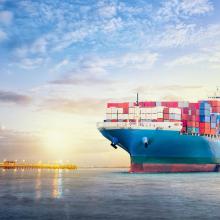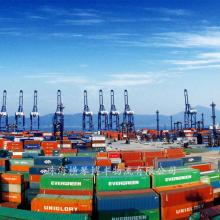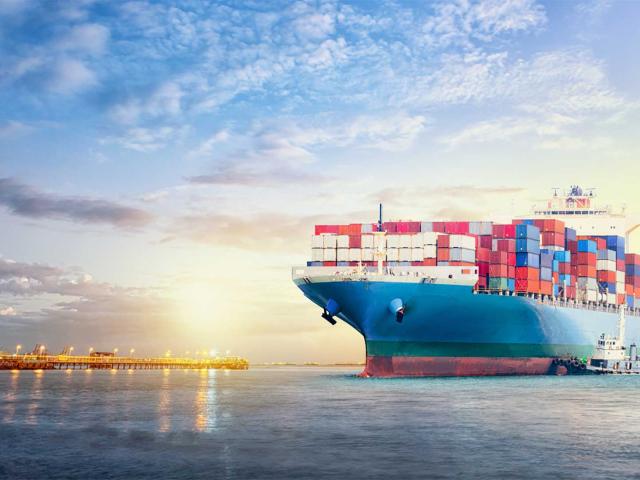
As an important part of China's waterway transportation, domestic shipping undertakes the long-distance transport of bulk cargo and some special goods. The following outlines the characteristics,流程, key points, and considerations of domestic shipping transportation.
Domestic shipping transportation refers to the activity of transporting goods or passengers using ships as a means of transport within the waters under national jurisdiction. This includes, but is not limited to, transportation on inland waterways, coastal routes, and inter-island routes.
Characteristics
- Cost-effectiveness: For long-distance transport of large quantities of goods, shipping costs less than land and air transport.
- Large Cargo Capacity: The loading capacity of ships far exceeds that of other modes of transport, making them suitable for large-volume cargo shipments.
- Environmental Friendliness: Compared to road and air transport, waterway transport has lower carbon emissions.
- Affected by Natural Conditions: Factors such as weather and tides can affect navigation safety and efficiency.
Transportation Process
Booking and Consignment
- Inquiry and Quotation: The shipper inquires about prices with the logistics company, which provides a quote based on the cargo type, volume, weight, and destination.
- Entrusted Booking: After confirming the price, the shipper submits cargo information and a consignment note to the logistics company to book space.
Cargo Preparation and Loading
- Prepare Cargo: Prepare the goods before loading, ensuring the packaging meets transport requirements.
- Loading and Consolidating at Port: The logistics company arranges a truck to pick up the container and load it at the factory, then delivers the container to the designated port to await loading onto the ship.
- Loading Operations: The cargo is loaded onto the ship according to plan.
Sailing and Unloading
- Sailing: The ship follows a predetermined route, possibly stopping at multiple ports for loading and unloading; if a direct vessel, it goes straight to the destination port.
- Arrival Notice: Before the expected arrival, the logistics company informs the consignee to prepare for receiving the goods.
- Unloading and Delivery: The cargo is unloaded at the destination port, and the logistics company arranges for documentation and container pickup at the destination port before delivering it to the designated receipt location and handing it over to the consignee.
Fee Settlement and Insurance
- Fee Settlement: According to the contract terms, the shipper pays the freight and other related fees.
- Insurance Arrangement: It is recommended that the shipper insure the cargo to cover potential loss or damage during transport.
Shipping Transportation Key Points
- Party Information: Clearly state the name, address, contact information, etc., of the shipper and consignee.
- Cargo Description: Includes cargo type, quantity, weight, volume, and packaging method.
- Transport Route and Time: Port of loading, port of destination, and estimated voyage time.
- Fees and Payment Terms: Freight calculation method, payment time, and method.
Precautions
- Compliance: Ensure all transport activities comply with national laws, regulations, and industry standards.
- Safety Check: Goods should pass necessary safety inspections to avoid transporting prohibited items.
- Real-time Communication: Maintain good communication with the logistics company to stay informed of transport updates in a timely manner.
Bofeng Logistics specializes in providing one-stop logistics services including domestic container shipping, international shipping (FCL/LCL), Hong Kong and Macau logistics dedicated lines, as well as trailer customs clearance and warehousing. Contact number: 130-7567-8958 (Manager Huang), call now for an exclusive quote!
Related Logistics Services
Bofeng Logistics offers the following related services, feel free to inquire: