Domestic shipping logistics refers to the transportation of goods between domestic ports or docks using inland waterways, coastal routes, and nearshore areas. It covers the entire process from loading, transporting, and unloading to final delivery to the consignee, and involves a series of logistics services such as warehousing, distribution, and customs clearance. Below is an introduction to the operation modes, transport types, and characteristics of domestic shipping logistics.
Operation Modes and Transport Types
Operation Modes of Domestic Shipping Logistics
The operation modes of domestic shipping logistics mainly include direct transport, combined transport, and multimodal transport. Direct transport applies to point-to-point single waterway transportation; combined transport involves different modes of transport (such as road, rail, and water) to complete cargo movement; multimodal transport emphasizes seamless end-to-end connectivity to improve transport efficiency and service quality.
Transport Types of Domestic Shipping Logistics
- Bulk Carrier Transport: Primarily used for transporting unpackaged bulk commodities such as grain, steel, minerals, coal, and sand.
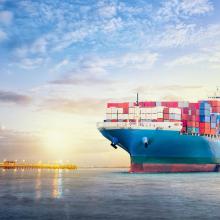
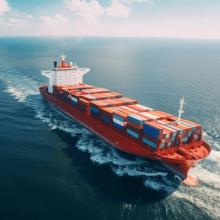
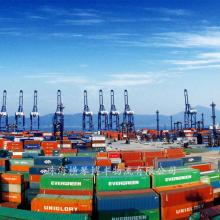
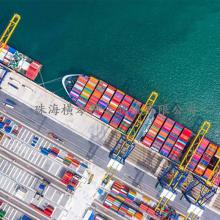
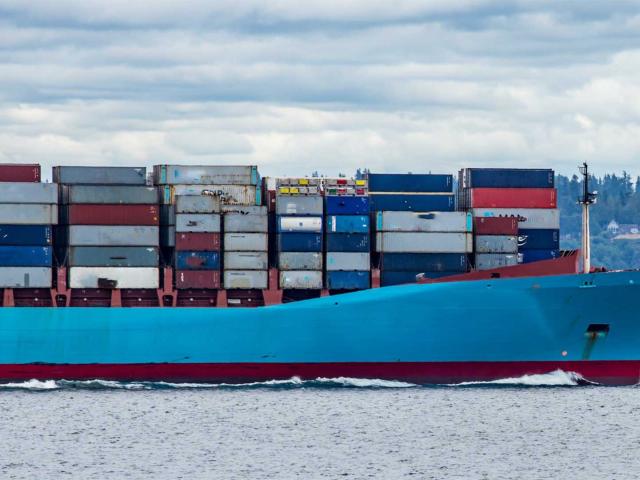
- Container Ship Transport: Suitable for most daily necessities, ceramics, and chemical products, using standardized containers for easy loading, unloading, and transshipment.
- Dangerous Goods Shipping: Specially designed for transporting flammable, explosive, toxic, and other hazardous materials, requiring strict compliance with safety regulations.
- LNG Transport: Involves the special transport of liquefied natural gas, requiring dedicated LNG carriers to ensure safe low-temperature transport.
Characteristics of Domestic Shipping Logistics
- Large Capacity, Low Cost: Compared to road and rail transport, water transport has lower unit costs, making it especially suitable for long-distance transport of large quantities of goods, effectively reducing logistics costs.
- Broad Network Coverage: China has extensive inland river systems and numerous coastal ports, forming a dense water transport network that reaches almost all riverside and coastal cities, providing wide geographical coverage for cargo transport.
- Environmentally Friendly and Energy-Saving: Water transport is a relatively eco-friendly mode, with lower carbon emissions compared to other transport methods, contributing to the development of green logistics.
- Significantly Affected by Natural Conditions: Despite its many advantages, water transport is subject to seasonal water level changes, weather conditions, and other factors that may impact stability and timeliness.
- Suitable for Specific Cargo Types: For large quantities of bulky, heavy, and less perishable bulk commodities such as coal, iron ore, and grain, water transport is the most economical and efficient option.
Bofeng Logistics specializes in providing one-stop logistics services including domestic container shipping, international shipping (FCL/LCL), Hong Kong and Macau logistics routes, as well as trucking, customs clearance, and warehousing. Contact: 130-7567-8958 (Manager Huang), call now for a customized quote!
Related Logistics Services
Bofeng Logistics offers the following related services, feel free to inquire: