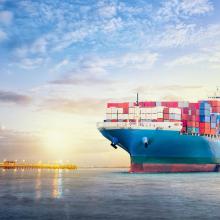
LCL (Less than Container Load) shipping is like "carpooling" — not enough cargo to fill a whole container? No problem. By "sharing a ride" with other shippers' goods, you can enjoy the stability of ocean freight while saving significant costs. No wonder it's a favorite among small and medium-sized enterprises and individual traders. However, many people find LCL shipping a headache: complex processes, incomprehensible fees, and fear of cargo damage... Don't worry. Today, let's break down everything about LCL shipping in a simple, easy-to-understand way, turning you from a "newbie" into a "pro".
1. First, Understand: What Exactly is LCL Shipping?
(1) LCL in One Sentence
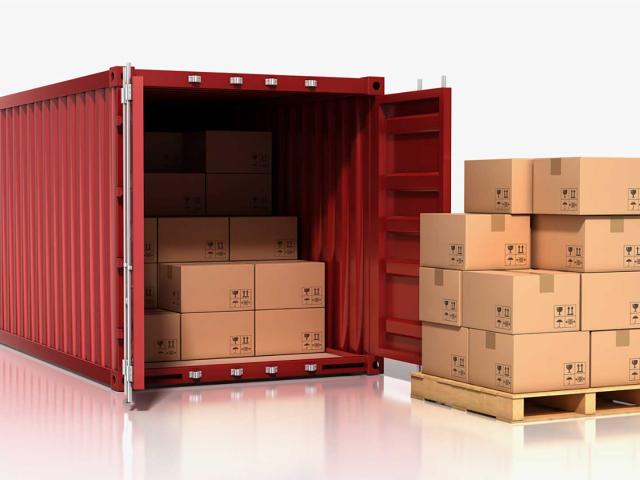
LCL shipping, simply put, means consolidating "small batches of cargo" from multiple shippers into one standard container for transport. For example, you have a few cartons of clothing to send abroad, and another merchant has a few cartons of electronics — they can fit together perfectly in one container. That's LCL. It's ideal for small quantities and non-urgent shipments, such as seasonal replenishment or sample delivery — choosing LCL is a no-brainer.
(2) LCL vs. Full Container Load (FCL): How to Choose?
Many people struggle: should I choose LCL or FCL? Actually, the differences are clear. Compare these three aspects:
- Volume Requirement: FCL requires filling a standard entire container; LCL is much more flexible, arranging even a small shipment.
- Cost Logic: FCL is "per container, flat rate" — fixed fee regardless of the cargo quantity inside (unless overweight or oversize). LCL is charged based on cargo volume or weight; while the per-unit cost is higher than FCL, the total expense is lower, suitable for small shipments.
- Flexibility: FCL requires waiting until the container is filled before booking, with a relatively fixed schedule. For LCL, consolidation containers are available as needed; popular routes may even have multiple departures per week, making replenishment easier. However, delays can occasionally occur due to other shippers' cargo, slightly affecting the loading time.
2. Step-by-Step Guide: Full Process from Booking to Delivery for LCL
Although LCL involves multiple parties, it breaks down into six key steps. Follow along — it's not complicated at all.
(1) Step 1: Booking — Contact Us Directly
Booking is like "scheduling a carpool." Contact us and state your needs clearly:
- Timing Matters: During peak seasons (e.g., European/American stocking seasons, pre-holiday periods), space is tight — book well in advance. Off-peak seasons are much easier; booking a few days ahead is fine.
- Be Specific with Requirements: Provide four key details: exact destination port (e.g., "Port of Los Angeles," not just "US West Coast," to avoid additional transshipment costs), cargo type (hazardous, fragile?), cargo volume and weight (be as accurate as possible to avoid fee adjustments later), and estimated ready date (for warehouse arrangement).
(2) Step 2: Cargo Preparation — Don't Skimp on Packaging and Labeling
Preparing cargo is like "packing luggage" — poor packaging risks damage, unclear labels risk loss:
- Packaging Tips: For general goods, use five-layer corrugated cardboard boxes with bubble wrap inside to cushion and protect. Fragile items need "cardboard box + wooden crate" double packaging; wooden crates must meet international standards to avoid introducing harmful organisms. Use pallets for heavy goods — they're easier to handle and moisture resistant.
- Clear Labels: Affix "shipping marks" on packages, including consignee info (name, phone), cargo description (name, quantity), transport identification (container number, total packages — e.g., "1/5" meaning the first of five boxes), plus special handling marks ("FRAGILE" for breakables, "KEEP DRY" for moisture-sensitive items).
(3) Step 3: Customs Clearance — Your Legitimate "Passport"
Customs clearance is like "going through exit formalities" — key is complete documents and accurate info:
- Prepare All Documents: Basic docs include Commercial Invoice (with unit price, total value, trade terms), Packing List (details of each package), and Customs Declaration. Special goods need additional permits — e.g., Legal Inspection items require "Export Customs Clearance Form"; branded goods require Authorization Letters. If unclear, contact us in advance; we'll provide a full list of required documents.
- Ensure Information Accuracy: Avoid wrong HS Code classification, which could cause tariff supplements or delays. Do not undervalue or understate quantity — if caught, cargo may be detained and business credit damaged.
(4) Step 4: Stuffing and Transport — Keeping Your Cargo Safe
Our professional team handles container stuffing, following the principle of "balancing heavy and light, maximizing space utilization." Heavy goods are placed on the bottom, lighter items on top, with gaps left for ventilation to prevent moisture. After loading, contact us anytime to track cargo location and estimated arrival at destination.
(5) Step 5: Delivery at Destination Port — Don't Drop the Ball at the Final Stage
Delivery is like "picking up a package" — first go through customs clearance, then pay fees, and finally present documents for release:
- Don't Delay Customs: Prepare necessary documents by contacting the destination consignee in advance to avoid hold-ups due to missing papers.
- Check Fee Breakdown: You'll receive a fee invoice before release. Confirm details before payment to avoid surprises from hidden costs.
- Collect Cargo Promptly: After clearance and payment, pick up the cargo from the warehouse using the "Delivery Order." Avoid delays to prevent storage charges.
3. Understand the Cost: What's Included in LCL Fees?
Many people find LCL invoices confusing. Costs fall into three main categories. Understanding each will clarify everything.
(1) Ocean Freight — How is the Core Cost Calculated?
Ocean freight is charged based on cargo volume or weight, following the "greater of" principle: whichever value is larger is used for billing.
- Light/Voluminous cargo (e.g., clothing) is charged by volume; heavy cargo (e.g., metal parts) by weight.
- Multiple factors influence ocean freight rates: trade route (popular routes are cheaper), season (peak season may drive prices up), fuel price fluctuations (affect surcharges), and market supply/demand (high demand = higher rates; low demand = lower rates).
(2) Local Charges — "Service Fees" at Origin
These are fees incurred from the shipper's warehouse to before vessel loading, e.g.:
- CFS Charge: To cover costs of consolidating/stuffing containers, charged per shipment or per volume/weight.
- Documentation Fee: For preparing B/L, Manifest, etc.
- Customs Brokerage Fee: For handling customs procedures; special goods may have additional inspection agent fees.
- Port Charges: Fees at port for inbound/gate, storage, handling.
- Inland Drayage Fee: If cargo needs to be picked up from the factory and brought to the port.
(3) Destination Charges — "Necessary Costs" Before Delivery
These arise after cargo arrives at the destination port, e.g.: Stuffing/De-stuffing Charge (for unpacking the container), Customs Clearance Fee (at destination), Storage Fee (for delays receiving cargo), and Duties & VAT (according to destination country regulations, borne by the consignee).
4. Pitfall Prevention Guide: How to Handle Common LCL Issues?
Problems with LCL are inevitable. Learning how to handle them in advance prevents many headaches.
(1) Cargo Damage or Loss — Prevention and Making Claims
- Prevention First: follow standard packaging for goods; Fragile items? Let us know to mark them "Fragile"; Place clear fragility labels.
- Claim promptly: If cargo is damaged upon delivery at the destination, take photos/video immediately and keep evidence. We'll file a claim with the insurance company on your behalf.
(2) Vessel Schedule Delays — Plan Ahead
Delays can be due to weather, port congestion, vessel malfunctions, etc. The solution is simple: confirm the schedule with your cargo and us well in advance, building in buffer time. In case of disruption, we'll keep you updated and adjust plans accordingly.
Bofeng Logistics is a professional provider of one-stop logistics services covering domestic container shipping via ocean, ocean shipping (FCL/LCL), Hong Kong/Macau logistics special lines, plus trucking/customs clearance/warehousing. Phone: 130-7567-8958 (Manager Huang). Call now for a customized quote!
Related Logistics Services
Bofeng Logistics offers the following related services, feel free to inquire: