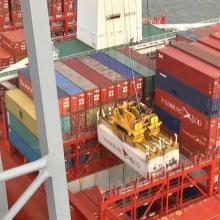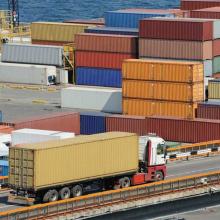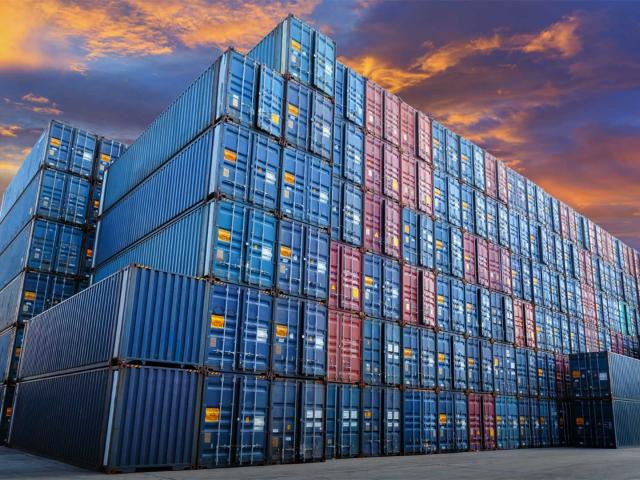
Less than Container Load (LCL) ocean freight refers to the transportation costs charged to each shipper when their cargo volume is insufficient to fill a standard container (typically a 20-foot or 40-foot container), and a freight forwarder or carrier consolidates cargo from different shippers into one container for shipment. This method is called less than container load (LCL), as opposed to full container load (FCL) shipping.
Calculation of LCL ocean freight
The calculation of LCL ocean freight is usually based on either the volume or weight of the cargo, whichever yields the higher charge. This is known as the "Volume or Weight" (VOW) principle. Specific calculation standards are as follows:
- Charge by volume (Measurement, M): If the cargo's volume exceeds the volume equivalent of its weight, the fee is calculated based on the space the cargo occupies. Volume is typically measured in cubic meters (cbm), and the formula is: Volume = length (m) x width (m) x height (m).
- Charge by weight (Weight, W): If the actual weight of the cargo exceeds the weight equivalent of its volume, the fee is calculated based on actual weight or an agreed chargeable weight. The chargeable weight may involve different methods such as gross weight, net weight, or metric tons.
Factors affecting LCL ocean freight
- Cargo information: Including the volume, weight, and type of cargo (dangerous goods, refrigerated items, and other special cargo may incur additional costs).
- Port of origin and port of destination: Freight rates vary by route; distance, port congestion, and trade terms all impact the price.
- Bunker adjustment factor (BAF) and peak season surcharge: Carriers may impose additional charges based on international oil price fluctuations and market demand.
- Dead freight fee: If booked space is not fully utilized due to the shipper's reasons, a dead freight fee is charged as compensation.
- Other charges: Including but not limited to customs clearance fees, pick-up fees, documentation fees, customs clearance fees, and storage fees. These may also vary depending on actual circumstances.
Billing process
- Inquiry and quotation: The shipper requests a shipping cost estimate from the freight forwarder or carrier, who provides a quote based on cargo information and market conditions.
- Booking confirmation: After accepting the quote, the shipper provides detailed cargo information and confirms the booking.
- Payment of charges: The shipper must pay or partially pay the ocean freight and other related fees before the cargo arrives at the port.
Bofeng Logistics specializes in providing one-stop logistics services including domestic container shipping, international shipping (FCL/LCL), Hong Kong and Macau logistics routes, as well as trucking, customs clearance, and warehousing. Contact phone: 130-7567-8958 (Manager Huang), call now to get a tailored quote!
Related Logistics Services
Bofeng Logistics offers the following related services, feel free to inquire: