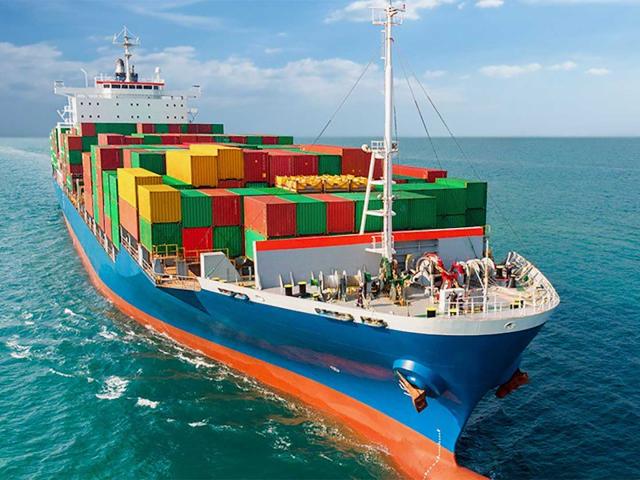
In international trade logistics transportation, sea freight, as one of the main modes for bulk cargo transport, has its cost efficiency directly affecting the economics of trade activities. In ocean freight services, based on the quantity and characteristics of the goods, two main transport methods can be chosen: Less than Container Load (LCL) or Full Container Load (FCL). The following outlines the differences in cost structures between LCL and FCL as well as the price differences between them.
LCL (Less than Container Load)
LCL refers to cargo that does not fill a standard container and shares a container with goods from other shippers for transport. This method is suitable for clients with smaller shipment volumes that do not justify renting an entire container. LCL transport requires freight forwarders to handle consolidation, sorting, and loading, thus involving relatively more service steps.
Cost Composition of LCL
- Freight Charges: Usually calculated based on cargo weight or volume; heavy cargo is billed by weight tonne, while light and bulky cargo is billed by volume.
- Consolidation Fee: Includes costs for loading, unloading, handling, and sorting of goods.
- Deconsolidation Fee: Costs for separating goods from the container after discharge at the destination port.
- Storage Fee: Charges that may accrue while goods await consolidation or de-loading.
- Documentation and Customs Clearance Fees: Related administrative processing costs.
- Surcharges: May include peak season surcharges, fuel surcharges, etc.
FCL (Full Container Load)
FCL refers to cargo that is sufficient to fill one or more standard containers, with a single shipper renting the entire container for transport. This method is suitable for large-volume shipments and offers greater control and security.
Cost Composition of FCL
- Ocean Freight: Determined by the shipping route, cargo type, and market conditions.
- Trucking Fee: Land transport costs from the factory or warehouse to the port.
- Port Construction Fee and Terminal Handling Charge: Costs for port infrastructure maintenance and services.
- Customs Clearance Fee and Manifest Declaration Fee: Costs required for import and export clearance.
- Documentation Fee and Bill of Lading Fee: Costs for processing logistic documents.
- Insurance Fee: Optional, covering risks during cargo transport.
- Surcharges: Same as above, depending on actual circumstances.
Price Differences Between LCL and FCL
Cost Differences
- Economies of Scale: FCL, due to larger shipment volume, has lower unit costs, especially with more favorable ocean freight rates.
- Operational Costs: LCL involves additional cargo handling processes, increasing consolidation, deconsolidation, and possible storage fees, resulting in higher overall operational costs than FCL.
- Flexibility and Security: FCL delivers directly to the consignee, reducing intermediate steps and offering higher security; while LCL may increase risks due to mixed cargo from multiple shippers, it provides greater flexibility and economy for small shipments.
Influencing Factors
- Cargo Quantity and Volume: The larger the shipment, the more likely FCL is chosen to reduce costs.
- Nature of Cargo: Fragile, high-value, or specially handled goods may be more suitable for FCL to minimize damage risks.
- Shipping Route and Market Demand: Capacity tightness or demand fluctuations on specific routes can affect prices; sometimes LCL costs rise due to market supply conditions.
- Time Urgency: FCL typically offers faster transit times, making it more appropriate for time-sensitive deliveries.
The choice between LCL and FCL requires comprehensive consideration of the actual cargo situation, budget, transit time requirements, and security needs. Generally, FCL offers cost advantages when shipment volumes reach a certain scale and provides higher security and control. Meanwhile, LCL provides an economical solution for small-volume shipments.
Bofeng Logistics specializes in domestic container sea freight, international sea freight (FCL/LCL), Hong Kong and Macau logistics routes, as well as trucking, customs clearance, warehousing, and other one-stop logistics services. Contact: 130-7567-8958 (Manager Huang), call now for a customized quote!
Related Logistics Services
Bofeng Logistics offers the following related services, feel free to inquire: