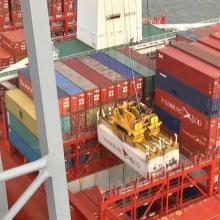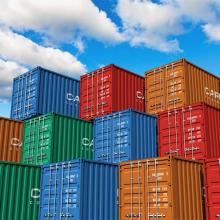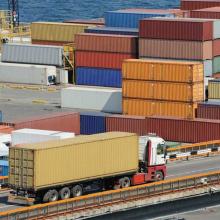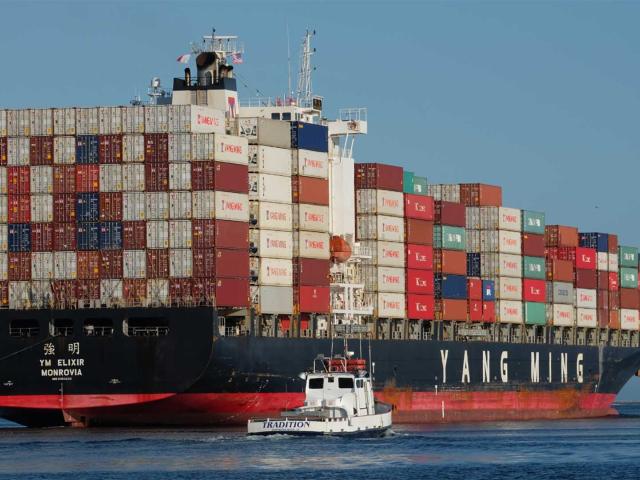
As the main method for transporting bulk goods, ocean shipping has two basic modes: Less than Container Load (LCL) and Full Container Load (FCL). The choice between these two ocean shipping methods often depends on the volume, weight, value of the cargo, and the urgency of delivery time. So, which is cheaper, LCL or FCL? The following is a cost comparison analysis of LCL and FCL sea freight.
1. Less than Container Load (LCL)
Advantages:
- Cost Flexibility: For small batches of goods, LCL can significantly reduce the unit transportation cost. As the shipping cost is shared by all cargo owners sharing the container, it is ideal for situations where the cargo volume is insufficient to fill a standard container.
- No Need to Arrange Packing Independently: LCL services usually include collection, sorting, stuffing, and subsequent unstuffing of goods, reducing the logistics burden on individual cargo owners.
Disadvantages:
- Additional Costs: Processes involved in LCL, such as handling, sorting, and customs clearance, may generate additional costs, which are ultimately reflected in the total expenses.
- Transit Time: Because it requires waiting for enough goods to fill a shared container, plus additional handling time, LCL shipping usually has a longer transport cycle.
- Potential Risks: The mixing of goods increases the risk of damage or confusion, and liability tracing is relatively complex.
2. Full Container Load (FCL)
Advantages:
- Timeliness: FCL allows direct shipping from origin to destination without waiting for consolidation, so transit time is shorter, making it suitable for time-sensitive goods.
- Safety: Goods exclusively occupy a container, reducing the risk of damage and loss, especially beneficial for high-value or fragile items.
- Cost Effectiveness: When the cargo volume is enough to fill or nearly fill a standard container, the unit cost of FCL will be lower than LCL, especially considering increased packing efficiency and reduced additional fees.
Disadvantages:
- Higher Initial Investment: For cargo owners with small volumes, paying for an entire container alone can be expensive.
- Self-responsibility for Packing: FCL usually requires the cargo owner to handle the stuffing, sealing, and necessary preparations themselves.
Cost Comparison Analysis of LCL and FCL
- Volume and Weight: If the cargo volume is large, close to or exceeding the capacity of a standard container (such as a 20ft or 40ft container), choosing FCL is more economical, as the unit transport cost decreases with higher shipment volume.
- Cost Sensitivity: For small-volume, cost-sensitive goods, LCL is an economical choice, especially when the cargo volume cannot efficiently utilize the full container space.
- Time and Safety Considerations: If there are stringent requirements for cargo safety and shipping time, even if the volume is small, one may tend to choose FCL, even if the cost is slightly higher.
In summary, determining whether LCL or FCL is cheaper requires a comprehensive assessment of the specific cargo situation, the urgency of transport needs, and the cargo owner's ability to handle costs and risks. A suitable shipping plan can be developed by consulting with professional shipping logistics companies, such as Bofeng Logistics, which has extensive experience in sea freight services and provides cost-effective logistics solutions for clients.
Bofeng Logistics National Service Hotline: 130-7567-8958
Related Logistics Services
Bofeng Logistics offers the following related services, feel free to inquire: