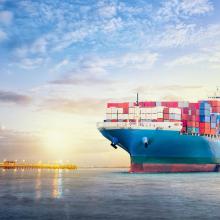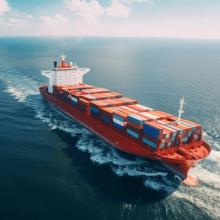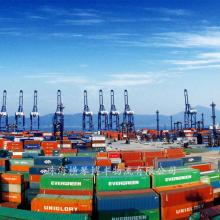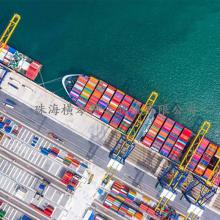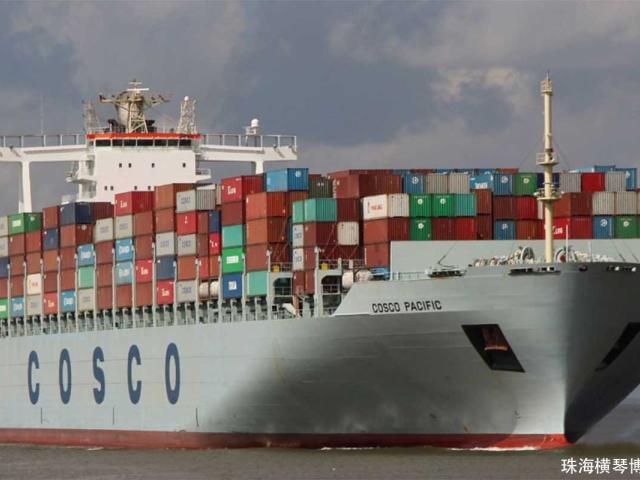
When "international shipping" comes to mind, do you picture massive container ships and a pile of complicated documents? Don't worry, this article is your "navigation chart." We'll guide you through the secrets of international shipping logistics in a professional yet easy-to-understand way, helping your cargo set sail smoothly!
Why Choose International Shipping?
In international trade, shipping is undoubtedly the top choice. There are good reasons to choose it!
Core Advantages of Shipping
- Massive Carrying Capacity: Imagine that a single ultra-large container ship can hold over 20,000 standard containers! This scale advantage is unmatched by air or land transport, making it ideal for bulk cargo.
- Unmatched Cost Efficiency: Shipping offers the best value among all transport modes. Although slower, its unit cost is extremely low, helping businesses save significantly on logistics expenses.
- Extensive Accessibility: Major ports and cities worldwide are connected by shipping networks, offering suitable routes to Europe, America, Asia, Africa, and Latin America.
When Is Shipping Most Suitable?
- When transporting bulk, heavy, or low-value goods.
- When transit time is not a strict requirement (usually takes weeks or longer).
- When shipment volume fills a full container (FCL) or can tolerate consolidation (LCL).
Unveiling the "Navigation Map" of Shipping: Key Step-by-Step Process
Now that you understand the benefits, let's see how a shipment travels across the ocean to its destination. It's like a carefully orchestrated relay race.
- Step 1: Pre-Departure Preparation
This is the starting point. Contact us for a quotation to complete booking, prepare all necessary customs declaration documents (such as invoices, packing lists, contracts, etc.), and we'll arrange trucking to load containers and deliver them to the departure port. Additionally, purchasing cargo transportation insurance is a very wise professional choice.
- Step 2: Core Port Operations
When cargo reaches the port, our professional customs team can help you perform export customs clearance. After customs release, the terminal arranges vessel loading. Those giant port cranes precisely load containers into预定 positions like Lego hands. Then, the ship sets sail!
- Step 3: Ocean Transit
This is the longest stretch of the process. During transit, you can contact us anytime to query the ship's position in real-time for peace of mind.
- Step 4: Arrival and Delivery
After the ship arrives at port, the destination terminal performs unloading. Then, the consignee (or their agent) must complete import customs clearance, pay related taxes and fees (such as duties, VAT) and destination port charges (such as THC, terminal fees, etc.). The final step is cargo pickup, transporting the goods by truck to the final destination.
Where Does Your Money Go?
Shipping costs consist of multiple components. Understanding them helps you better control your budget.
- Origin Local Charges
Usually include booking fees, documentation fees, THC (Terminal Handling Charges), customs clearance fees, etc. These are typically settled in local currency.
- Ocean Freight
This is the main freight paid to the shipping line, usually settled in USD. It fluctuates sharply based on route, cargo volume/weight, and current market supply and demand (such as peak season surcharges).
- Destination Local Charges
Include destination THC, customs broker fees, duties and taxes, inland transport fees, etc. This part is crucial; confirm clearly with the consignee before shipment who pays to avoid subsequent disputes.
Common Shipping Issues and Expert Advice
Here are some common challenges and our professional advice.
Q1: Should I choose Full Container Load (FCL) or Less than Container Load (LCL)?
Expert Advice: For volumes exceeding 15-18 cubic meters, FCL is usually more cost-effective and safer, as your cargo exclusively occupies the container, reducing handling and contact. For smaller volumes, choose LCL to share a container with other shippers and split costs.
Q2: What about schedule delays and cargo rollovers?
Expert Advice: Shipping delays stem from weather, port congestion, customs inspections, etc. "Cargo rollover" (cancelled booking due to ship overbooking) also occurs. Always build buffer time into your supply chain. Purchasing insurance is the best way to transfer risk.
International shipping logistics is a complex but fully manageable system. It is not just a tool to move goods from point A to B, but also a central bridge connecting global markets and driving business growth. We hope this guide provides you with a clear path and professional confidence.
Bofeng Logistics specializes in providing one-stop logistics services including domestic container shipping, international shipping (FCL/LCL), Hong Kong/Macau logistics lines, and trucking, customs clearance, and warehousing. Contact: 130-7567-8958 (Manager Huang). Call now for a customized quote!
Related Logistics Services
Bofeng Logistics offers the following related services, feel free to inquire: