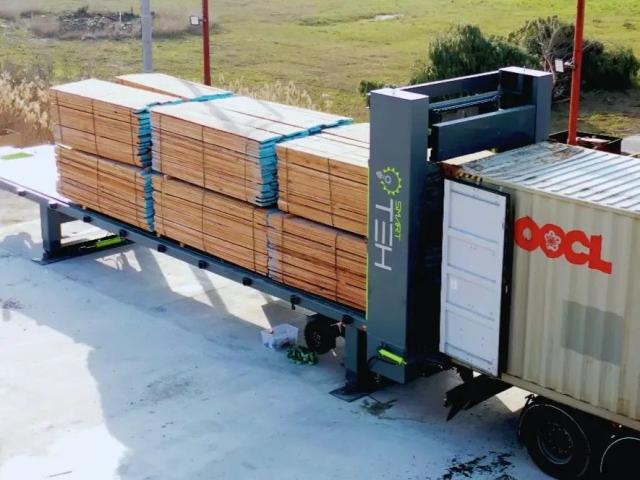
Domestic sea freight goods undergo 3-12 days of transportation at sea, enduring the triple challenges of jolting, pressure, and moisture. Improper packaging significantly increases the risk of cargo damage.
1. Packaging Requirements
Cartons
| Requirement | Standard | Reason |
|---|---|---|
| Palletizing | Standard 1.2m × 1.0m pallet | Facilitates forklift loading/unloading |
| Stretch Film | At least 4 layers | Moisture-proof, prevents collapse or spillage |
| Strapping Band | Plastic steel band, cross strapping | Anti-slip, rust-proof |
| Moisture Barrier Bag | Add moisture barrier bag inside | Sea freight humidity can reach 90%+ |
💡 Moisture Damage Risk: Moisture damage to cartons is the most common type of cargo loss in domestic sea freight. Temperature differences between day and night inside the container create condensation, and cartons placed directly on the floor are most vulnerable. Ensure pallets are at least 10cm off the floor + wrapped with stretch film.
Wooden Crates
| Requirement | Standard |
|---|---|
| Board Thickness | ≥12mm (≥15mm for heavy goods) |
| Nailing | Galvanized nails (rust-proof) |
| Internal Filling | Fill gaps with foam/bubble wrap |
| Markings | Center of gravity and lifting points |
| Rust Prevention | Apply rust preventive oil to metal parts |
Bare Shipped / Large Items
- Secured with wire rope or lashing straps, with no less than 4 lashing points
- Add rubber padding at contact points to prevent wear
- Mark the center of gravity
- Cover top with waterproof tarp
Packaging Reference Examples
| Goods Type | Recommended Packaging Plan | Damage Prevention Key Points |
|---|---|---|
| Bagged Rice (20kg/bag) | Stack on pallets + stretch film + strapping, 20 bags per pallet | Add moisture-proof board at the bottom, avoid tight contact with container walls |
| Bottled Beverages (Full Cases) | Pallet + stretch film + edge protectors, 40 cartons per pallet | Fill gaps between cartons with airbags to prevent sliding during transport |
| Machinery (Bare Shipping) | Wire rope lashing + rubber padding + waterproof tarp | No less than 4 lashing points, mark center of gravity |
| Ceramic Floor Tiles (Boxed) | Wooden crate + foam filling + shockproof labeling | Separate with foam inside each box, mark "Fragile" and stacking direction on the outside |
| Pipes/Profiles (Long Items) | Wire rope bundling + protective caps on both ends | Ensure length does not exceed container interior, secure both ends with filler |
💡 Common Packaging Mistakes: ① Directly stacking cartons without palletizing → bottom cartons collapse during transport; ② Using ordinary iron nails for wooden crates → nails rust and crates disassemble in high-humidity sea environments; ③ Only securing both ends of bare-shipped items → middle part swings and collides during transit; ④ Not filling internal voids inside packaging → items collide back and forth causing damage.
2. Insurance Advice
Should you buy insurance for domestic sea freight?
Yes, it is recommended. The risks of cargo damage, moisture damage, and theft during transportation cannot be entirely avoided.
- Premium: Typically 0.1% - 0.3% of cargo value
- Coverage Scope: Loss caused by natural disasters, accidents, and damage during loading/unloading
- Purchasing Method: Can be arranged by the logistics company
💡 For goods worth 100,000 RMB, the premium is about 100-300 RMB. If cargo damage occurs, the compensation amount far exceeds the premium cost—this is an expense worth paying.
Summary
Cargo packaging and insurance are the final two lines of defense before shipping. Put the "Pallet + Stretch Film + Filling & Securing" principle into action, and provide peace of mind with cargo insurance costing 0.1-0.3% of the value — if these two steps are correct, over 90% of cargo damage risks can be avoided.
📞 Bofeng Logistics can arrange cargo insurance on your behalf
📖 Further Reading: Container Handbook: Container Transport Insurance * (Note: Preserving original Chinese filename for link integrity)
📞 Hotline: 13075678958 | Email: info@zhbfwl.com
Related Logistics Services
Bofeng Logistics offers the following related services, feel free to inquire: