International Shipping Costs No Longer a "Maze"! A Super Practical Guide to Cross-Border Transportation Costs
Hey there, fellow cross-border traders! Every time you see a shipping quote, does it feel like solving a complex math problem? Initial shipping fees, fuel surcharges, tariffs... the list goes on, and it’s easy to fall into the pit of "hidden fees."
Don’t worry! As your professional international logistics partner, Bofeng Logistics is here today to unveil the mysteries of "international shipping costs" in the simplest way possible, so you can spend wisely and go cross-border with ease!
1. How Are International Shipping Costs Actually Calculated?
Many mistakenly believe shipping costs are just "weight x unit price," but that’s not the case. The billing method is like a "smart scale," always choosing the option most "favorable" to the carrier. Here are the two main types:
1.1 Actual Weight vs. Volumetric Weight: The Heavier One Wins!
- Actual Weight: This is the pure weight of the goods on a scale, usually in kilograms (KG).
- Volumetric Weight: This balances the difference between "cotton" and "iron." Even if goods are light, if they take up valuable space on a plane or ship, you pay accordingly.
Tip: The final "chargeable weight" for your goods is the maximum between the actual weight and volumetric weight. So, optimizing your packaging to reduce unnecessary space is the first step to saving money!
1.2 Key Modes of Transport: Air, Sea, Express - The "Price Ladder"
- Air Freight: "Speed king, premium price." Usually charged by chargeable weight in tiers, suitable for high-value, urgent goods.
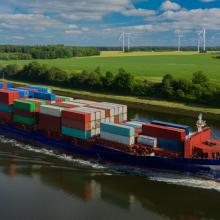
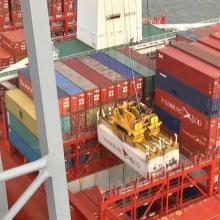
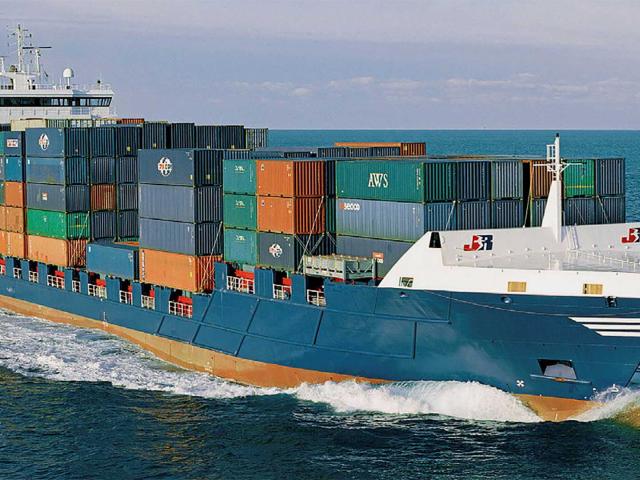
- Sea Freight: "The cost-effective option." Includes LCL (charged by volume or weight) and FCL (charged per container), ideal for bulk items, heavy goods, and non-urgent shipments.
- International Express (DHL/UPS/FedEx, etc.): "Convenient and fast, door-to-door service." Also follows the max of actual vs. volumetric weight rule, with mature billing systems but the highest unit cost. Best for small items, samples, and urgent documents.
2. What’s Included in Your Shipping Invoice?
A complete international shipping cost goes well beyond basic transport fees. It typically consists of three main parts:
2.1 Origin Local Charges
Costs incurred domestically before the goods leave the country:
- Pickup/Handling fee: Labor and equipment costs for picking up and handling goods from your warehouse.
- Customs clearance fee: Service fee for export customs clearance.
- Documentation fee: Costs for creating documents like bills of lading and invoices.
- Security fee/Fuel surcharge: These fluctuate with market oil prices, especially in air freight.
2.2 Main Haulage
This is the core part we’re discussing—the transport cost from the Chinese port/airport to the destination port/airport.
2.3 Destination Local Charges
"Last mile" costs incurred after the goods arrive abroad:
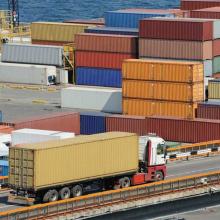
- Destination port charges: Including terminal handling fees, fees for exchanging delivery orders, etc.
- Customs/Agent brokerage fee: Costs for the local customs broker assisting with clearance.
- Duty/VAT: Levied by destination customs based on the goods' value and category. Please pay close attention to this and research it in advance!
- Delivery fee: Costs for shipping from the destination port warehouse to your specified address.
3. How to Optimize Your International Shipping Costs?
As your professional logistics advisor, we don’t just provide transport; we provide solutions. Here are some practical money-saving tips:
3.1 Packaging Optimization: "Trim the Fat" from the Start
Work with us to evaluate your packaging. Using lighter, stronger materials and avoiding "over-packaging" can effectively reduce volumetric weight and save you money.
3.2 Choose the Right Mode and Channel
- Bulk items, not urgent -> Choose Sea Freight!
- Rush small-to-medium items -> Choose Air Freight line (usually cheaper than express)!
- Very urgent small items/documents -> Choose International Express!
With our extensive channel resources, Bofeng Logistics can tailor the most cost-effective transport plan for you based on your goods’ characteristics and time requirements.
3.3 Plan Ahead and Organize Documents
Complete and accurate customs clearance documents (like commercial invoices, packing lists, and contracts) can prevent extra fees and delays from inspections or amendments at the destination port—a hidden form of "cost saving."
For any cross-border logistics inquiries, or to get a custom shipping quote for your goods, feel free to contact us anytime!
Bofeng Logistics provides comprehensive one-stop logistics services including domestic container shipping, international shipping (FCL/LCL), Hong Kong/Macau logistics lines, and trucking, customs brokerage, and warehousing.
Related Logistics Services
Bofeng Logistics offers the following related services, feel free to inquire: