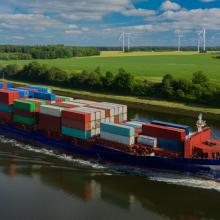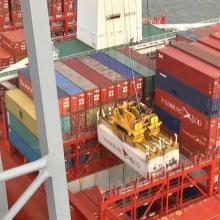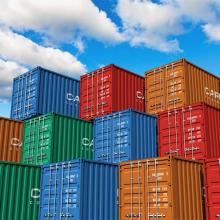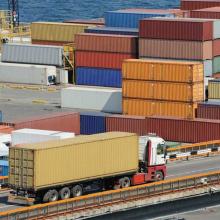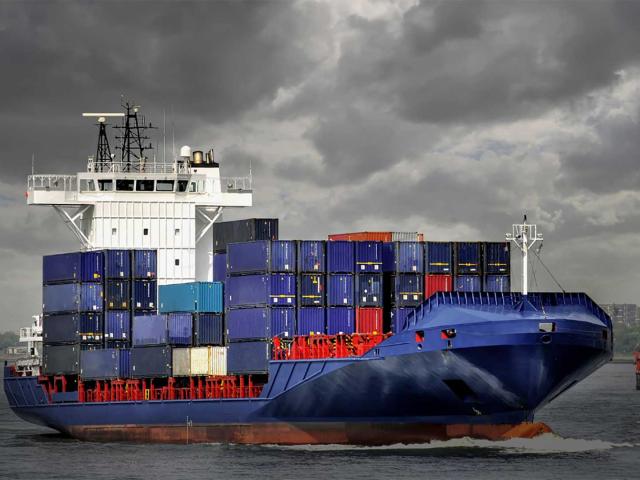
Hello, fellow foreign trade partners! Here isBofeng Logistics. When it comes to "international sea freight," does it feel complicated and headache-inducing? Don't worry, today we will explain the "Full Container Load (FCL)" to you in aprofessional yet easy-to-understand way!
Simply put, when your goods are sufficient to fill a whole container, choosing FCL transport is the best option. It's like renting an entireexclusive luxury ride for your valuable cargo, going directly from origin to destination without stops or consolidation, making it not only faster but also safer.
I. What is Full Container Load (FCL)?
Full Container Load, or FCL, means that you, as the sole shipper, occupy an entire standard container to transport your goods. Common container sizes include 20-foot dry container, 40-foot dry container, and 40-foot high cube container.
- Who is it for? Those with large cargo volumes, typically filling over15 cubic meters, or those who want their goods undisturbed by other shipments, seeking higher safety and efficiency.
FCL vs. LCL: Choose Wisely with Bofeng
How to decide between FCL and LCL?Bofeng Logistics suggests considering the following aspects:
- Cargo Volume & Exclusivity
- FCL: Your goods fill an entire or most of a container. Like hiring ataxi, with exclusive space, privacy, and no interference from others.
- LCL: Smaller cargo volumes, not enough for a full container. Like taking abus, sharing space with other shippers' goods, where waiting for consolidation and transshipment may add time.
- Cost Calculation
- FCL: Charged per container as apackage price. When cargo volume is sufficient, unit transport cost lowers.
- LCL: Freight allocated based on actual volume or weight, with additionalhandling fees for consolidation and deconsolidation. More economical for small batches.
- Transit Time & Risk
- FCL: Streamlined process—loaded and shipped directly, discharged at destination, with fewertransshipments and faster lead times. Cargodamage, moisture, or theft risk is significantly reduced.
- LCL: Requires consolidation waits and de-grouping at destination, addingmore steps and slower overall transit. Sharing space with other cargo may present crossing risks.
Bofeng Logistics' Expert Advice: If you have sufficient cargo, FCL is typically the better choice for value, safety, and efficiency. Unsure? Contact us anytime—we'll provide the best logistics solution based on your goods and budget.
II. The Complete FCL Procedure
As your reliable logistics partner,Bofeng Logistics has mapped out a clear, efficient process ensuring each step connects seamlessly:
Step 1: Inquiry & Booking — The Starting Point
Just provide:destination port, container type/size, cargo gross weight, and commodity name. Our team leverages great relationships with major lines tosecure optimal space and rates. Remember, booking1-2 weeks in advance is the first step to smooth shipping!
Step 2: Container Pick-up & Loading — Smooth Operations
After booking confirmation,Bofeng Logistics coordinates truckers to pick up empty containers and deliver them punctually to your location. Time to load! Ourloading tip: Distribute weight evenly, secure tightly, and stabilize the center of gravity—key for long sea voyages.
Step 3: Customs Declaration & Port Entry — Bofeng's Expertise
After loading and return to the terminal, comes crucialexport customs clearance. Prepare documents like packing list, invoice, contract, and cargo manifest.Bofeng Logistics has a skilled customs team ensuring compliance and efficient clearance.
Step 4: Sea Voyage & Step 5: Destination Pick-up
The cargo sets sail across the ocean! Track shipment status in real-time viaBofeng Logistics' tracking system. Upon arrival, the consignee clears customs using documents we assist with, then smoothly retrieves the goods.
III. Clear Costs: Bofeng's Breakdown of FCL Ocean Freight
Bofeng Logistics believes transparent fees build trust. FCL ocean freight mainly includes three parts:
- Basic Ocean Freight: Core transportation cost by the carrier.
- Local Charges: Includes THC, booking fee, customs charge, documentation fees, etc.Bofeng Logistics lists each item transparently, no hidden costs.
- Surcharges: Like BAF, which fluctuates with international markets; we'll clarify upfront when booking.
IV. Bofeng's "Pitfall" Avoidance Guide
Based on years of industry experience,Bofeng Logistics summarizes common traps to help smooth shipping:
- Pitfall 1: Concealing or misreporting commodity names
Extremely dangerous! Especially for sensitive goods like chemicals or batteries—must be declared! Concealment can lead to customs detention, hefty fines, or even safety incidents. Honesty is number one. - Pitfall 2: Ignoring VGM
A SOLAS mandatory requirement! Must submit VGM data officially before loading, or the container cannot be shipped. We can guide you through this. - Pitfall 3: Overweight or poor cargo stowage
Different countries and carriers have strict weight and dimension limits. Before loading,Bofeng Logistics consultants provide professional loading advice to avoid extra costs and risks.
Bofeng Logistics has many years of experience in international freight, covering global service networks and senior international sea freight companies. We offer not just rates but aone-stop, concierge logistics solution from advisory, booking, customs clearance, tracking to destination customs support.
Bofeng Logistics provides one-stop services including domestic container shipping, international FCL/LCL, Hong Kong/Macau logistics lines, and trucking, customs clearance, warehousing. Contact: 130-7567-8958 (Manager Huang), call for a customized quote now!
Related Logistics Services
Bofeng Logistics offers the following related services, feel free to inquire: