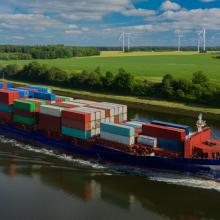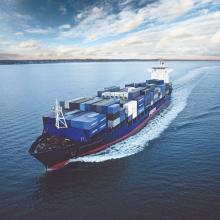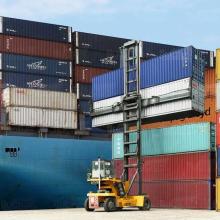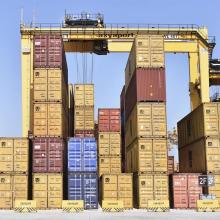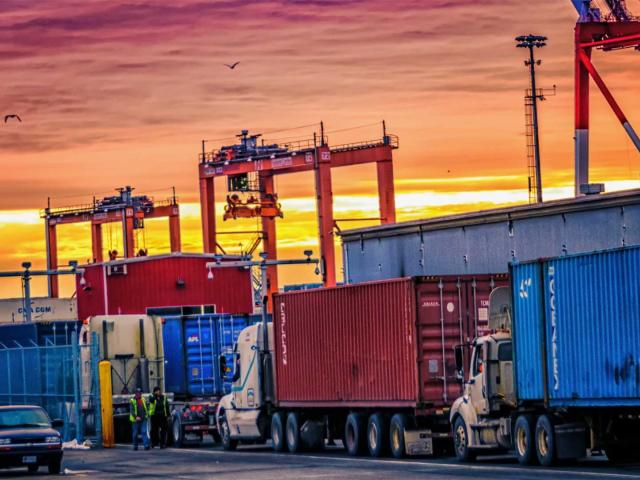
As the basic unit for loading and transporting goods, the standardization and flexibility of shipping containers play an irreplaceable role in improving transport efficiency, reducing costs, and ensuring cargo safety. The following details the dimensions, types, selection criteria, and transport procedures of international shipping containers.
I. Common Dimensions of Shipping Containers
The most common container sizes in international shipping include the following:
- 20-foot Standard Container (20GP):
- Internal dimensions: approximately 5.89m x 2.35m x 2.39m
- Weight limit: 25 tons, normal capacity: 28 cubic meters
- Suitable for lightweight or medium-volume cargo.
- 40-foot Standard Container (40GP):
- Internal dimensions: approximately 12.02m x 2.35m x 2.39m
- Weight limit: 25 tons, normal capacity: 56 cubic meters
- Suitable for bulkier or heavier cargo.
- 40-foot High Cube Container (40HQ/HC):
- Internal dimensions: approximately 12.02m x 2.35m x 2.69m
- Weight limit: 25 tons, normal capacity: 68 cubic meters
- Compared to 40GP, it provides extra height, suitable for bulky but low-density cargo.
II. Container Types
In addition to the standard dry containers above, there are several special types to meet different cargo needs:
- Reefer Container (REEFER): Used for transporting temperature-controlled perishable goods, such as food and pharmaceuticals.
- Open Top Container (OPEN TOP): The top can be opened, suitable for oversized large machinery or irregularly shaped cargo.
- Flat Rack Container (FLAT RACK): No side walls, some without tops, suitable for heavy machinery, steel, and similar cargo.
- Garment Container (GARMENT CONTAINER): Equipped with hanging rods inside, specifically for transporting clothing.
III. How to Choose the Right Container
The following factors should be considered when choosing a container:
- Cargo volume and weight: Ensure the selected container efficiently utilizes space without overloading.
- Nature of the cargo: Such as whether special temperature control or specific loading/unloading methods are required.
- Cost-effectiveness: Consider freight costs, loading efficiency, and cargo value.
- Destination port facilities: Confirm whether the destination port can handle the selected container type.
IV. International Shipping Process
The basic process of international shipping includes:
- Prepare cargo: Package according to product characteristics, and determine the container type, quantity, destination port, and shipping time.
- Book space: Entrust a freight forwarder to reserve shipping space.
- Load cargo: Entrust a freight forwarder to arrange container pickup and door-to-door loading.
- Customs clearance at domestic port: Complete export customs procedures.
- International sea transport: The cargo is loaded onto the ship for maritime transport.
- Customs clearance at destination country: Upon arrival at the destination port, handle import customs clearance.
- Delivery and dispatch: After customs clearance, deliver the cargo to the final destination.
Bofeng Logistics specializes in domestic container shipping, international shipping (FCL/LCL), Hong Kong and Macao logistics dedicated lines, as well as trailer, customs clearance, and warehousing one-stop logistics services. Contact: 130-7567-8958 (Manager Huang), call now for a customized quote!
Related Logistics Services
Bofeng Logistics offers the following related services, feel free to inquire: