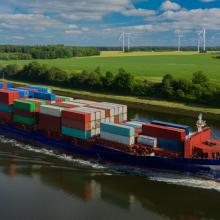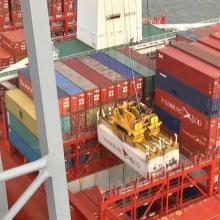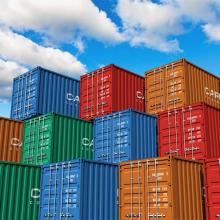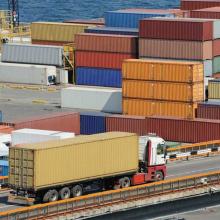
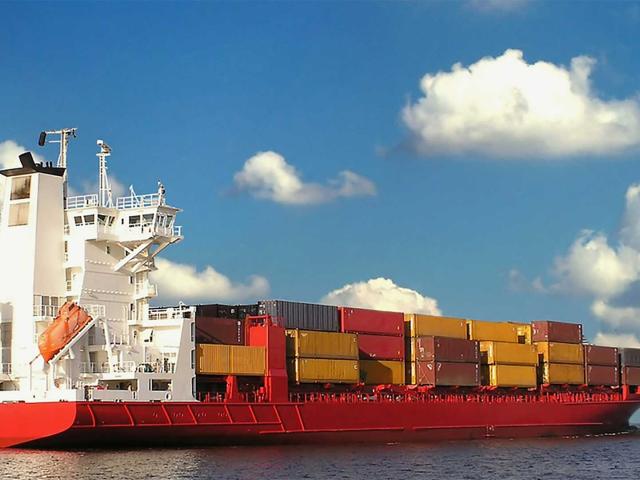
International sea moving is one of the main modes of transportation for long-distance cross-border relocation. What are the standard requirements for international sea moving? Below is an introduction to the entire process from preliminary preparation to successful delivery, as well as the main standards and requirements for international sea moving.
1. Pre-move Planning and Research
- Understand Destination Country Regulations: Before starting to pack, first thoroughly understand the destination country's import policies, duty-free allowances, and lists of prohibited items. Different countries have different restrictions and requirements for importing personal effects, such as requiring proof of residence, work permits, or completion of specific customs clearance procedures.
- Choose a Moving Company: Selecting a reputable and experienced international shipping logistics company is crucial. Consider the company's certifications, service reviews, quote transparency, and whether it offers door-to-door service and insurance options. Screening can be done by checking customer reviews, consulting past clients, or referring to industry reports.
- Obtain Quotes and Contracts: Request quotations from multiple moving companies and compare service content and prices. Ensure the contract details all fees and service scope, including but not limited to packing fees, transportation fees, insurance premiums, destination port charges, and any possible additional costs.
2. Prepare Necessary Documents
- Bill of Lading: The official transport document issued by the logistics company, used to prove ownership and shipping details of the items.
- Packing List: A detailed list of all shipped items, useful for customs clearance and as a basis for insurance claims.
- Invoice: Proves the value of the items and is critical for customs clearance and value declaration.
- Other Specific Documents: Depending on the destination country's requirements, certificates of origin, quarantine certificates, etc., may also be needed.
3. Packing and Loading of Items
- Prohibited and Restricted Items: Confirm which items cannot be transported, such as dangerous goods and contraband, and comply with relevant regulations.
- Proper Packing: Use professional packing materials, specially mark and protect fragile and valuable items, and use sturdy materials suitable for long sea voyages, such as double-corrugated cardboard boxes or wooden crates, to prevent breakage, moisture, or contamination.
- Item Inventory: Create a detailed inventory for easy tracking and counting, as well as for insurance and customs clearance preparation.
4. Shipping Methods
- Full Container Load (FCL): Suitable for large moves, renting an entire container.
- Less than Container Load (LCL): Suitable for smaller quantities, sharing container space with other users' goods, costs less.
5. Customs Clearance and Delivery
- Advance Preparation: Before arriving in the new country, contact a freight forwarder in advance to handle customs clearance and submit required documents.
- Customs Duties and Taxes: Inquire whether customs duties need to be paid and any duty-free allowances. Depending on the value of the items and the destination country's policies, corresponding taxes may need to be paid.
- Delivery Arrangement: Confirm the delivery address and time after the items arrive, ensuring someone is available to receive and inspect them.
Bofeng Logistics specializes in providing one-stop logistics services including domestic container shipping, international shipping (FCL/LCL), Hong Kong and Macau logistics routes, as well as trucking, customs declaration, and warehousing. Contact number: 130-7567-8958 (Manager Huang). Call now for a personalized quote!
Related Logistics Services
Bofeng Logistics offers the following related services, feel free to inquire: